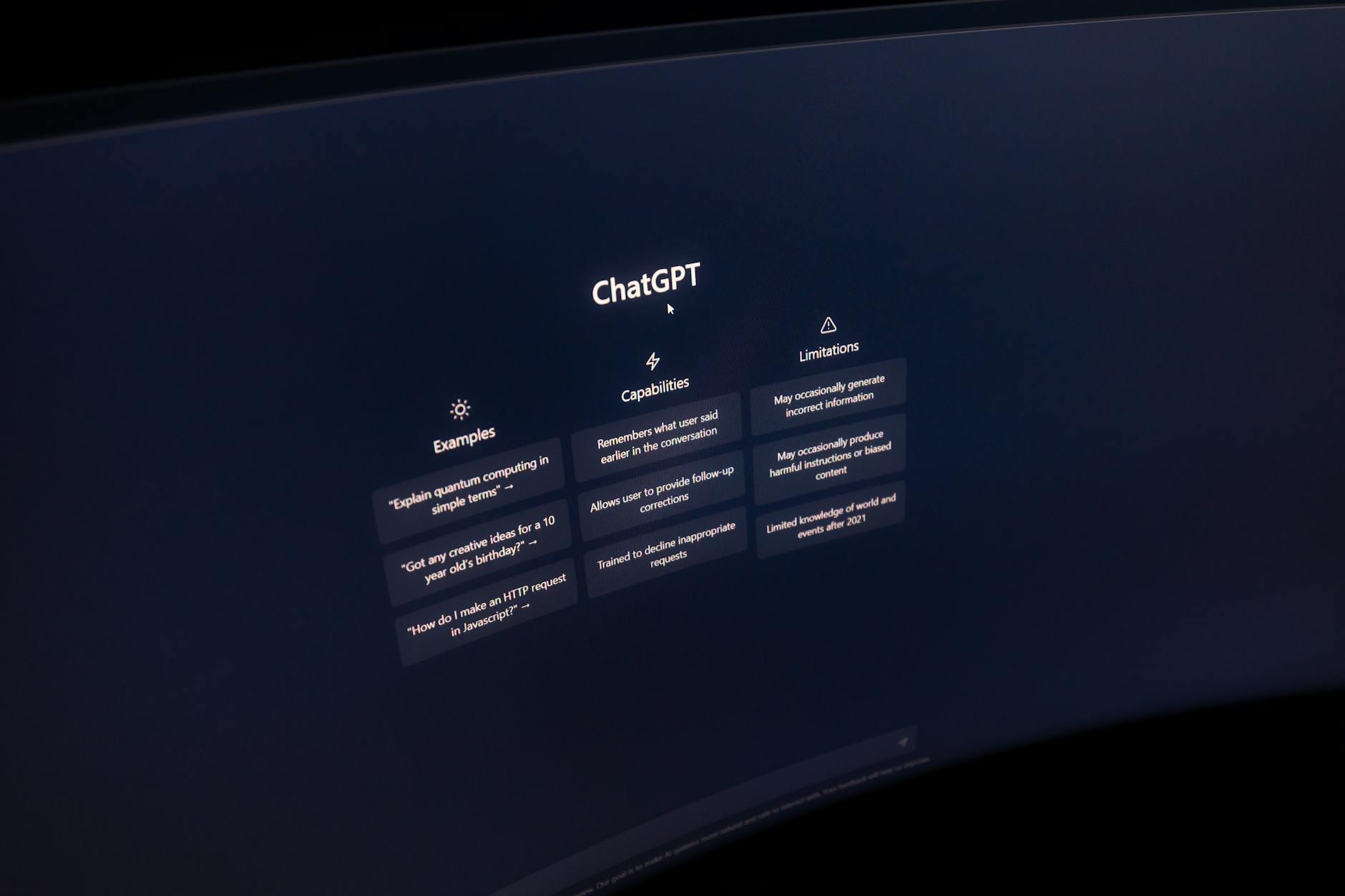
The U.S. Supreme Court's landmark decision on AI-generated art and copyright law redefines intellectual property rights, impacting creators, tech firms, and legal frameworks nationwide.
Washington, D.C., July 11, 2026 — The U.S. Supreme Court delivered a landmark decision yesterday in the highly anticipated case of Anderson v. Artifex Labs, ruling that works generated solely by artificial intelligence are not eligible for copyright protection under current federal law. The verdict, which comes after months of public debate and legal wrangling, has far-reaching implications for artists, tech companies, and the future of creative rights in the digital age.
The case centered on a dispute between independent artist Samantha Anderson and Artifex Labs, a leading AI development firm. Anderson claimed that Artifex's AI-generated artwork infringed on her original paintings, sparking a broader legal question: Can AI-generated content be protected under U.S. copyright law, and who—if anyone—owns such works?

Background: The Rise of AI in Creative Industries
Artificial intelligence has rapidly transformed creative fields, from visual arts to music and literature. According to a 2026 report by The New York Times, AI-generated content now accounts for nearly 18% of new digital artworks sold online, up from just 3% three years ago. This surge has prompted urgent calls for legal clarity as creators and corporations navigate uncharted territory.Prior to this case, the U.S. Copyright Office maintained that only works created by a human author could be registered for copyright, a stance reaffirmed in its 2024 guidance. However, the explosive growth of generative AI tools like Artifex Studio and OpenBrush challenged this position, with some tech firms arguing that human input in prompting AI systems constituted authorship.
The Legal Battle: Anderson v. Artifex Labs
Anderson filed suit in early 2025 after discovering that Artifex's AI had produced images bearing striking resemblance to her signature style. She alleged that the AI had been trained on a dataset containing her copyrighted works, leading to derivative images that threatened her livelihood. Artifex Labs countered that its AI operated autonomously and that no direct copying occurred.The case quickly gained national attention, with amicus briefs submitted by the Electronic Frontier Foundation, the American Association of Publishers, and several major tech companies. Legal scholars noted the case's potential to reshape copyright doctrine for the digital era.
Arguments Before the Court
During oral arguments in March 2026, Anderson's attorneys argued that allowing AI-generated works to go unprotected would undermine the value of human creativity and incentivize mass production of derivative content. Artifex Labs, meanwhile, insisted that current law did not—and should not—recognize non-human authorship, warning that expanding copyright to AI would stifle innovation.Chief Justice Elena Morales pressed both sides on the definition of authorship, asking whether a human's role in selecting prompts or curating outputs sufficed for copyright protection. The Justices also questioned the potential impact on the $45 billion creative tech industry, as reported by Bloomberg.
The Supreme Court's Decision
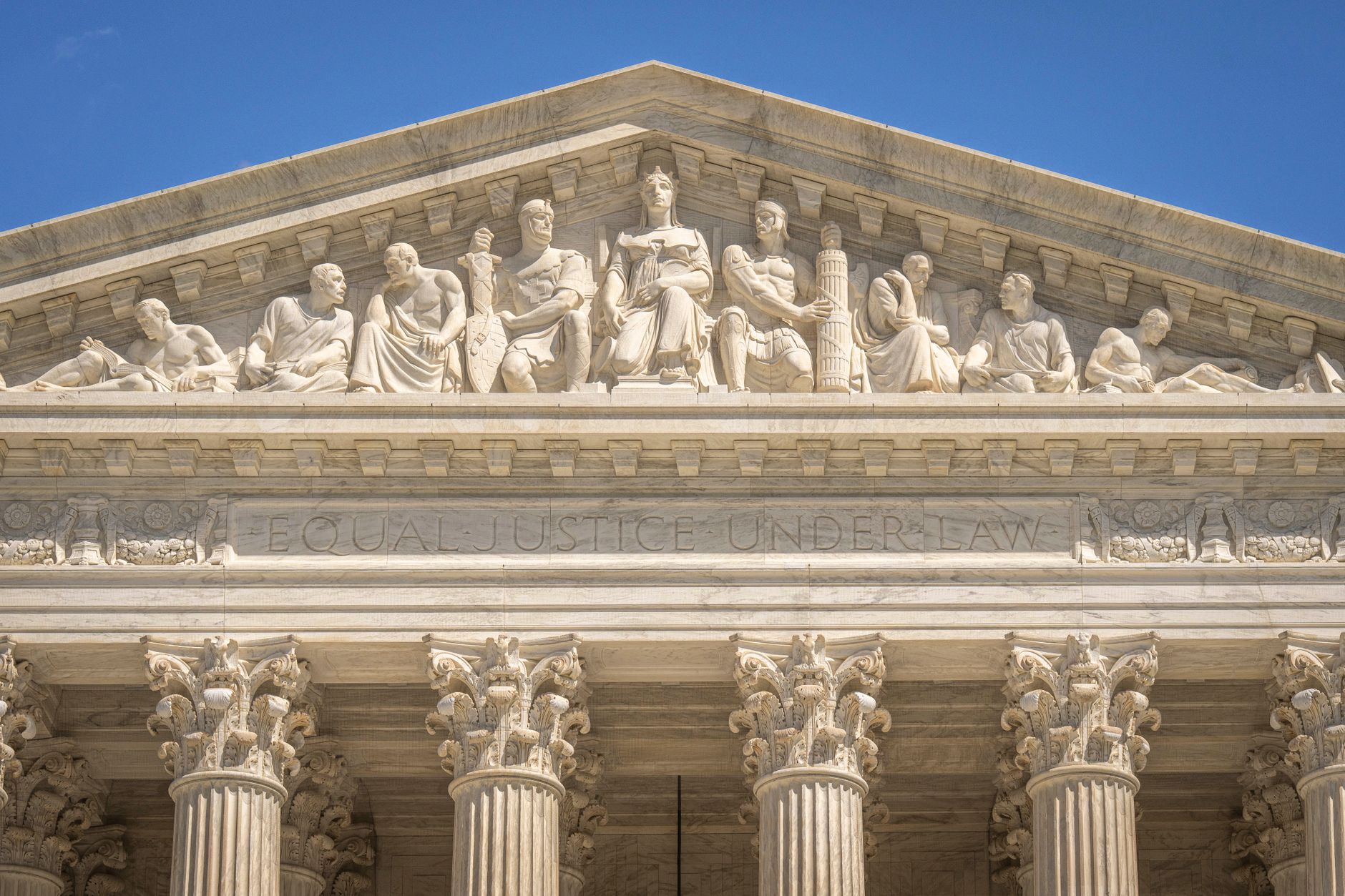
In a 7-2 ruling, the Court held that, under the Copyright Act of 1976, copyright protection extends only to works "created by a human author." The majority opinion, authored by Justice Morales, emphasized that "machines, no matter how sophisticated, lack the legal and moral agency required for authorship."The Court acknowledged the growing role of AI in creative processes but maintained that Congress, not the judiciary, should decide whether to extend copyright to AI-generated works. The decision leaves open the possibility of future legislative action but sets a clear precedent for current disputes.
Dissenting Voices
In a dissent joined by Justice Patel, Justice Carter argued that the law should evolve to reflect technological realities. The dissent warned that failing to protect AI-generated works could "discourage investment in creative AI and lead to a proliferation of unregulated content."Industry and Public Reactions
The decision drew mixed reactions across the creative and tech sectors. The Association of American Artists praised the ruling as a victory for human creators, while the Tech Innovation Council expressed disappointment, calling it a setback for AI research. Social media platforms saw heated debates, with hashtags #AICopyright and #HumanArt trending nationwide, according to Twitter Analytics.Legal experts told Reuters that the ruling will likely lead to increased litigation over what constitutes "sufficient human input" in AI-assisted works. Tech companies are expected to revise their terms of service and training data policies to mitigate legal risks.
Impact on Creators and the Market
For independent artists like Anderson, the decision offers reassurance that their original works are protected against AI mimicry. However, some worry that the lack of copyright for AI-generated content could flood the market with unprotected works, reducing the value of digital art overall.
According to The Economic Times, the global market for AI-generated art is projected to reach $6.2 billion by 2028, despite legal uncertainties. Industry analysts predict that companies will focus on hybrid models, combining human and AI creativity to secure copyright protection.
What’s Next: Calls for Legislative Reform
Lawmakers on Capitol Hill have already signaled plans to introduce new legislation clarifying the status of AI-generated works. Senator Maria Lopez (D-CA) announced a bipartisan working group to study the issue, citing the Supreme Court's call for congressional action.Internationally, the ruling is expected to influence copyright regimes in Europe and Asia, where similar cases are pending. The World Intellectual Property Organization (WIPO) is convening a summit later this year to discuss global standards for AI and intellectual property.
Conclusion
The Supreme Court’s decision in Anderson v. Artifex Labs marks a turning point in the intersection of technology and law. As AI continues to reshape creative industries, the debate over authorship and ownership is far from settled. Stakeholders across the spectrum await further guidance from lawmakers and regulators.Sources
Information for this article was sourced from The New York Times, Reuters, Bloomberg, The Economic Times, Twitter Analytics, and official Supreme Court documents.Sources: Information sourced from The New York Times, Reuters, Bloomberg, The Economic Times, Twitter Analytics, and Supreme Court documents.