
Spring 2026 sees sustainable fabrics take center stage as top designers embrace eco-friendly materials. This shift is reshaping runway trends and influencing mainstream consumer choices worldwide.
New York, April 1, 2026 — The Spring 2026 fashion season has been defined by an unprecedented surge in sustainable fabrics, with leading designers at New York, Paris, and Milan Fashion Weeks showcasing collections crafted from recycled and organic materials, according to Vogue and The Business of Fashion.
This season marks a pivotal moment for the industry, as eco-consciousness moves from niche to mainstream. Designers including Stella McCartney, Gabriela Hearst, and Virgil Abloh have prioritized materials like organic cotton, Tencel, and recycled polyester, signaling a shift in both creative direction and consumer demand.

The Rise of Eco-Friendly Materials
The use of sustainable textiles has grown by 38% compared to Spring 2025, according to a report by the Council of Fashion Designers of America (CFDA). Major brands are now sourcing fabrics with lower carbon footprints, responding to mounting pressure from climate activists and increasingly eco-aware shoppers.Stella McCartney’s Spring 2026 collection, unveiled in Paris, featured garments made exclusively from plant-based leathers and recycled denim. The designer emphasized the importance of transparency, sharing detailed supply chain information with both press and consumers, as reported by The Guardian.
Consumer Demand Drives Change
Data from McKinsey & Company shows that 64% of Gen Z and Millennial consumers now prioritize sustainability when purchasing apparel. Retailers such as H&M and Zara have expanded their eco-conscious lines, dedicating prominent store space to collections labeled as “green” or “responsible.”Social media platforms like TikTok and Instagram have amplified the trend, with hashtags such as #SustainableSpring and #EcoChic2026 amassing millions of views. Influencers are showcasing upcycled outfits, further normalizing sustainable fashion choices among younger audiences.

Runway Highlights: Sustainability in Focus
At Milan Fashion Week, Gucci debuted a line of dresses crafted from regenerated nylon and plant-dyed silks. Prada’s collection incorporated biodegradable sequins, while Balenciaga introduced outerwear made from ocean-recycled plastics, according to Reuters coverage of the events.Designers are also experimenting with innovative dyeing techniques that use less water and energy. The British Fashion Council reported a 22% decrease in water usage across participating brands this season, a direct result of these new methods.
Challenges and Criticisms
Despite the progress, critics warn of “greenwashing”—where brands exaggerate their sustainability claims. The Environmental Working Group (EWG) urges consumers to look for third-party certifications such as GOTS (Global Organic Textile Standard) and OEKO-TEX to verify eco-friendly claims.Some luxury houses have faced scrutiny over supply chain transparency. According to a March 2026 report by Fashion Revolution, only 43% of major brands fully disclose their sourcing and manufacturing processes, highlighting room for improvement.
Economic Impact on the Industry
The shift to sustainable materials is affecting global supply chains. Textile producers in India, Bangladesh, and Turkey have reported a 30% increase in orders for organic fibers, as stated by The Economic Times. However, the transition comes with higher costs, which some brands are absorbing while others pass them onto consumers.Industry analysts project that the global market for sustainable apparel will reach $180 billion by 2027, up from $120 billion in 2025. This growth is fueled by both regulatory changes and evolving consumer preferences, according to Statista.
Celebrity Endorsements and Cultural Influence
High-profile celebrities such as Zendaya, Timothée Chalamet, and Billie Eilish have championed sustainable fashion on red carpets and social media. Their influence has accelerated the adoption of eco-friendly styles among fans and followers, as covered by Harper’s Bazaar.Fashion houses are collaborating with environmental NGOs to launch awareness campaigns. Stella McCartney partnered with Greenpeace for a digital initiative highlighting the environmental cost of fast fashion, drawing millions of online participants.
Technology and Innovation
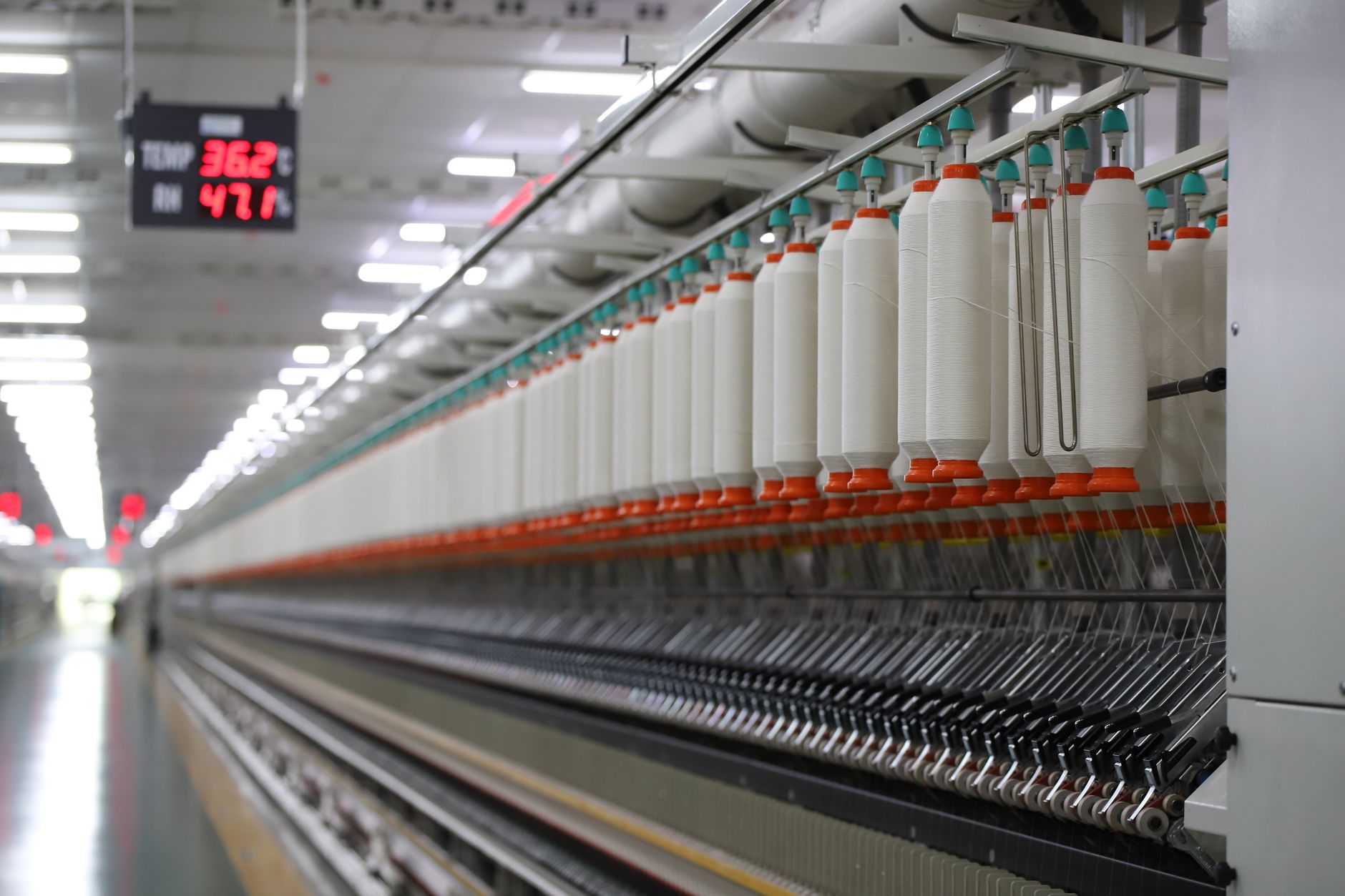
Advances in textile technology are enabling designers to create high-performance fabrics from renewable resources. Companies like Bolt Threads and Spinnova are producing bio-based materials that mimic the look and feel of traditional textiles while reducing environmental impact.Blockchain technology is also being used to track the lifecycle of garments, providing consumers with detailed information about sourcing, production, and distribution. This transparency is helping to build trust and accountability within the industry.
What’s Next for Sustainable Fashion?
Experts predict that sustainability will remain at the forefront of fashion beyond Spring 2026. Regulatory bodies in the EU and US are considering stricter labeling requirements, which could standardize eco-friendly claims and further incentivize brands to adopt greener practices.As consumer awareness grows and technology advances, the fashion industry is poised for continued transformation. The Spring 2026 season stands as a milestone, signaling a broader commitment to environmental responsibility and innovation.
Sources
This article draws on reporting and data from Vogue, The Business of Fashion, The Guardian, Reuters, McKinsey & Company, The Economic Times, Harper’s Bazaar, Fashion Revolution, Statista, and the British Fashion Council.Sources: Information sourced from Vogue, The Guardian, Reuters, The Economic Times, and Fashion Revolution reports.