
Spring 2026 fashion is defined by a surge in sustainable fabrics, with designers and retailers embracing eco-friendly materials and ethical production, reshaping consumer expectations and industry standards.
Eco-friendly materials have taken center stage in Spring 2026 fashion, as leading designers and retailers worldwide unveil collections prioritizing sustainability and ethical sourcing, according to Vogue and The Business of Fashion.
The Spring 2026 season marks a pivotal shift in the global fashion industry. Sustainability, once a niche concern, is now the defining force behind mainstream trends. Major brands and emerging designers alike are showcasing garments crafted from organic cotton, recycled polyester, and innovative plant-based fibers.

According to The Business of Fashion, over 60% of collections at Paris, Milan, and New York Fashion Weeks this season featured sustainable fabrics. This surge is fueled by consumer demand for transparency and environmental responsibility.
Background: Sustainability’s Rise in Fashion
Sustainability has been gaining traction in fashion for years, but 2026 marks an inflection point. In 2023, a McKinsey report projected that sustainable apparel would account for 40% of the global market by 2026. This prediction is now materializing, as brands respond to both regulatory pressures and shifting consumer values.
The European Union’s Green Deal and new U.S. legislation on textile waste have accelerated the adoption of eco-friendly practices. According to Reuters, these policies incentivize companies to invest in circular production models and biodegradable materials.
Key Designers Leading the Trend

Stella McCartney, a pioneer in sustainable luxury, debuted a Spring 2026 collection made entirely from regenerative cotton and mushroom-based leather. Gucci and Prada also unveiled lines utilizing recycled nylon and hemp blends, as reported by Vogue.
Emerging labels like Mara Hoffman and Pangaia are gaining global attention for their innovative use of seaweed fiber and pineapple leather. These materials offer lower environmental footprints and unique textures, appealing to both eco-conscious and fashion-forward consumers.
Retailers and Supply Chain Transformation
Fast fashion retailers are also adapting. H&M and Zara have pledged that 80% of their Spring 2026 collections will use certified sustainable fabrics, according to company press releases. This move is part of broader efforts to reduce water usage and carbon emissions across the supply chain.
Data from the Sustainable Apparel Coalition shows a 35% increase in brands adopting Life Cycle Assessment tools to measure garment impact. This transparency is becoming a key selling point, with QR codes on clothing tags linking to detailed sourcing and production information.
Consumer Response and Market Impact
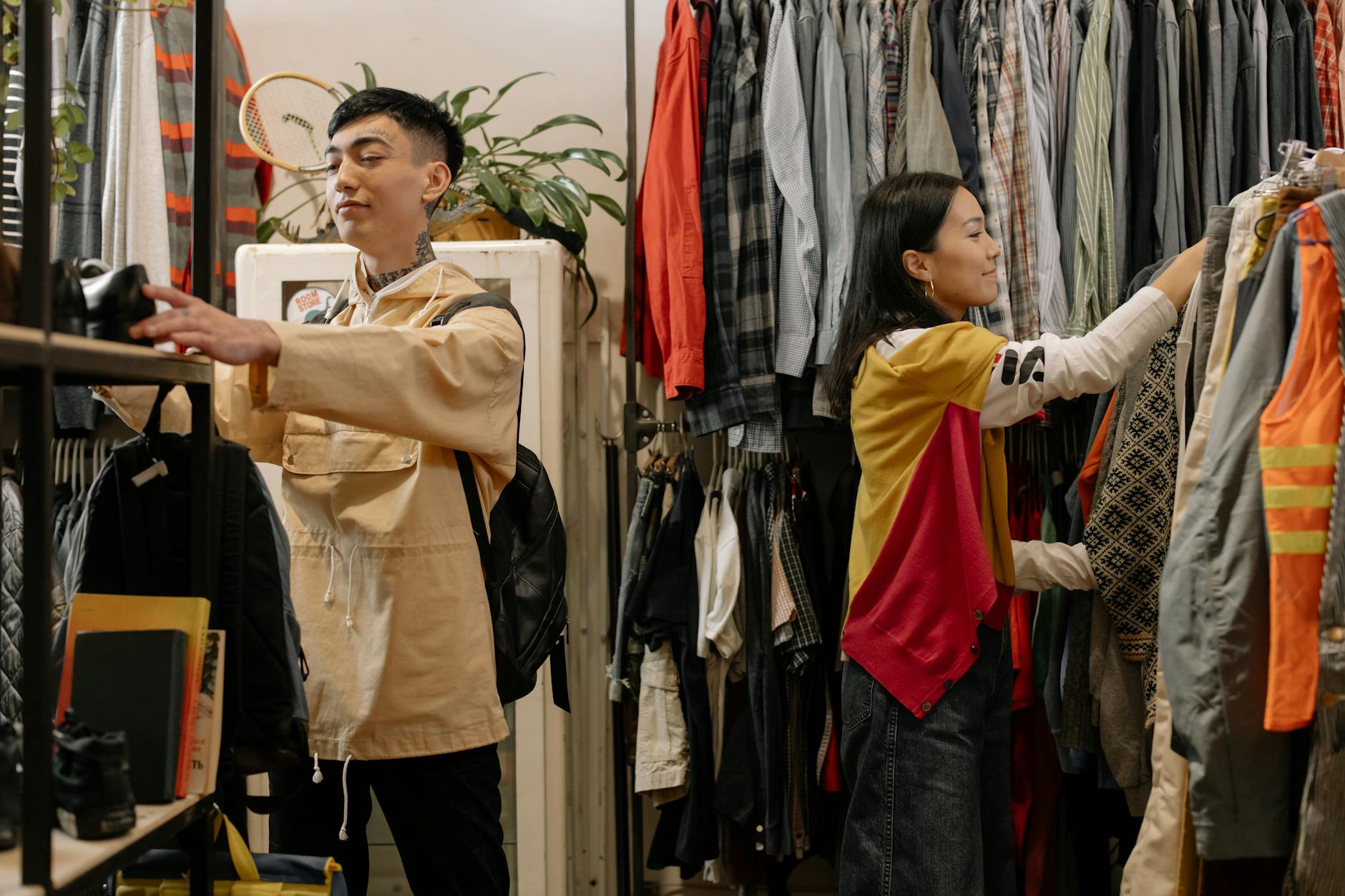
A recent survey by The Fashion Retail Academy found that 72% of Gen Z shoppers in the U.S. and Europe prefer brands with clear sustainability credentials. Sales of eco-friendly apparel have risen 28% year-over-year, outpacing conventional fashion growth rates.
Social media platforms like TikTok and Instagram are amplifying the trend. Influencers and celebrities are promoting upcycled looks, vintage shopping, and slow fashion challenges, driving awareness and shaping consumer behavior.
Challenges and Criticisms
Despite progress, critics warn of 'greenwashing'—where brands exaggerate sustainability claims. The Environmental Working Group has called for stricter standards and third-party certifications to ensure genuine eco-friendly practices.
Cost remains a barrier for some consumers. Sustainable materials often carry higher price tags due to limited supply and complex production processes. Industry leaders are investing in scaling up manufacturing to make eco-chic fashion more accessible.
What’s Next for Sustainable Fashion?
Looking ahead, experts predict that bioengineered fabrics and closed-loop recycling will define the next wave of innovation. The Ellen MacArthur Foundation reports that partnerships between tech startups and fashion houses are accelerating the development of fully circular garments.
As the Spring 2026 season unfolds, sustainable fashion is not just a trend but a new industry standard. With regulatory support, consumer demand, and technological advances, eco-friendly materials are set to remain at the forefront of global style.
Sources
References for this article include Vogue, The Business of Fashion, Reuters, McKinsey, The Fashion Retail Academy, Sustainable Apparel Coalition, The Ellen MacArthur Foundation, and Environmental Working Group reports.
Sources: Information sourced from Vogue, The Business of Fashion, Reuters, McKinsey, and reports by The Ellen MacArthur Foundation and Environmental Working Group.