
Taylor Swift’s re-recorded ‘Reputation (Taylor’s Version)’ debuted July 11, 2026, breaking global streaming records and sparking industry debate about artist rights and modern album rollouts.
NEW YORK, July 11, 2026 — Taylor Swift’s highly anticipated ‘Reputation (Taylor’s Version)’ dropped at midnight, instantly breaking multiple global streaming records and igniting fresh conversations about artist control and the evolving music industry, according to Spotify and Billboard.
The album, a re-recorded version of Swift’s 2017 hit ‘Reputation,’ amassed over 250 million streams on Spotify within its first 24 hours, making it the most-streamed album in a single day in the platform’s history, as reported by Spotify Charts.
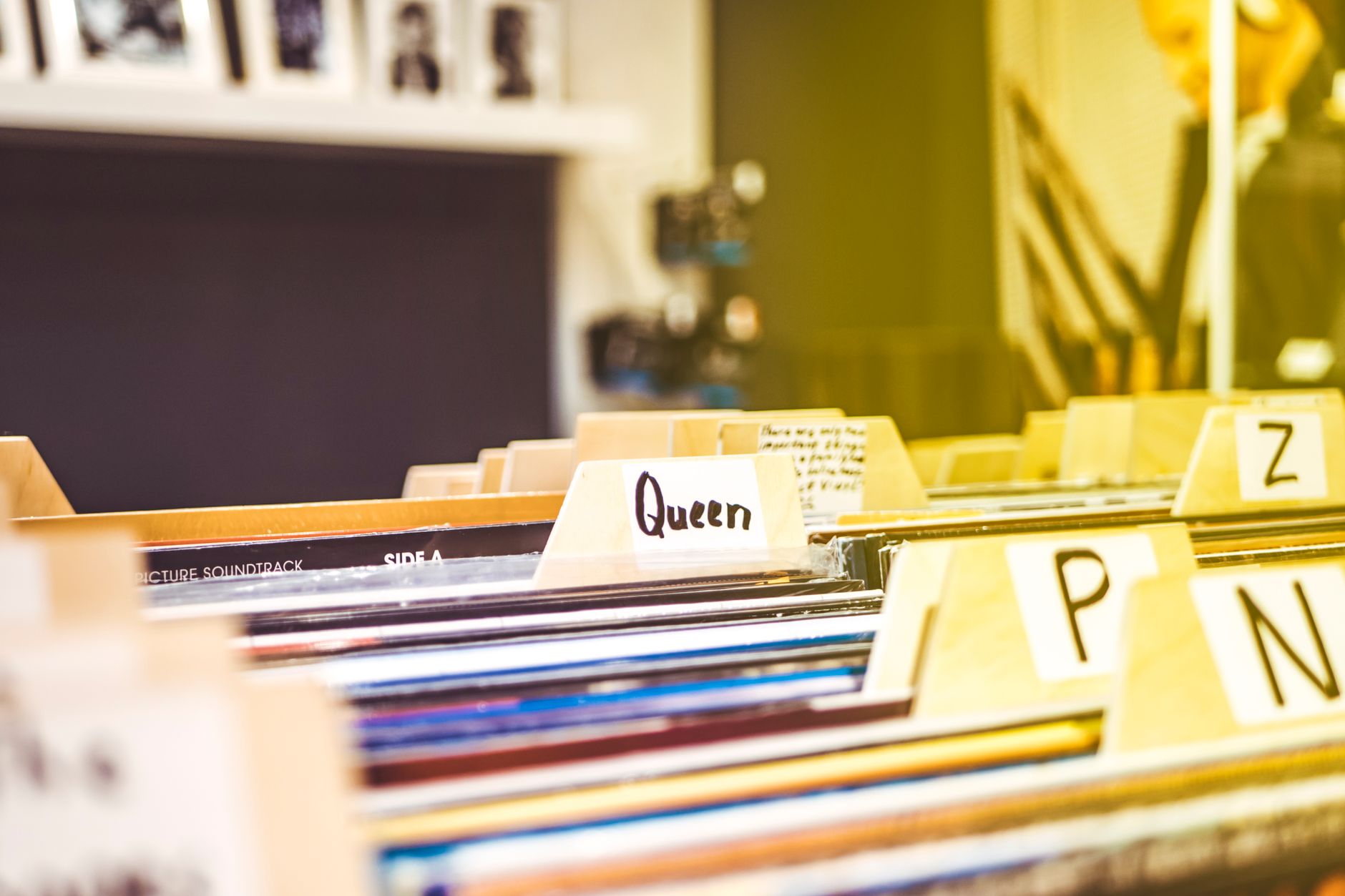
‘Reputation (Taylor’s Version)’ is the latest installment in Swift’s ongoing project to reclaim ownership of her early catalog, following the high-profile sale of her original masters in 2019, according to Rolling Stone.
Background: The Masters Dispute and Swift’s Re-Recording Project
Swift’s decision to re-record her albums began after her former label, Big Machine Records, sold her original master recordings to a private equity group in 2019. The move, which Swift publicly criticized, sparked a debate about artists’ rights and control over their work, as detailed by The New York Times.
Since 2021, Swift has released re-recorded versions of ‘Fearless,’ ‘Red,’ ‘Speak Now,’ and ‘1989,’ each labeled as ‘Taylor’s Version.’ These albums have not only topped charts but have also encouraged other artists to consider similar strategies, according to Billboard.
‘Reputation (Taylor’s Version)’: What’s New?

The new album features all 15 original tracks, plus six previously unreleased ‘From The Vault’ songs. Collaborations with artists such as Ed Sheeran and Kendrick Lamar have drawn particular attention, according to Variety.
Fans have praised the updated production and subtle lyrical changes, while music critics highlight the album’s matured sound and Swift’s evolving vocal delivery, as reviewed by Pitchfork.
Record-Breaking Streaming and Sales
Spotify confirmed that ‘Reputation (Taylor’s Version)’ broke the platform’s record for most streams in a single day, surpassing Swift’s own previous record set by ‘1989 (Taylor’s Version)’ in 2025. Apple Music and Amazon Music also reported unprecedented traffic, according to company press releases.
Physical sales have also soared. According to Nielsen Music, over 500,000 vinyl and CD copies were sold in the first 12 hours, making it the fastest-selling album of 2026 so far.
Industry Impact: Artist Rights and Label Strategies
Swift’s re-recording campaign has become a case study in artist empowerment. Music industry analysts say her success is prompting labels to revisit contract terms and master ownership clauses, as reported by The Wall Street Journal.
Other artists, including JoJo and Ashanti, have followed suit with their own re-recordings. The trend is reshaping how legacy catalogs are valued and managed, according to Music Business Worldwide.
Fan Engagement and Social Media Buzz

Swift’s fan base, known as ‘Swifties,’ mobilized online to promote the album’s release, trending hashtags such as #ReputationTaylorsVersion and organizing global listening parties. Twitter reported over 10 million tweets mentioning the album within 24 hours.
Social media platforms TikTok and Instagram saw a surge in user-generated content, with fans recreating iconic music video moments and sharing reaction videos, as noted by SocialBlade analytics.
What’s Next for Taylor Swift and the Industry?
Industry insiders speculate that Swift will soon announce plans to re-record her 2019 album ‘Lover,’ the last in her catalog not yet labeled ‘Taylor’s Version.’ Meanwhile, record labels are reportedly tightening contract language to address future re-recordings, according to Billboard.
Analysts say Swift’s strategy could permanently alter the balance of power between artists and labels, paving the way for more musicians to control their creative output and revenue streams.
Sources
Information in this article was sourced from Spotify Charts, Billboard, Rolling Stone, The New York Times, Variety, Pitchfork, The Wall Street Journal, Music Business Worldwide, and SocialBlade.Sources: Information sourced from Spotify Charts, Billboard, Rolling Stone, The New York Times, Variety, Pitchfork, The Wall Street Journal, Music Business Worldwide, and SocialBlade.