
Major tech companies are redesigning offices with minimalist principles, citing increased productivity and well-being. Experts and employees weigh in on the trend's impact and future in workplace culture.
Silicon Valley, July 22, 2026 — Leading technology firms including Google, Meta, and Salesforce are overhauling their office environments with minimalist designs, responding to new studies linking decluttered spaces to higher productivity and employee satisfaction, according to The Wall Street Journal.
The shift comes as companies adapt to hybrid work models post-pandemic, seeking to maximize in-person collaboration while minimizing distractions. Open, clutter-free layouts and pared-down décor are replacing traditional cubicles and busy workstations.
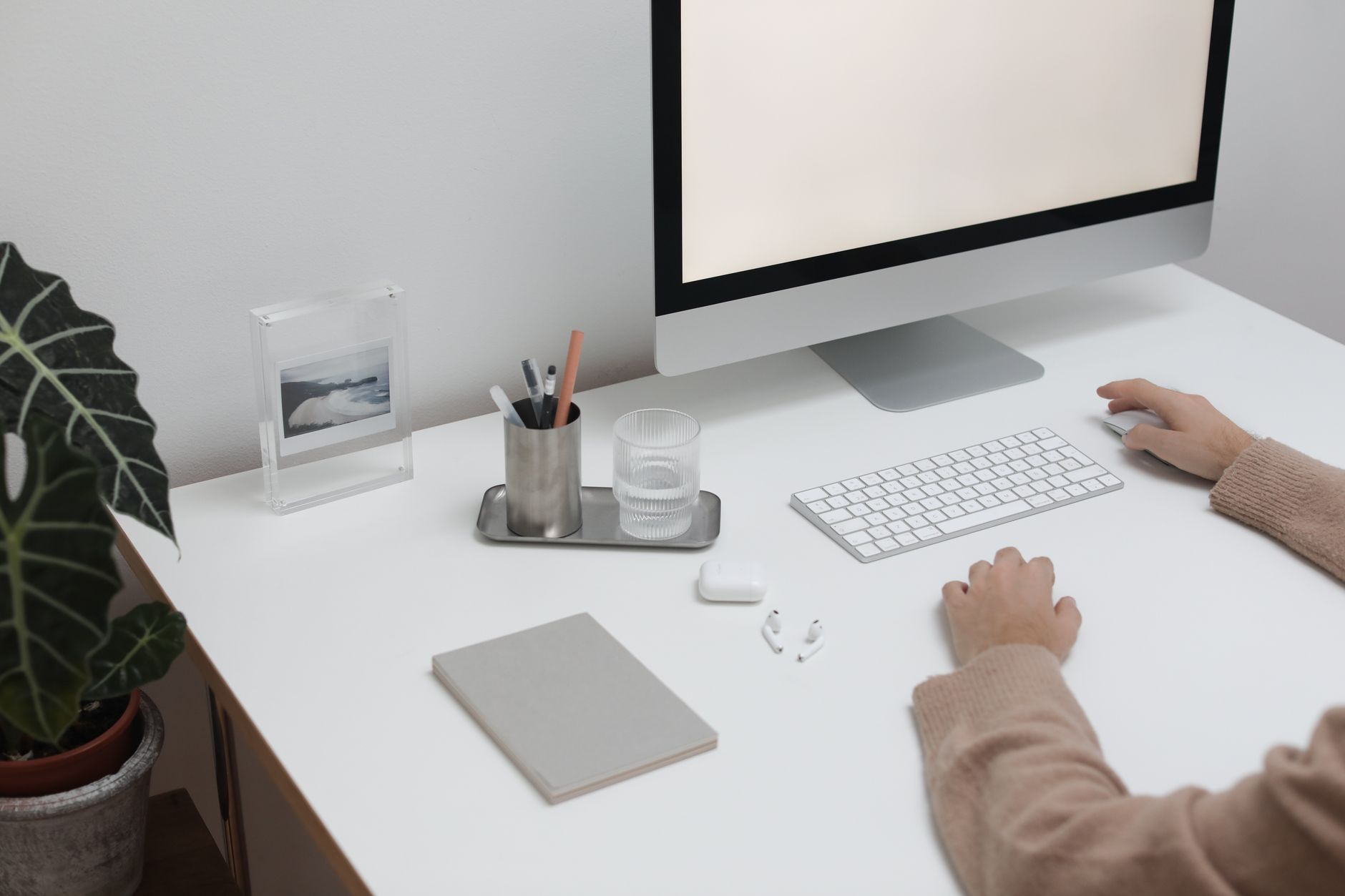
Background: The Minimalism Movement in Workspaces
Minimalism has long influenced home design, but its adoption in corporate America accelerated after the COVID-19 pandemic. According to The New York Times, remote work forced employees to reassess their environments, sparking interest in simplicity and intentionality.In early 2026, a Stanford University study found that employees working in minimalist offices reported a 23% increase in focus and a 17% reduction in reported stress levels. These findings prompted several tech giants to pilot minimalist redesigns across their campuses.
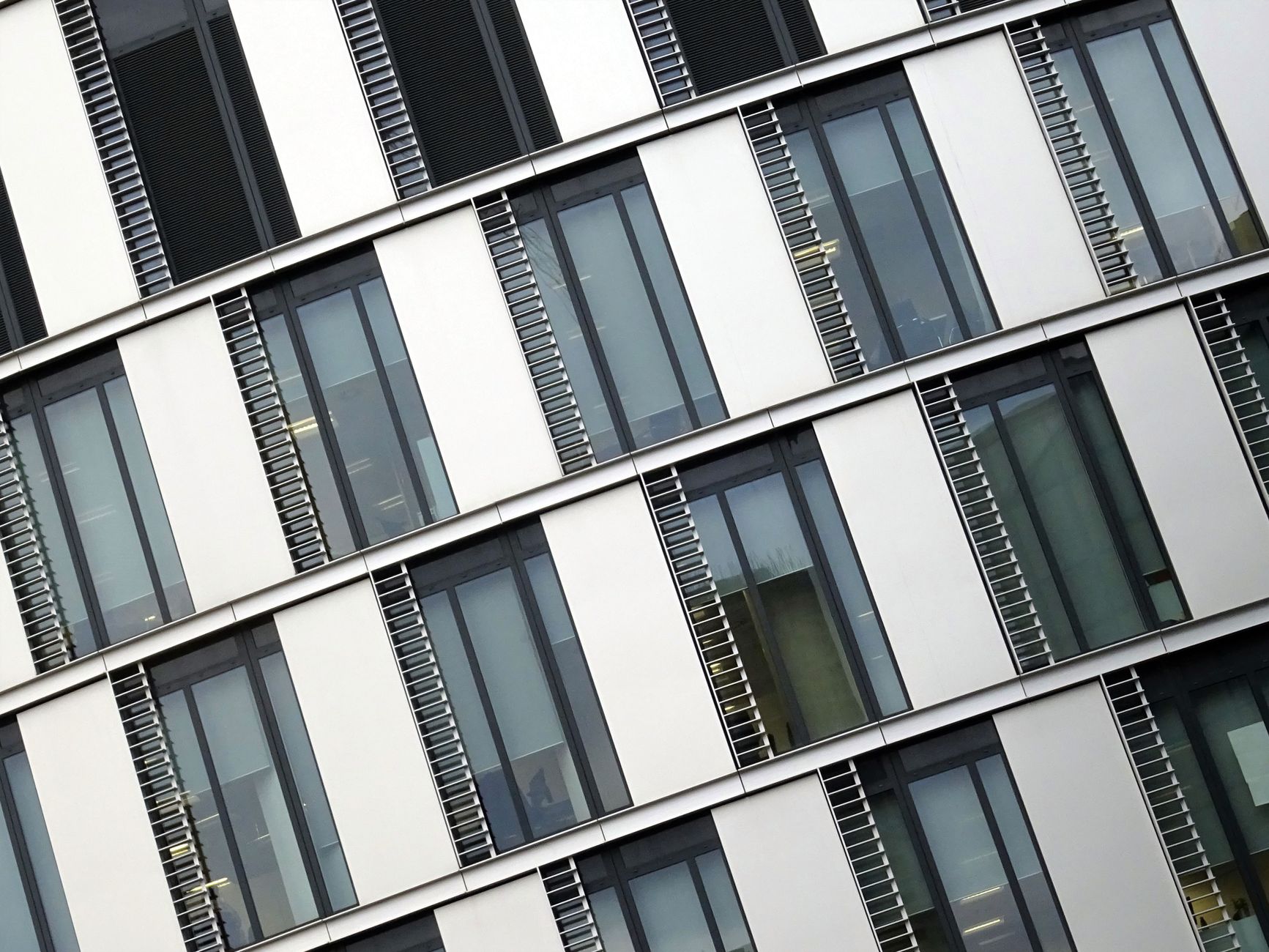
Key Details: How Offices Are Changing
Google’s Mountain View campus unveiled its new minimalist wing in June 2026. The space features neutral color palettes, natural light, modular furniture, and designated digital-free zones. Personal items are limited to one per desk, and shared spaces are cleared nightly.Meta followed suit, removing non-essential décor and introducing focus pods—small, soundproof rooms with only a desk, chair, and plant. Employees book these pods for deep work sessions, a practice inspired by productivity hacks from Japanese Zen offices.
Salesforce’s San Francisco headquarters adopted a 'clean desk' policy and replaced paper-based processes with digital dashboards. According to company data, meeting times have dropped by 12% since the redesign, attributed to fewer visual distractions and streamlined communication tools.
Employee Reactions: Mixed but Positive
While some employees initially resisted the changes, citing loss of personal expression, most report improved concentration and less fatigue. "I was skeptical at first, but I get more done in less time now," said Priya Patel, a Google software engineer, in an interview with CNBC.Meta’s internal survey from July 2026 shows 68% of staff prefer the new minimalist setup, with 21% requesting further adjustments such as more greenery or adjustable lighting. HR departments are monitoring well-being metrics to ensure the changes benefit all employees.
Productivity Hacks Gaining Traction
Alongside design changes, companies are promoting minimalist productivity hacks. These include the 'one-touch rule' for emails, digital decluttering days, and scheduled 'focus hours' with no meetings or notifications allowed.
Google has introduced a 'two-minute tidy' at the end of each day, encouraging employees to clear their desks and digital desktops. Salesforce offers workshops on digital minimalism, teaching staff to streamline app usage and unsubscribe from non-essential notifications.
Experts say these practices align with research from the American Psychological Association, which found that clutter—both physical and digital—can reduce cognitive performance by up to 30%.
Analysis: Why Minimalism Works
Workplace psychologists attribute the success of minimalist environments to reduced cognitive load. "When our brains process less visual information, we have more mental energy for complex tasks," explained Dr. Lena Cho, an organizational psychologist, to The New York Times.Minimalist spaces also promote mindfulness and intentionality, two factors linked to higher job satisfaction and creativity. According to a Harvard Business Review report, companies with minimalist offices saw a 15% uptick in innovation metrics in Q2 2026.
However, experts caution against a one-size-fits-all approach. "Minimalism should enhance, not hinder, individual work styles," said Dr. Cho. Some employees may need personalized adjustments to thrive.
Impact on Workplace Culture
The minimalist trend is influencing corporate culture beyond aesthetics. Leaders are rethinking meeting structures, communication norms, and even dress codes to align with simplicity and efficiency.Startups and smaller firms are also adopting minimalist principles, citing cost savings and easier maintenance. According to Fast Company, office supply expenses dropped by 18% in companies that embraced minimalist policies in 2026.
Recruiters say minimalist offices appeal to younger workers, who value flexibility and mental well-being. A 2026 LinkedIn survey found that 59% of Gen Z job seekers prefer companies with minimalist, flexible workspaces.
What’s Next: The Future of Minimalist Workspaces
As hybrid work continues, experts predict further integration of minimalist design and productivity hacks. Companies are exploring AI-powered workspace personalization and virtual minimalist environments for remote teams.Sources: Reporting based on information from The Wall Street Journal, The New York Times, CNBC, Stanford University, American Psychological Association, Harvard Business Review, and Fast Company.
Sources: Information sourced from The Wall Street Journal, The New York Times, CNBC, Stanford University, and other leading publications and research organizations.