
Tesla has announced a revolutionary battery technology, enabling electric vehicles to achieve 800-mile ranges, setting a new industry standard and accelerating the shift toward sustainable transportation.
Palo Alto, CA – February 25, 2026: Tesla has unveiled a groundbreaking battery innovation that promises to extend electric vehicle (EV) ranges up to 800 miles on a single charge, according to a live announcement by CEO Elon Musk at the company’s headquarters. The new battery, dubbed the “MaxRange Cell,” is set to debut in Tesla’s 2027 vehicle lineup, marking a significant leap in green technology and EV adoption.
The announcement comes amid fierce competition in the EV sector, with global automakers racing to deliver longer-range, faster-charging vehicles. Tesla’s new battery technology is expected to position the company ahead of rivals such as BYD, Volkswagen, and General Motors, who have also invested heavily in battery research, as reported by Reuters.
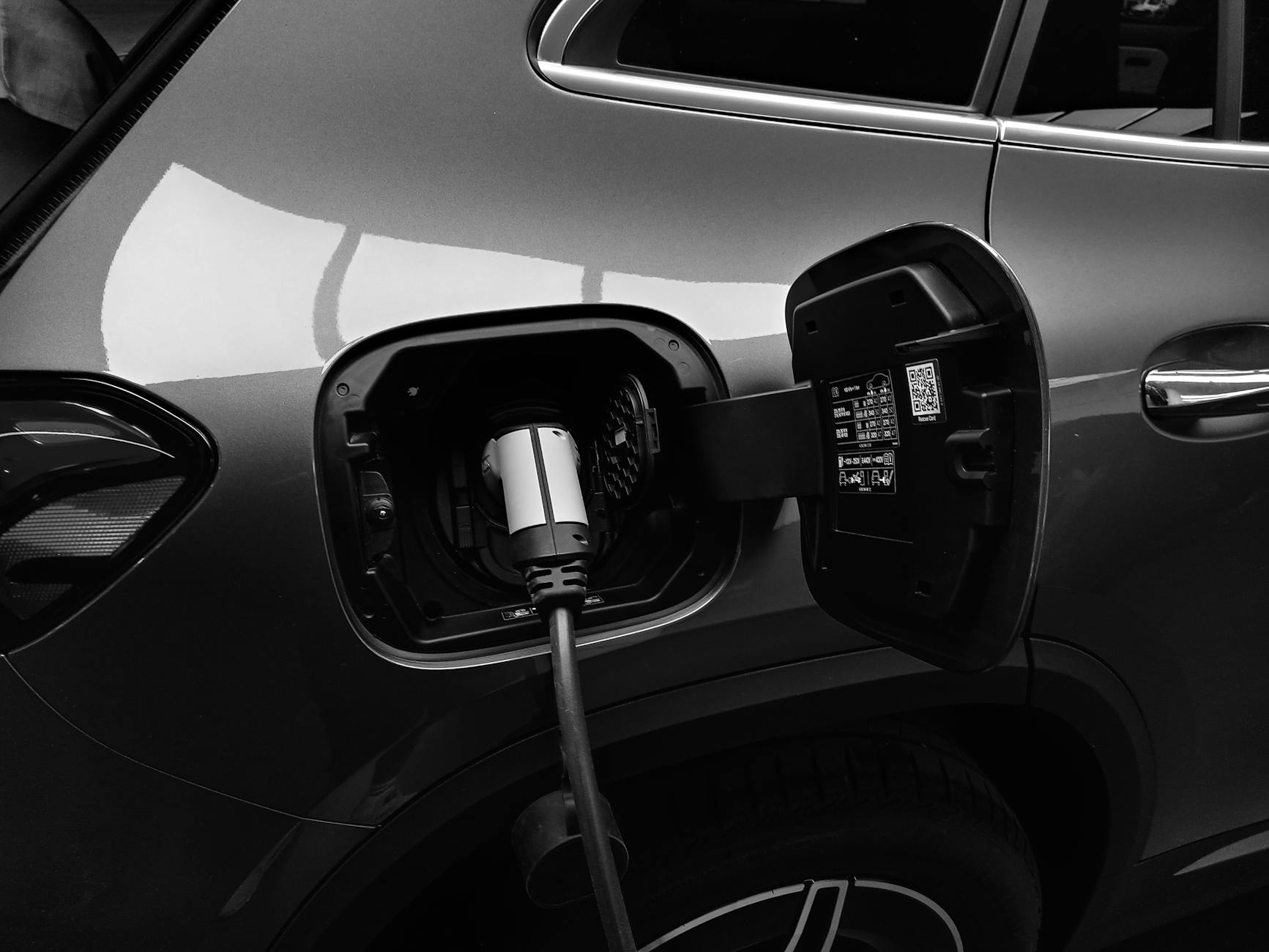
Background: The Race for Battery Supremacy
The electric vehicle industry has long been constrained by battery limitations, including range anxiety and charging times. According to BloombergNEF, global EV sales surpassed 20 million units in 2025, but consumer surveys consistently cite range as a top concern. Tesla’s previous-generation batteries offered ranges of 400-500 miles, already among the industry’s best.In recent years, battery innovation has accelerated, with breakthroughs in solid-state, lithium-sulfur, and silicon-anode technologies. Companies like QuantumScape and CATL have announced advances, but mass-market deployment has lagged. Tesla’s MaxRange Cell, developed in partnership with Panasonic and Redwood Materials, represents the first commercial-scale battery to break the 800-mile barrier, according to The Verge.
Key Details: The MaxRange Cell
Tesla’s MaxRange Cell utilizes a proprietary silicon-carbon anode and a high-nickel cathode, boosting energy density by 30% over previous designs. The battery also features an advanced thermal management system, enabling ultra-fast charging—up to 80% capacity in just 15 minutes, as detailed by the company’s technical whitepaper.Elon Musk stated during the launch event, “This is the biggest leap in battery technology since lithium-ion. The MaxRange Cell will power the next generation of sustainable transport.” Tesla plans to begin pilot production at its Giga Texas facility in Q3 2026, with full-scale manufacturing ramping up in early 2027.
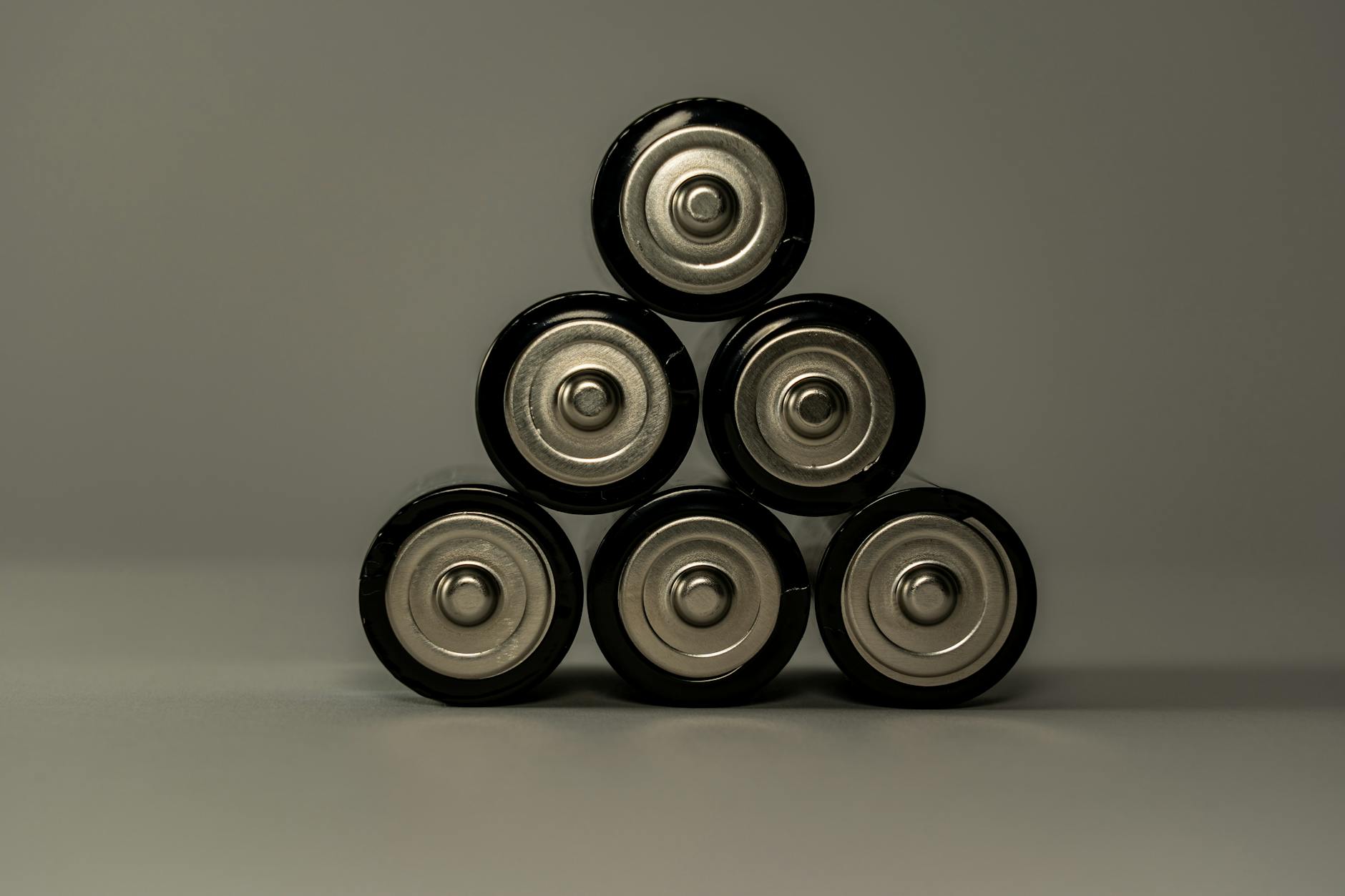
The new battery is designed with recyclability in mind. Tesla claims a closed-loop process will allow 95% of battery materials to be reused, reducing environmental impact and supply chain risks. This aligns with global trends toward circular economies and sustainable manufacturing, as highlighted in a recent International Energy Agency (IEA) report.
Industry and Market Response
The announcement sent Tesla shares surging 12% in after-hours trading, according to CNBC. Analysts predict the MaxRange Cell could trigger a new wave of EV adoption, especially in North America and Europe, where long-distance travel is common.Rival automakers responded swiftly. GM released a statement congratulating Tesla while reaffirming its own commitment to solid-state battery research. Volkswagen announced plans to accelerate its battery innovation program. Industry experts, including Morgan Stanley’s Adam Jonas, called Tesla’s breakthrough “a watershed moment for the entire automotive sector.”
Analysis: Implications for Green Technology
The MaxRange Cell’s extended range addresses a critical barrier to EV adoption: range anxiety. According to a 2025 J.D. Power survey, 68% of potential EV buyers cited range as their primary concern. With 800 miles per charge, EVs could rival or surpass gasoline vehicles in convenience.Tesla’s innovation could also accelerate the shift away from internal combustion engines, supporting global efforts to reduce carbon emissions. The United Nations Environment Programme (UNEP) estimates that transportation accounts for 24% of global CO2 emissions. Widespread adoption of long-range EVs could significantly lower this figure.
The battery’s recyclability and reduced reliance on rare earth metals address environmental and ethical concerns associated with traditional lithium-ion batteries. According to Amnesty International, cobalt mining has raised human rights issues. Tesla’s new chemistry reduces cobalt use by 80%, mitigating these risks.
Challenges and Next Steps
Despite the promise, scaling up production remains a challenge. Battery manufacturing is capital-intensive, and global supply chains for nickel and silicon are under pressure. Tesla has announced new supply agreements with mining firms in Australia and Canada to secure raw materials, as reported by The Wall Street Journal.Regulatory approvals and safety testing are also required before the MaxRange Cell can enter mass production. Tesla is working with the U.S. Department of Energy and European regulators to ensure compliance with new battery safety standards, which have become more stringent following several high-profile EV fire incidents.
Consumer pricing remains unknown. Analysts expect the first vehicles equipped with MaxRange Cells to carry a premium, but costs are projected to fall as production scales. Tesla aims to make the technology available across its entire lineup by 2029, democratizing access to ultra-long-range EVs.
Impact on the Broader EV Ecosystem
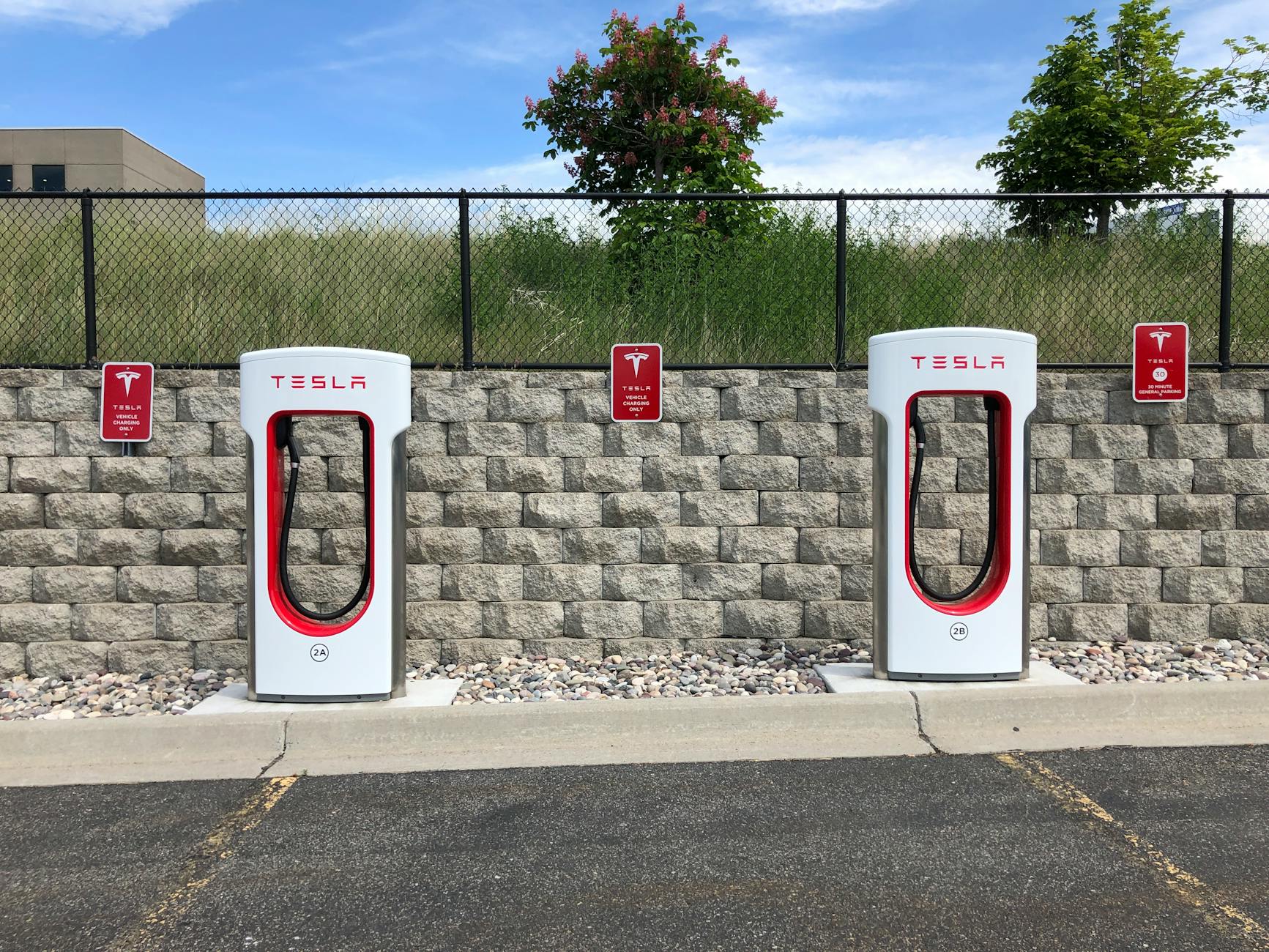
The MaxRange Cell could reshape the EV charging infrastructure. With 800-mile ranges, the need for frequent charging stops diminishes, potentially reducing pressure on public charging networks. However, Tesla also announced plans to expand its Supercharger network with 500kW ultra-fast chargers to support the new batteries.The breakthrough may also influence energy storage markets. Tesla’s battery technology is already used in grid-scale applications, and the new cell could enhance renewable energy integration by providing higher-capacity, longer-lasting storage solutions, according to Greentech Media.
Governments and environmental groups have welcomed the news. The European Commission issued a statement praising the innovation as a “major step toward the EU’s 2030 climate targets.” U.S. Secretary of Energy Jennifer Granholm called it “a testament to American ingenuity and the power of public-private partnerships.”
What’s Next for Tesla and the EV Industry?
Tesla plans to showcase prototype vehicles equipped with MaxRange Cells at the 2026 Los Angeles Auto Show. The company is also exploring licensing the technology to other automakers, potentially accelerating global EV adoption.Industry observers will watch closely as Tesla ramps up production and navigates regulatory hurdles. If successful, the MaxRange Cell could define the next decade of electric mobility, setting new benchmarks for range, sustainability, and performance.
Sources
This article is based on information from Tesla’s official press release, live statements from Elon Musk, and reporting by Reuters, BloombergNEF, The Verge, CNBC, The Wall Street Journal, Greentech Media, and the International Energy Agency.Sources: Information sourced from Tesla, Reuters, BloombergNEF, The Verge, CNBC, The Wall Street Journal, Greentech Media, and the International Energy Agency.