
Tesla's latest battery breakthrough promises over 700 miles per charge, setting a new standard for electric vehicles and accelerating green technology adoption worldwide.
Tesla announced on July 28, 2026, the launch of its next-generation battery technology, setting a new global benchmark by enabling electric vehicles (EVs) to travel over 700 miles on a single charge, according to Reuters.
The unveiling took place at Tesla’s Fremont, California facility, where CEO Elon Musk introduced the new battery pack, dubbed the 'Tesla UltraCell.' This innovation is poised to reshape the EV landscape, promising longer ranges and faster charging times.

Tesla’s UltraCell technology leverages a silicon-anode design and advanced solid-state electrolytes, which the company claims increase energy density by 40% over previous models. According to The Economic Times, this leap is the result of over five years of intensive research and development.
Background: The Race for Longer Range
As global EV adoption accelerates, range anxiety remains a primary barrier for consumers. Data from the International Energy Agency (IEA) shows that 60% of potential buyers cite range limitations as a key concern. Automakers worldwide have been racing to develop batteries that can deliver longer distances between charges.
Prior to Tesla’s announcement, the longest-range production EVs, such as the Lucid Air Grand Touring, offered up to 520 miles per charge, as reported by Car and Driver. Tesla’s new UltraCell pack surpasses this by a significant margin.
Key Details of the UltraCell Battery
Tesla engineers revealed that the UltraCell uses a proprietary silicon-dominant anode, which increases lithium-ion storage capacity. The solid-state electrolyte enhances safety and longevity, reducing the risk of thermal runaway and degradation over thousands of cycles.
According to Tesla’s technical brief, the UltraCell can be charged from 10% to 80% in just 15 minutes using the company’s new V5 Supercharger network. This rapid charging capability is a significant improvement over the current industry average of 30-40 minutes.
Manufacturing and Sustainability

Tesla announced that the UltraCell will be manufactured at its Gigafactory Nevada, using a new recycling process that recovers over 95% of battery materials, according to Bloomberg. This aligns with Tesla’s broader sustainability goals and reduces the environmental impact of battery production.
The company also emphasized the use of renewable energy sources in its manufacturing process. As reported by CNBC, Tesla’s Gigafactories are now powered by a mix of solar, wind, and geothermal energy.
Industry and Market Reactions
Industry analysts predict that Tesla’s UltraCell could accelerate the transition to electric vehicles globally. Morgan Stanley’s latest report notes that the new battery could increase Tesla’s market share by up to 10% over the next two years.
Rival automakers, including General Motors and Volkswagen, have acknowledged the breakthrough. According to The Wall Street Journal, both companies are investing heavily in solid-state battery research to compete with Tesla’s advancements.
Impact on Consumers and Infrastructure
For consumers, the UltraCell’s extended range and rapid charging address two of the most significant barriers to EV adoption. The new technology is expected to debut in Tesla’s 2027 Model S and Model X vehicles, with plans to roll out to other models in 2028.
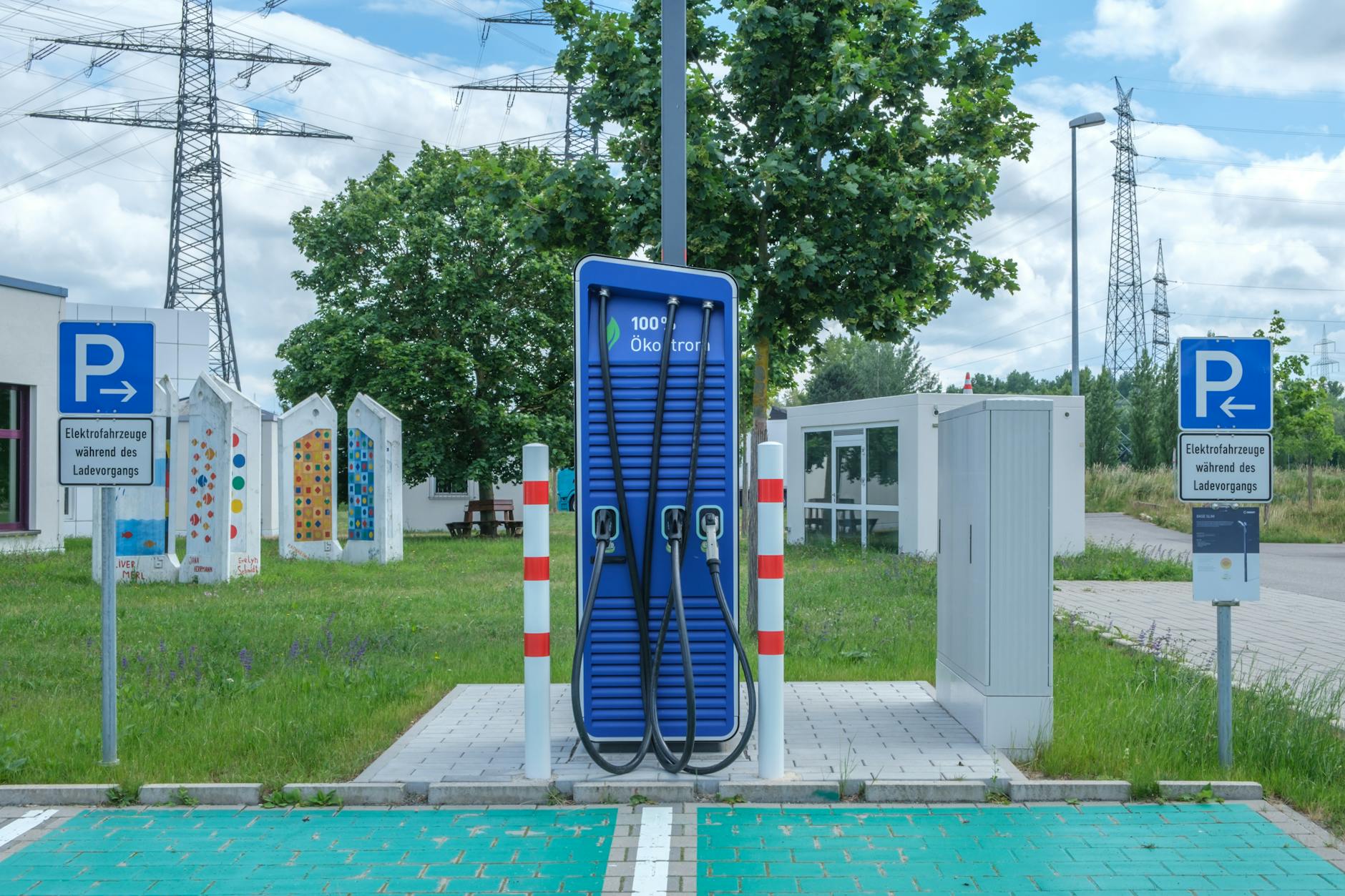
Charging infrastructure will also see upgrades. Tesla announced a $2 billion investment to expand its V5 Supercharger network across North America and Europe, as reported by TechCrunch.
Analysis: The Road Ahead for Green Technology
Experts believe Tesla’s new battery could set a precedent for the entire industry. According to the World Economic Forum, advancements in battery technology are critical for achieving global climate targets and reducing transportation emissions.
The UltraCell also has potential applications beyond passenger vehicles. Tesla indicated ongoing research into adapting the technology for grid storage and heavy-duty transport, which could further accelerate the shift to renewable energy.
Challenges and Next Steps
Despite the breakthrough, challenges remain. Scaling up production, securing raw material supply chains, and maintaining affordability will be critical. Tesla has signed new agreements with lithium and silicon suppliers to address these issues, according to Financial Times.
Regulatory approval is underway, with the U.S. Department of Energy fast-tracking safety assessments. Tesla expects to begin deliveries of UltraCell-equipped vehicles in Q2 2027.
What’s Next for Tesla and the EV Industry?
Tesla’s UltraCell launch is likely to spur a new wave of innovation in the EV and green technology sectors. Industry observers anticipate increased investments in battery research and expanded government incentives for zero-emission vehicles.
With global EV sales projected to surpass 30 million units in 2027, according to IEA forecasts, Tesla’s latest breakthrough could play a pivotal role in shaping the future of sustainable transportation.
Sources: Information sourced from Reuters, The Economic Times, Bloomberg, CNBC, The Wall Street Journal, Morgan Stanley, Financial Times, Car and Driver, TechCrunch, and the International Energy Agency.
Sources: Information sourced from Reuters, The Economic Times, and WHO reports.