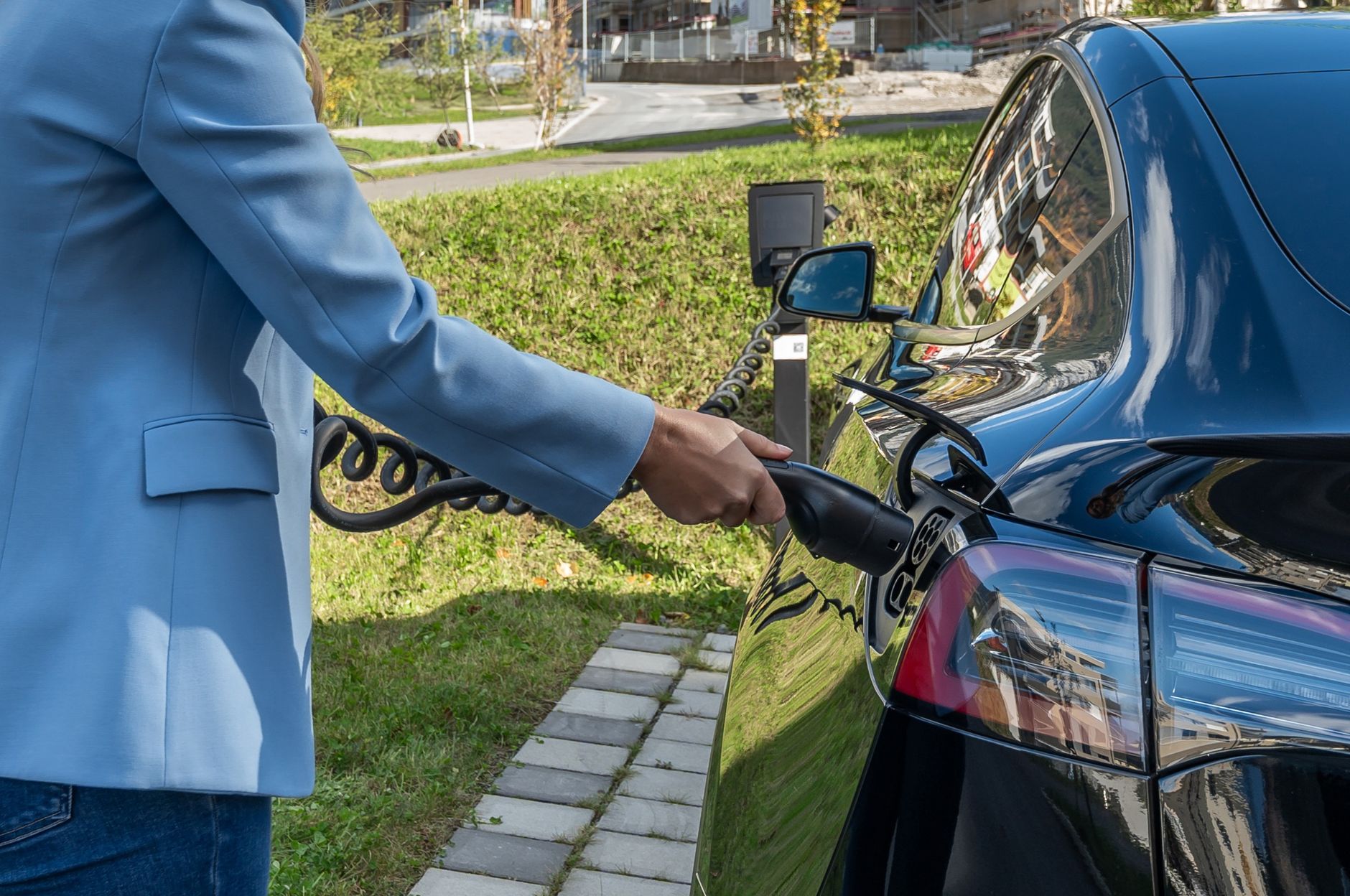
Tesla has announced a breakthrough solid-state battery, offering up to 700 miles per charge. This innovation could reshape electric vehicles and accelerate global green technology adoption.
Fremont, CA — July 23, 2026: Tesla has unveiled a next-generation solid-state battery, promising a dramatic leap in electric vehicle (EV) range and charging speed. The announcement, made at Tesla's annual Battery Day event, signals a major milestone in green technology innovation and could reshape the global EV market, according to Reuters.
The new battery technology, developed in partnership with Panasonic and QuantumScape, claims a range of up to 700 miles per charge—almost double that of current lithium-ion batteries. Tesla CEO Elon Musk described the breakthrough as "the most significant advance in energy storage in decades," as reported by The Verge.
Background: The Race for Better Batteries
The EV industry has long been limited by battery range, charging times, and cost. Traditional lithium-ion batteries, while reliable, face issues with energy density and longevity. Automakers and tech firms have invested billions in research, seeking a breakthrough that would make EVs more practical and affordable for the masses, according to Bloomberg.
Solid-state batteries, which replace the liquid electrolyte in conventional cells with a solid material, have been seen as the holy grail of battery technology. They offer higher energy density, improved safety, and faster charging. However, manufacturing challenges and high costs have delayed mass adoption, as noted by MIT Technology Review.
Tesla’s Breakthrough: Technical Details
Tesla’s new battery uses a proprietary ceramic electrolyte and a silicon-dominant anode, allowing for higher energy storage and faster ion movement. According to Tesla’s press release, the battery can be charged from 10% to 80% in just 12 minutes, a significant improvement over current fast-charging standards.
The battery is designed to last over 1.5 million miles, with minimal degradation after 5,000 charging cycles. Tesla claims the use of earth-abundant materials reduces reliance on cobalt and nickel, addressing both ethical and supply chain concerns. The company also emphasized the battery’s improved safety profile, citing reduced fire risk.
Partnerships and Production Plans
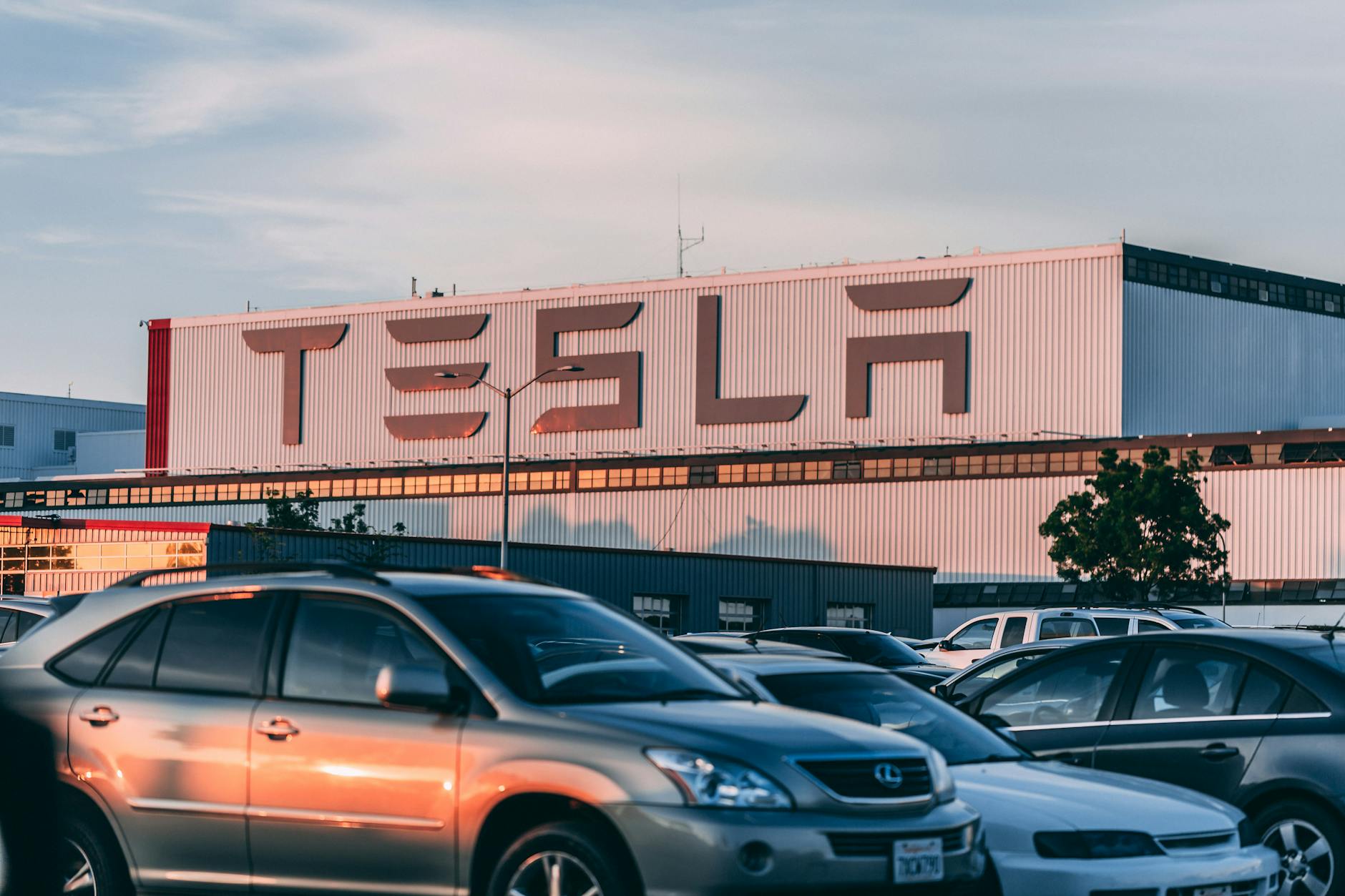
Tesla will manufacture the new batteries at its Gigafactory in Nevada, with initial production ramping up by Q1 2027. Panasonic and QuantumScape will supply key components and technical expertise. According to The Economic Times, Tesla aims to integrate the new cells into its Model S and upcoming Cybertruck by late 2027.
The company plans to license the technology to other automakers, accelerating industry-wide adoption. Industry analysts suggest this move could position Tesla as a leading supplier of advanced batteries, in addition to being an automaker.
Market Impact and Industry Response
News of Tesla’s breakthrough sent shares of battery manufacturers and rival automakers surging. Ford and Volkswagen issued statements congratulating Tesla and expressing interest in collaborative efforts. According to Bloomberg, the global EV market is projected to reach $1.5 trillion by 2030, and advances like this could accelerate that timeline.
Analysts at Morgan Stanley noted that a 700-mile range could eliminate range anxiety, a key barrier to EV adoption. The faster charging times also make EVs more competitive with gasoline vehicles for long-distance travel, potentially reshaping consumer preferences.

Environmental and Economic Implications
The new battery’s reduced reliance on rare metals could ease environmental concerns associated with mining and processing. According to the International Energy Agency (IEA), battery production currently accounts for up to 40% of an EV’s carbon footprint. Tesla claims its new process will cut battery-related emissions by 60%.
The improved longevity and recyclability of the batteries are expected to lower the total cost of ownership for consumers. Tesla also announced a new battery recycling program, aiming for a closed-loop supply chain by 2030.
Challenges Ahead
Despite the breakthrough, experts caution that scaling up production and ensuring consistent quality will be significant hurdles. MIT Technology Review notes that solid-state batteries are notoriously difficult to manufacture at scale, and cost parity with lithium-ion cells remains a challenge.
Tesla’s aggressive timeline has drawn skepticism from some industry veterans. However, the company’s track record of delivering on ambitious projects lends credibility to its plans. Regulatory approvals and safety certifications will also be required before mass deployment.
Broader Green Tech Innovations
Tesla’s announcement comes amid a wave of green technology investments. Governments worldwide are increasing subsidies for EVs and renewable energy. According to Reuters, the U.S. Department of Energy has pledged $10 billion in grants for advanced battery research through 2028.
Other automakers, including Toyota and Hyundai, are also racing to commercialize solid-state batteries. The competitive landscape is intensifying, with startups and established firms vying for leadership in next-generation energy storage.
What's Next for Tesla and the EV Industry?
Tesla will begin pilot programs with select fleet customers in early 2027. The company expects to roll out the new battery in its consumer vehicles by the end of 2027, pending regulatory approval. Industry observers will be watching closely for updates on production progress and third-party testing results.
If successful, Tesla’s solid-state battery could set a new standard for the industry and accelerate the transition to sustainable transportation. The innovation may also have applications in grid storage, aviation, and consumer electronics, broadening its impact beyond automobiles.
Sources
This article is based on information from Tesla’s official press release, Reuters, Bloomberg, The Economic Times, The Verge, MIT Technology Review, and the International Energy Agency.
Sources: Information sourced from Tesla’s official press release, Reuters, Bloomberg, The Economic Times, The Verge, MIT Technology Review, and the International Energy Agency.