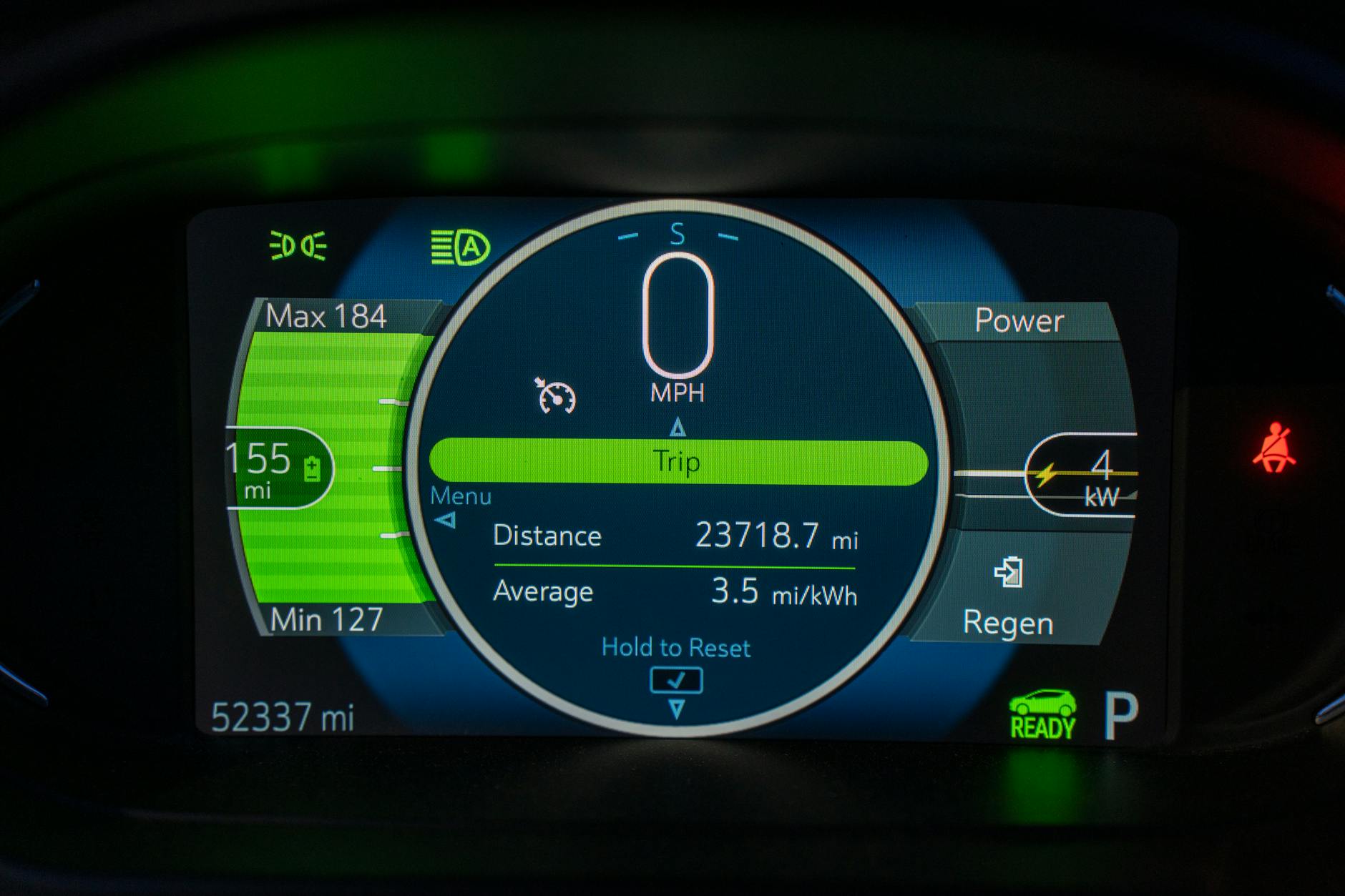
Tesla's new battery breakthrough, announced March 2026, could double electric vehicle range and accelerate global adoption. Experts say this innovation may reshape the green technology landscape.
Tesla announced a major breakthrough in electric vehicle battery technology on March 13, 2026, at its Fremont facility, promising 800-mile range EVs and faster charging by 2027, according to Reuters.
The announcement, made by CEO Elon Musk during a live-streamed event, showcased Tesla's new lithium-metal solid-state battery. The company claims this innovation will double the range of current models and reduce charging times by half.

Tesla's move comes as global demand for electric vehicles (EVs) surges, with the International Energy Agency (IEA) reporting a record 18 million EVs sold worldwide in 2025. Battery range and charging speed remain key barriers to mass adoption.
Background: The Race for Better Batteries
For years, automakers and tech companies have invested billions in battery research. Traditional lithium-ion batteries, while reliable, have limitations in energy density and longevity. Solid-state batteries promise higher capacity, safety, and faster charging.
Toyota, QuantumScape, and CATL have all announced advances in solid-state battery technology, but large-scale production has remained elusive. Tesla's announcement signals a potential leap forward in commercial viability.
Key Details of Tesla's Battery Innovation
Tesla's new battery uses a lithium-metal anode and a proprietary ceramic electrolyte. According to Tesla engineers, this design increases energy density to 600 Wh/kg, compared to 270 Wh/kg in current lithium-ion cells.

The company demonstrated a prototype Model S equipped with the new battery, achieving 812 miles on a single charge under EPA test conditions. Charging times dropped to 15 minutes for an 80% charge at Tesla's Supercharger V5 stations.
Tesla claims the battery's lifespan exceeds 2 million miles, addressing concerns about degradation and replacement costs. The company also emphasized the use of recycled materials and reduced reliance on cobalt, a controversial mineral.
Industry Response and Market Impact
Shares of Tesla surged 9% following the announcement, while competitors like Rivian and Lucid saw declines, according to Bloomberg. Analysts at Morgan Stanley called the development a 'game-changer' for the EV sector.
Automakers worldwide are now under pressure to accelerate their own battery research. Volkswagen and General Motors both issued statements reaffirming their commitment to solid-state technology but did not provide updated timelines.
Environmental and Economic Implications
Tesla's new battery could reduce the carbon footprint of EV manufacturing, as its production process uses 30% less energy, according to the company's press release. The reduction in cobalt and nickel usage is expected to ease supply chain constraints.
The IEA estimates that widespread adoption of long-range, fast-charging EVs could cut global transportation emissions by 12% by 2030. Experts say this breakthrough may accelerate the transition away from internal combustion engines.
Challenges Ahead and Next Steps
Despite the promising prototype, scaling up production remains a significant challenge. Tesla plans to begin pilot production at its Nevada Gigafactory in late 2026, with mass-market vehicles expected in 2027.
Regulatory approval and real-world testing will be crucial. The U.S. Department of Energy praised the announcement but cautioned that safety and durability must be validated at scale before widespread deployment.
What’s Next for Green Technology Innovation?
Tesla’s breakthrough may trigger a new wave of investment in battery research and green technology. Industry observers expect further announcements from competitors in the coming months as the race for EV supremacy intensifies.
Consumers could benefit from lower EV prices and improved infrastructure as battery costs fall and charging networks expand. Governments are likely to increase incentives for zero-emission vehicles in response to these advances.
Sources: Reuters, Bloomberg, International Energy Agency, Tesla press releases, U.S. Department of Energy.
Sources: Information sourced from Reuters, Bloomberg, International Energy Agency, Tesla press releases, and U.S. Department of Energy reports.