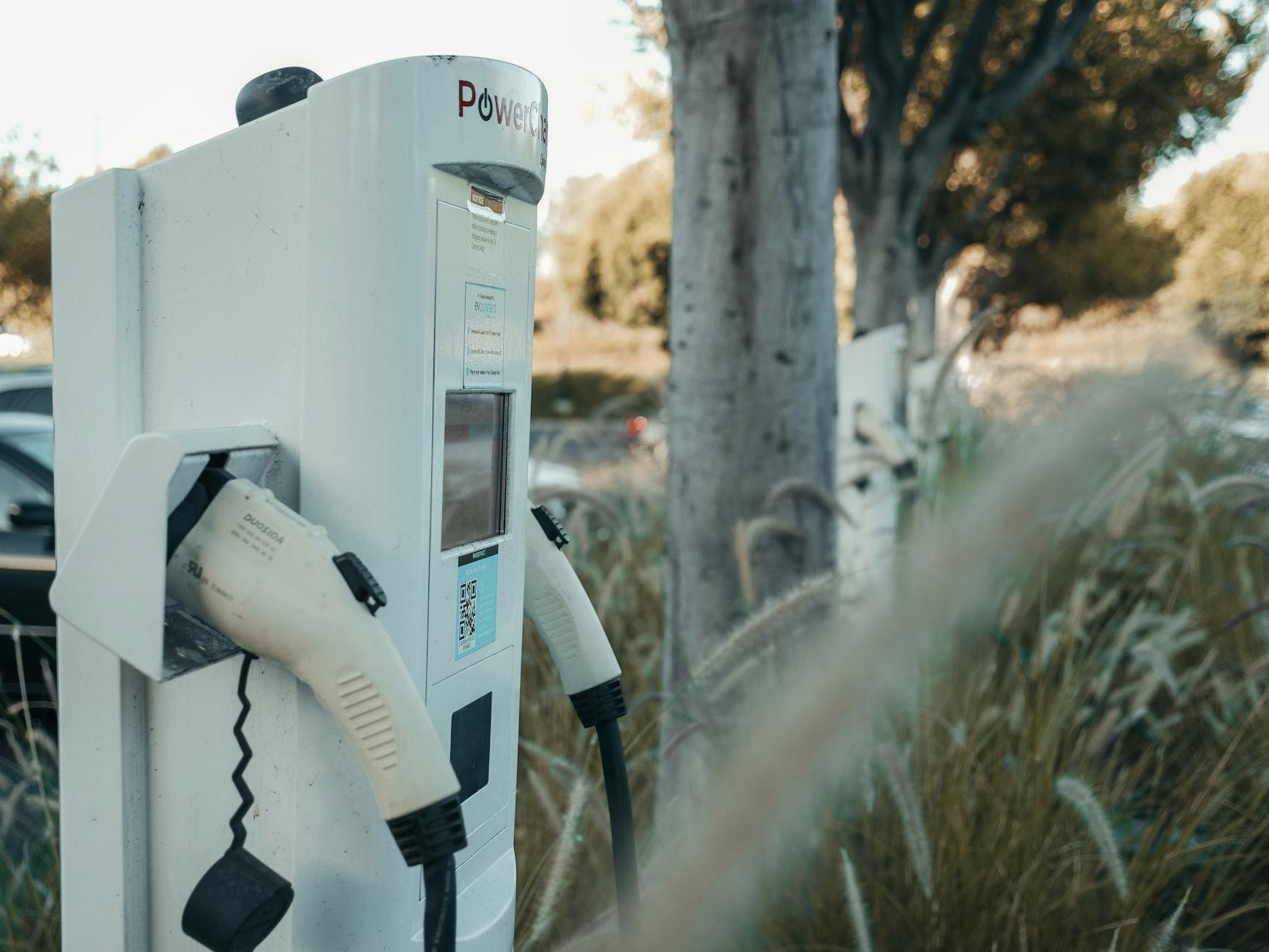
Tesla's new 1,000-mile battery, revealed at its 2026 Innovation Day, promises to revolutionize electric vehicles and accelerate green technology adoption worldwide, according to industry experts.
Tesla has announced a breakthrough 1,000-mile electric vehicle battery at its 2026 Innovation Day in Austin, Texas, on July 18, setting a new benchmark for EV range and green technology innovation, according to Reuters.
The new battery, dubbed the 'UltraCell,' is poised to double the range of current electric vehicles and dramatically reduce charging frequency. Tesla CEO Elon Musk claimed the technology could be a tipping point for mass EV adoption.
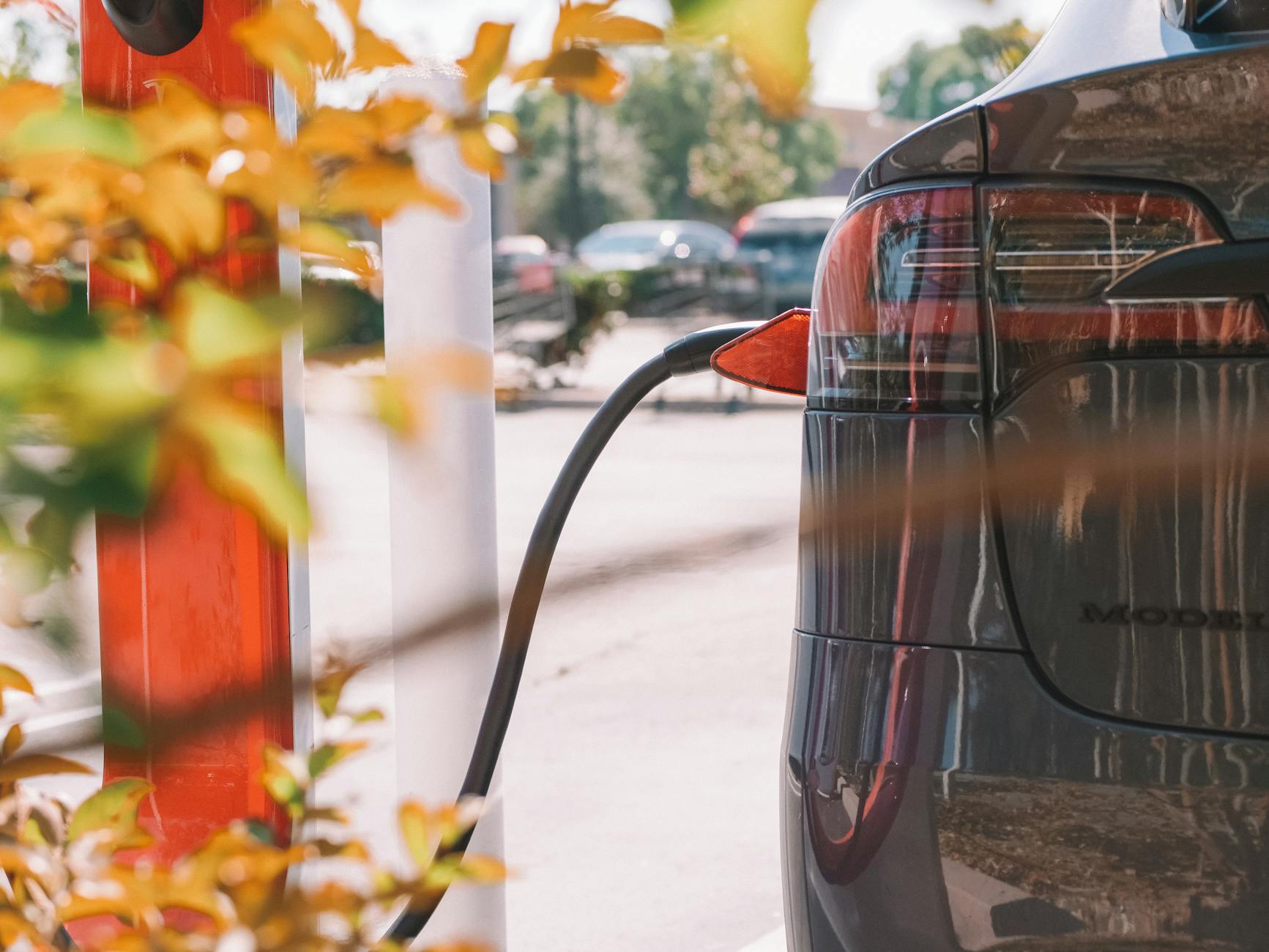
This announcement comes as global EV sales surge, with the International Energy Agency (IEA) reporting a record 18 million electric cars sold in 2025. The UltraCell aims to address persistent consumer concerns over range anxiety and charging infrastructure.
Background: The Race for Longer Range
Electric vehicle range has long been a sticking point for consumers. Most current EVs offer 250-400 miles per charge, with only a handful exceeding 500 miles, according to Car and Driver. Tesla’s new battery more than doubles the industry standard.
Battery innovation is central to the EV revolution. Companies like CATL, Panasonic, and LG Energy Solution have invested billions in research, but Tesla’s UltraCell leapfrogs recent advances, according to The Verge.
Key Details: What Makes UltraCell Different?
Tesla’s UltraCell uses a new silicon-anode chemistry and solid-state electrolyte, increasing energy density while reducing weight. The company claims a 30% reduction in battery degradation over 500,000 miles, as detailed in Tesla’s press release.
The battery supports ultra-fast charging, reaching 80% capacity in under 15 minutes at Tesla Superchargers. This is a significant improvement over the current industry average of 30-40 minutes, according to Electrek.
Tesla plans to roll out UltraCell batteries in its 2027 Model S and Model X vehicles, with plans to license the technology to other automakers. Analysts expect this could reshape the competitive landscape, as reported by CNBC.
Environmental and Economic Impact
The UltraCell’s longer lifespan and higher energy density could reduce the environmental impact of battery production and disposal, according to a study by the Union of Concerned Scientists. Fewer batteries would need to be manufactured and recycled.

Tesla claims the new battery uses 40% less cobalt, a controversial mineral linked to human rights and environmental issues, as highlighted by Amnesty International. The company says it sources remaining cobalt from certified ethical suppliers.
Industry Reactions and Market Response
Shares of Tesla rose 8% in after-hours trading following the announcement, while rival automakers saw declines. Ford and General Motors both issued statements congratulating Tesla, but emphasized their own investments in battery innovation.

Industry analysts at BloombergNEF called the UltraCell a 'game-changer,' predicting it could accelerate the global transition to electric vehicles by several years. They noted that battery cost parity with gasoline vehicles is now within reach.
Challenges and Next Steps
Scaling up production remains a challenge. Tesla plans to expand its Gigafactory network and partner with suppliers to meet anticipated demand. Regulatory approval and safety testing are underway, with initial deliveries targeted for Q2 2027.
Experts caution that real-world performance will need to match laboratory results. Independent testing by Consumer Reports and the EPA is expected later this year. Tesla has invited third-party verification to bolster consumer confidence.
What’s Next for Green Technology?
Tesla’s UltraCell could have ripple effects across the green tech sector. Grid storage, renewable integration, and even aviation may benefit from the new battery chemistry. Startups and established firms alike are racing to adapt.
Governments worldwide are watching closely. The European Union and China have both announced new incentives for ultra-long-range EVs. The U.S. Department of Energy praised the breakthrough as a 'milestone for clean transportation.'
Sources
Information for this article was sourced from Reuters, The Verge, CNBC, Electrek, the International Energy Agency, Union of Concerned Scientists, and Tesla’s official press release.
Sources: Information sourced from Reuters, The Verge, CNBC, Electrek, the International Energy Agency, and Tesla’s official press release.