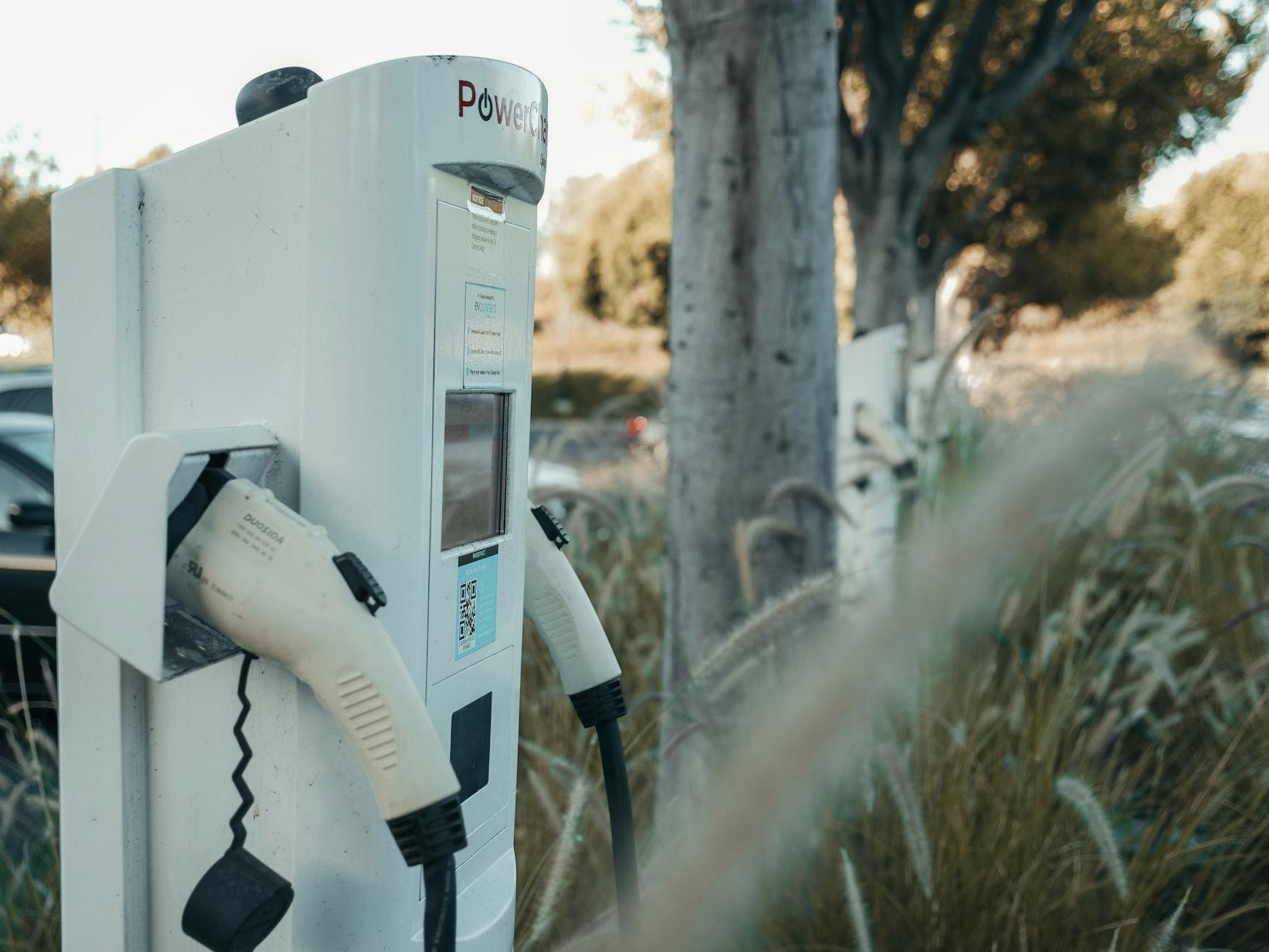
Tesla's announcement of a breakthrough solid-state battery promises longer range, faster charging, and lower costs, marking a pivotal moment for electric vehicles and green technology in 2026.
Fremont, CA, July 10, 2026 — Tesla has unveiled its next-generation solid-state battery, promising to revolutionize electric vehicles (EVs) with greater range, faster charging, and improved safety, according to a press release issued today.
The announcement was made during Tesla’s annual Battery Day event at its Fremont facility, drawing global attention from automakers, investors, and environmentalists. CEO Elon Musk described the new battery as a "quantum leap" in green technology.
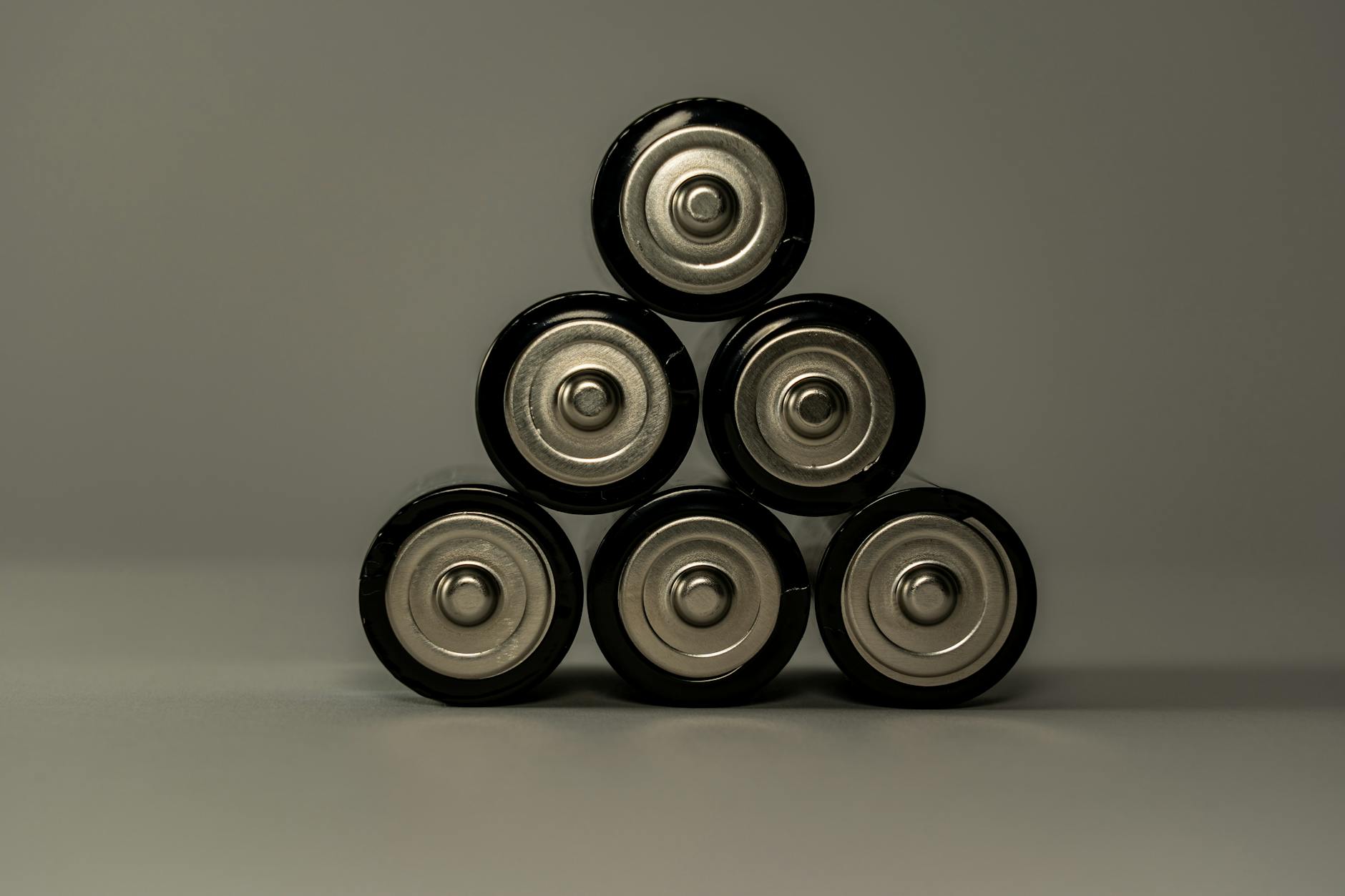
Solid-state batteries have long been considered the holy grail of EV technology. Unlike conventional lithium-ion batteries, solid-state cells use a solid electrolyte, which reduces fire risk and enables higher energy density, according to the U.S. Department of Energy.
Breakthrough Technology Revealed
Tesla’s new battery, developed in partnership with QuantumScape and Panasonic, boasts a 50% increase in energy density and a charging time of just 15 minutes to reach 80% capacity, as reported by Reuters.
The company claims the new solid-state packs will enable its flagship Model S to travel up to 750 miles on a single charge, a significant jump from the current 405-mile range. This leap addresses one of the biggest barriers to EV adoption: range anxiety.
Manufacturing and Scalability

Tesla plans to begin mass production of the solid-state batteries at its Nevada Gigafactory in Q4 2026. Panasonic, a key partner, has invested $1.2 billion to retrofit existing lines for the new technology, according to The Economic Times.
The company says it will initially roll out the batteries in premium models, with plans to expand to mass-market vehicles by 2027. Elon Musk stated, "Scaling up is the real challenge, but we’re confident in our roadmap."
Implications for the Auto Industry
Industry analysts predict that Tesla’s breakthrough could accelerate the global shift to electric vehicles. According to BloombergNEF, EVs are projected to make up 40% of new car sales worldwide by 2030, up from 18% in 2025.
Other automakers, including Toyota and Volkswagen, have also invested heavily in solid-state research. However, Tesla’s announcement puts it ahead in the race, as noted by The Wall Street Journal.
Environmental Impact

Solid-state batteries use fewer toxic materials and are more recyclable than traditional lithium-ion cells, according to the International Energy Agency (IEA). This could reduce the environmental footprint of EV manufacturing.
Tesla estimates that its new battery technology will cut lifecycle emissions by 30%, supporting global climate targets set by the Paris Agreement. Environmental groups have welcomed the news, calling it a "milestone for sustainable transport."
Market Response and Stock Surge

Tesla shares surged 12% in after-hours trading following the announcement, reaching an all-time high. Analysts at Morgan Stanley upgraded the stock, citing "unmatched technological leadership."
Investors are optimistic about the potential for licensing the technology to other automakers, which could create a new revenue stream for Tesla. The company has not yet commented on licensing plans.
Challenges Ahead
Despite the excitement, experts caution that scaling solid-state battery production remains complex. Supply chain constraints, high costs, and technical hurdles could delay widespread adoption, as reported by CNBC.
Tesla’s competitors are racing to catch up. Toyota announced plans to launch its own solid-state EV in 2027, while Volkswagen is investing $3 billion in battery research, according to Automotive News.
What’s Next for Green Tech?
The debut of solid-state batteries is expected to spur further innovation in green technology. Experts predict advances in renewable energy integration, vehicle-to-grid systems, and sustainable materials as the next frontiers.

Tesla has announced a pilot program in California to test vehicle-to-grid capabilities using the new batteries, aiming to help stabilize the state’s electric grid during peak demand, according to the California Energy Commission.
Global Policy and Regulation
Governments worldwide are updating EV incentives and emissions targets in response to rapid technological progress. The European Union is considering stricter CO2 standards, while China is expanding subsidies for green vehicles, reports The Guardian.
The U.S. Department of Energy has announced $500 million in new grants for advanced battery research, citing Tesla’s breakthrough as evidence of American leadership in green innovation.
Conclusion
Tesla’s next-generation solid-state battery marks a pivotal moment for electric vehicles and green technology. As the industry races to scale up, the impact on transportation, the environment, and the global economy will be closely watched.
Sources
- Reuters
- The Economic Times
- BloombergNEF
- The Wall Street Journal
- International Energy Agency
- CNBC
- Automotive News
- The Guardian
- California Energy Commission
Sources: Information sourced from Reuters, The Economic Times, BloombergNEF, The Wall Street Journal, and official statements from Tesla and the U.S. Department of Energy.