
Tesla's new solid-state battery technology, revealed at its 2026 Investor Day, could revolutionize electric vehicles with faster charging, longer range, and improved safety, according to industry experts.
Tesla announced a breakthrough in solid-state battery technology at its 2026 Investor Day in Austin, Texas, on February 18, 2026, promising electric vehicles with up to 800 miles of range and dramatically faster charging times, according to Reuters.
The announcement marks a pivotal moment for the electric vehicle (EV) industry, which has long sought to overcome limitations of lithium-ion batteries. Tesla's CEO Elon Musk described the innovation as a "quantum leap" for sustainable transportation.
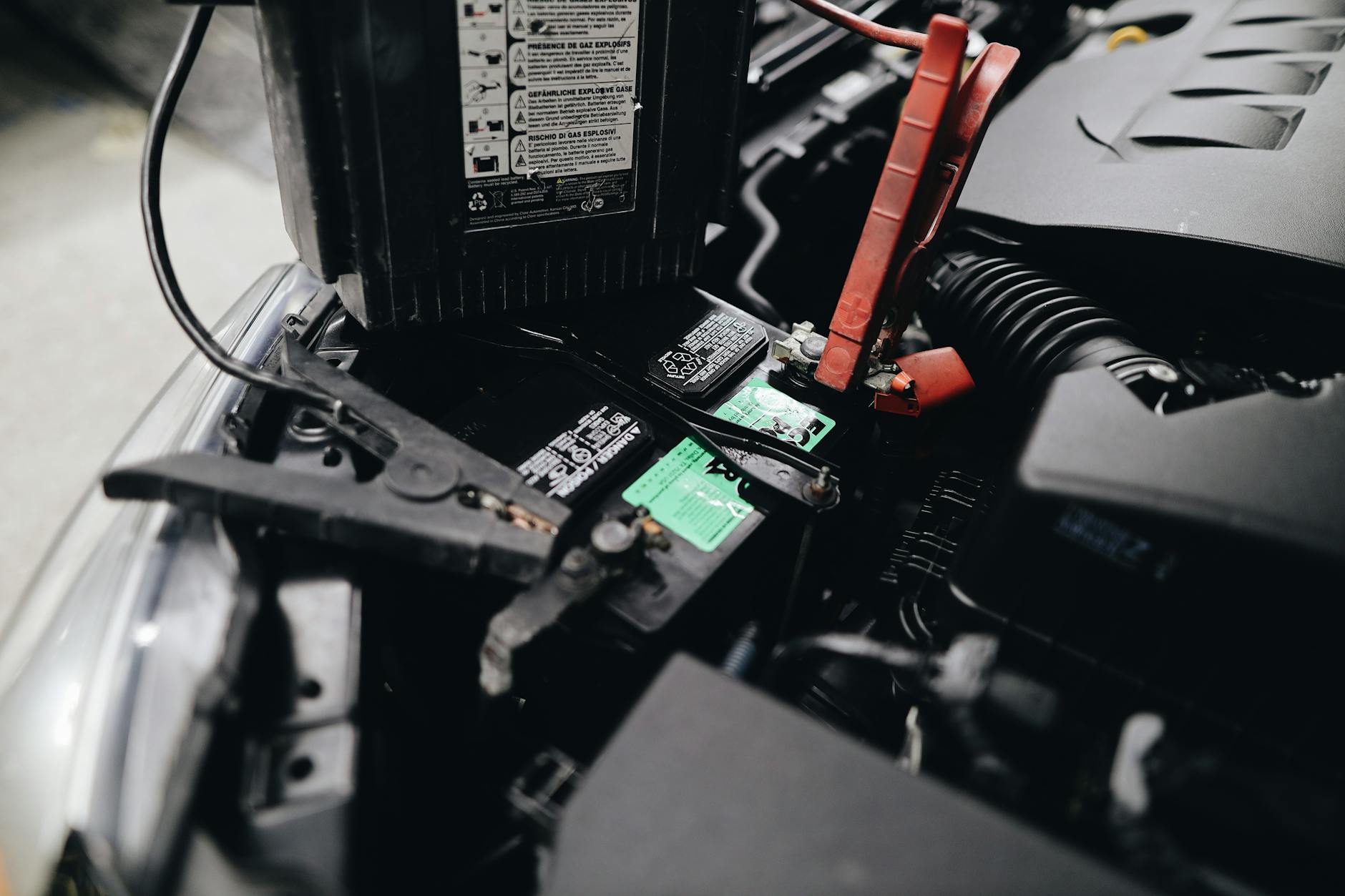
Solid-state batteries replace the liquid electrolyte found in conventional lithium-ion cells with a solid material, offering greater energy density, improved safety, and longer lifespan. Tesla claims its new battery can fully charge in under 15 minutes and endure more than 5,000 charge cycles.
Background: The Race for Solid-State Batteries
For years, automakers and tech companies have raced to develop solid-state batteries, which promise to address key concerns such as range anxiety, charging speed, and fire risk. According to The Wall Street Journal, Toyota, QuantumScape, and Samsung have all invested billions in this technology.
Despite significant research, commercial-scale production of solid-state batteries has proven challenging. Issues such as dendrite formation, manufacturing costs, and material stability have delayed mass adoption, as reported by The Verge.
Tesla's announcement comes amid intensifying competition in the EV market, with global sales of electric vehicles surpassing 20 million units in 2025, according to International Energy Agency (IEA) data.
Key Details of Tesla's Solid-State Innovation
Tesla's new battery uses a proprietary ceramic-polymer composite as the solid electrolyte. The company claims this material enables higher ionic conductivity and stability at a wide range of temperatures, reducing thermal runaway risk.

During the Investor Day presentation, Tesla engineers demonstrated a prototype Model S equipped with the new battery pack. The vehicle achieved a simulated EPA range of 804 miles on a single charge, nearly doubling the range of current top-tier EVs.
Tesla also announced a new fast-charging protocol, allowing the solid-state battery to reach 80% capacity in just 10 minutes using the latest Supercharger V5 network. This could significantly reduce charging wait times for EV owners.
Manufacturing and Supply Chain Implications
Tesla plans to begin pilot production of the new batteries at its Gigafactory Texas by Q4 2026. The company is partnering with suppliers in North America and Europe to secure raw materials such as lithium, nickel, and the new ceramic-polymer compounds.
Industry analysts from BloombergNEF note that Tesla's vertical integration and scale could give it a significant cost advantage over rivals. However, scaling up production of solid-state cells remains a major technical hurdle.
Expert Analysis and Industry Reaction
Experts say Tesla's breakthrough could accelerate the transition to electric mobility. Dr. Linda Park, a battery researcher at MIT, told The New York Times, "If Tesla can deliver on these claims at scale, it will set a new benchmark for the industry."
Rival automakers responded cautiously. A spokesperson for Toyota said the company welcomes innovation but emphasized the importance of safety and reliability in commercial deployments. QuantumScape shares fell 6% following Tesla's announcement, as reported by CNBC.
Environmental and Consumer Impact
Longer-range, faster-charging EVs could boost consumer adoption, especially in regions with limited charging infrastructure. According to the IEA, range and charging speed are among the top concerns for potential EV buyers.

Solid-state batteries also offer environmental benefits. They use less cobalt and are more recyclable than traditional lithium-ion cells, reducing the ecological footprint of battery production, according to a 2025 report by the World Economic Forum.
What’s Next for Tesla and the EV Industry?
Tesla aims to launch its first commercial vehicles with solid-state batteries in late 2027, starting with the Model S and Cybertruck. The company plans to license its technology to other automakers, potentially accelerating industry-wide adoption.
Regulatory agencies, including the U.S. Department of Energy, have expressed interest in supporting pilot programs to test the new technology's safety and performance in real-world conditions.
As the EV market evolves, Tesla's solid-state battery announcement could reshape the competitive landscape, drive down costs, and help achieve global climate targets. Industry observers will closely watch Tesla's progress toward mass production in the coming months.
Sources
- Reuters
- The Wall Street Journal
- The Verge
- International Energy Agency
- BloombergNEF
- The New York Times
- CNBC
- World Economic Forum
Sources: Information sourced from Reuters, The Wall Street Journal, The Verge, IEA, BloombergNEF, The New York Times, CNBC, and the World Economic Forum.