Tesla has announced a breakthrough solid-state battery technology, claiming an 800-mile range and rapid charging, potentially revolutionizing electric vehicles and accelerating green technology adoption worldwide.
Tesla has unveiled its next-generation solid-state battery at a press event in Fremont, California, on March 5, 2026, promising an unprecedented 800-mile range and rapid charging for electric vehicles (EVs), a move that could reshape the global automotive and green technology industries, according to Reuters.
The announcement comes amid intensifying competition in the EV sector, as automakers race to overcome range anxiety and charging limitations, two major barriers to mass adoption. Tesla's new battery, developed in partnership with Panasonic and QuantumScape, is touted as a game-changer for both consumers and the environment.
Background: The Race for Better Batteries
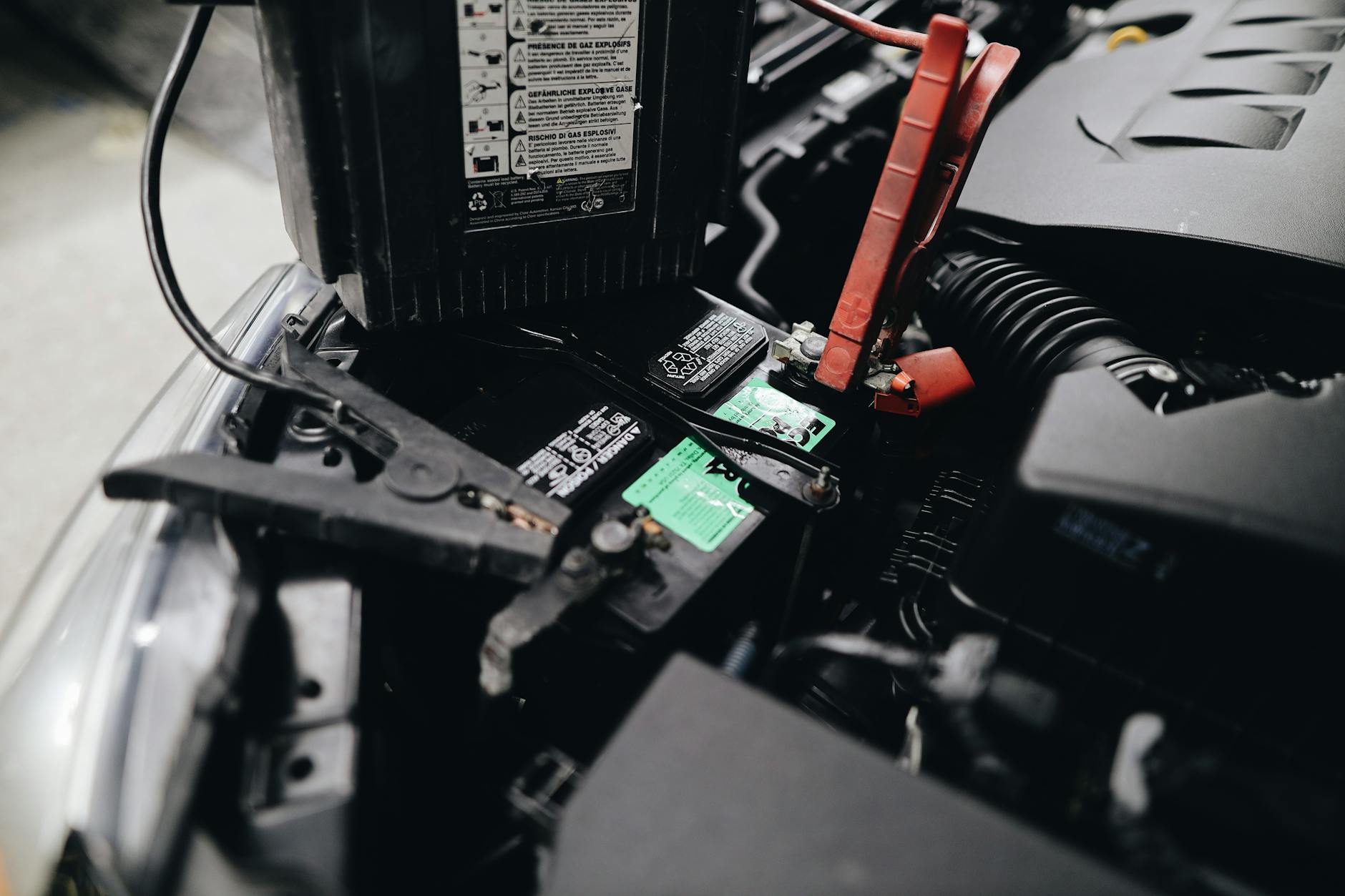
For years, battery technology has been the bottleneck for electric vehicles. Lithium-ion batteries, while effective, have limitations in energy density, safety, and longevity. Solid-state batteries, which use a solid electrolyte instead of a liquid one, promise higher energy density, faster charging, and improved safety, as reported by The Economic Times.
Major carmakers and battery startups have invested billions in solid-state research. Toyota, Ford, and Volkswagen have all announced pilot projects, but none have achieved commercial-scale production until now. Tesla's announcement marks the first time a major automaker claims to have a solid-state battery ready for mass-market vehicles.
Key Details of Tesla's Solid-State Battery
According to Tesla's chief technology officer, the new battery pack offers an energy density of 450 Wh/kg—almost double that of current lithium-ion cells. The battery can deliver an estimated 800 miles (1,287 kilometers) of range on a single charge for the upcoming Model S Ultra, and can be recharged from 10% to 80% in just 15 minutes using Tesla's V5 Superchargers.
Tesla's solid-state cells are said to have a lifespan of over 2,500 charging cycles, translating to more than 2 million miles of driving, according to internal testing data shared with The Verge. The battery also features enhanced safety, with non-flammable electrolytes reducing the risk of thermal runaway and fires.
Manufacturing and Supply Chain Innovations
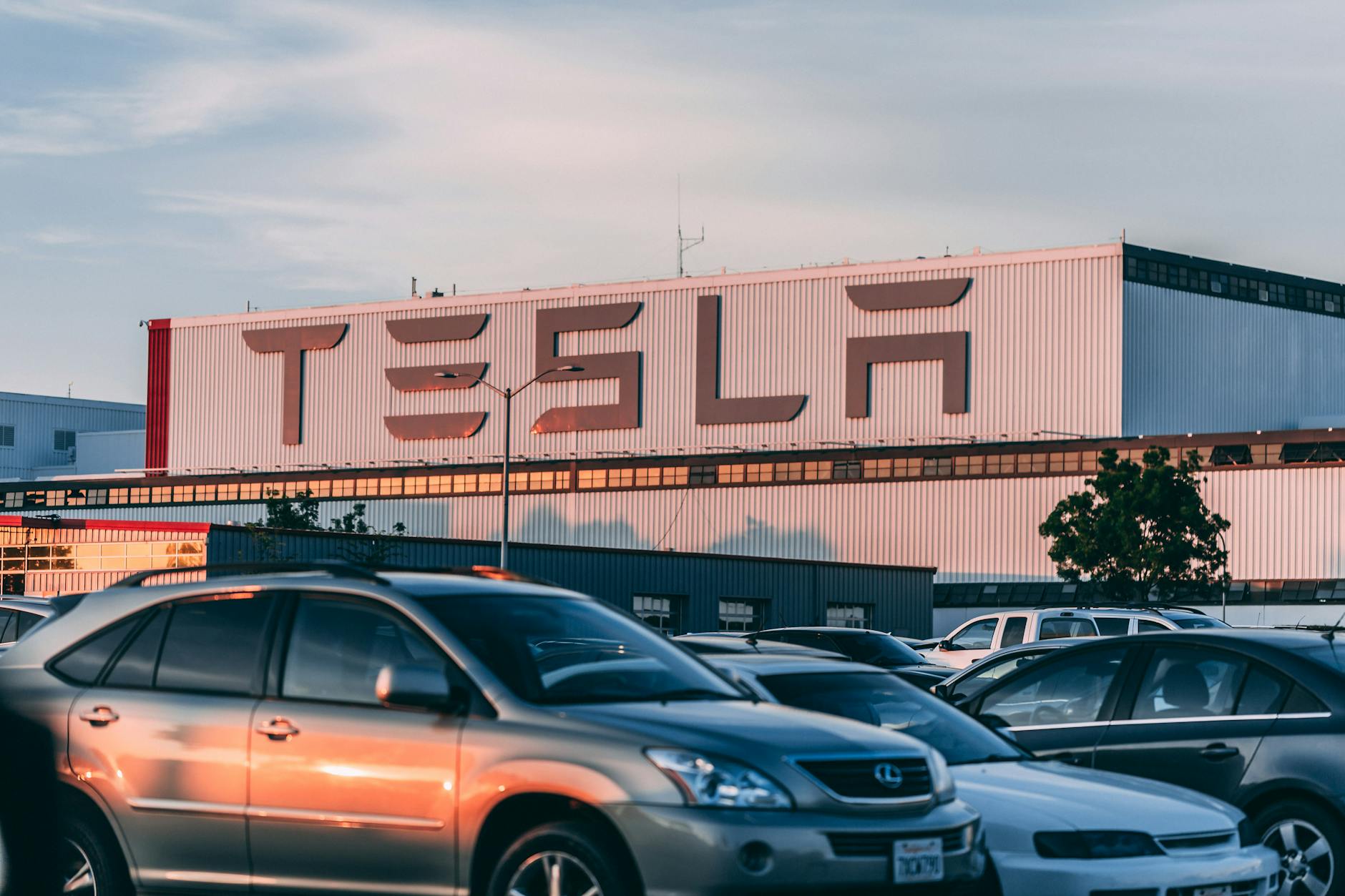
The company revealed that it has built a new Gigafactory in Nevada dedicated to solid-state cell production. Tesla claims its proprietary dry electrode manufacturing process, first hinted at during Battery Day 2020, allows for scalable, cost-effective production, reducing battery costs by 40% per kWh.
Panasonic, Tesla's long-time battery partner, confirmed its role in the new facility. QuantumScape, a leader in solid-state research, provided key intellectual property and materials expertise. The collaboration leverages advanced automation and AI-driven quality control to minimize defects and maximize output.
Industry and Market Reactions
Shares of Tesla surged 12% in after-hours trading following the announcement, while rival automakers saw mixed reactions, according to Bloomberg. Analysts at Morgan Stanley called the development "the most significant breakthrough in EV technology since the debut of lithium-ion batteries in the 1990s."
Industry experts say Tesla's move could force competitors to accelerate their own solid-state programs. Ford and Volkswagen issued statements congratulating Tesla but reaffirmed their commitment to launching solid-state vehicles by 2028. Toyota, previously seen as a frontrunner, said it would provide an update on its own solid-state roadmap later this year.

Environmental Impact and Green Technology Implications
According to the International Energy Agency (IEA), transportation accounts for nearly 16% of global greenhouse gas emissions. Tesla's new battery could accelerate the shift from internal combustion engines to EVs, reducing emissions and reliance on fossil fuels.
The solid-state battery uses less cobalt and nickel, two controversial minerals due to ethical and environmental concerns in mining. Tesla claims its new chemistry relies more on abundant materials like lithium and silicon, further lowering the environmental footprint of battery production.
Challenges and Remaining Hurdles
Despite the breakthrough, scaling up solid-state technology remains challenging. Experts warn that real-world performance, cost, and durability must be proven at scale. "It's a huge step, but mass adoption depends on consistent results and affordable pricing," said a spokesperson for the Union of Concerned Scientists.
Tesla did not disclose the cost of the new Model S Ultra, but analysts estimate a starting price of $120,000. The company said it aims to bring solid-state batteries to its mass-market Model 3 and Model Y by 2028, pending production ramp-up and cost reductions.
Government Response and Policy Implications
The U.S. Department of Energy praised Tesla's innovation, stating it aligns with federal goals to achieve net-zero emissions by 2050. The European Union also welcomed the news, noting that advanced battery technologies are key to meeting its Green Deal targets.
Several governments hinted at new incentives for solid-state EVs. The Biden administration is reportedly considering increased tax credits for vehicles using next-generation batteries, according to Politico. China, the world's largest EV market, announced plans to accelerate solid-state research funding.
What's Next: Roadmap and Industry Shifts
Tesla plans to begin deliveries of the Model S Ultra with solid-state batteries in Q4 2026. The company also announced pilot programs for heavy-duty trucks and energy storage products using the new cells. Industry observers expect a wave of solid-state announcements from other automakers in the coming months.
Experts predict that the next five years will see rapid adoption of solid-state technology across the automotive sector. Battery costs are expected to fall below $75 per kWh by 2028, making EVs cost-competitive with gasoline cars even without subsidies, according to BloombergNEF.
As the world transitions to cleaner transportation, Tesla's breakthrough could mark a pivotal moment in the global fight against climate change. The company has set ambitious targets, aiming to produce 10 million solid-state EVs annually by 2030, a figure that could dramatically reshape the automotive landscape.
Sources: Information sourced from Reuters, The Verge, The Economic Times, Bloomberg, International Energy Agency, and Politico.
Sources: Information sourced from Reuters, The Verge, The Economic Times, Bloomberg, International Energy Agency, and Politico.