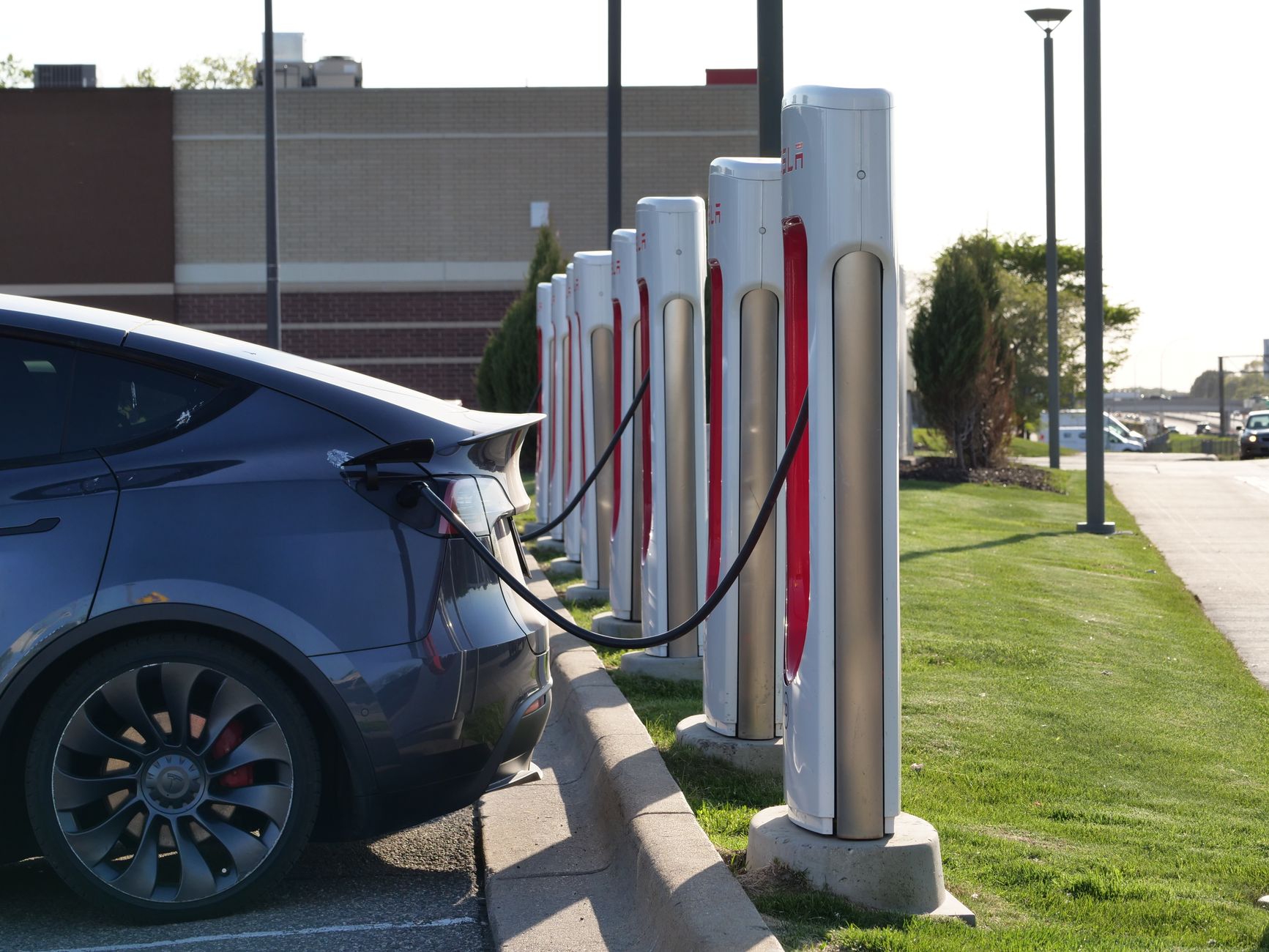
Tesla's July 2026 reveal of its solid-state battery marks a breakthrough for electric vehicles, promising longer range, faster charging, and a leap forward in green technology innovation.
Tesla announced on July 24, 2026, the launch of its next-generation solid-state battery, a breakthrough set to transform electric vehicles (EVs) with longer range and ultra-fast charging, according to Reuters and The Verge.
The announcement came during Tesla’s annual Battery Day event at its Fremont, California headquarters. CEO Elon Musk revealed the new battery technology, which is expected to debut in the Model S and Cybertruck lines by early 2027.
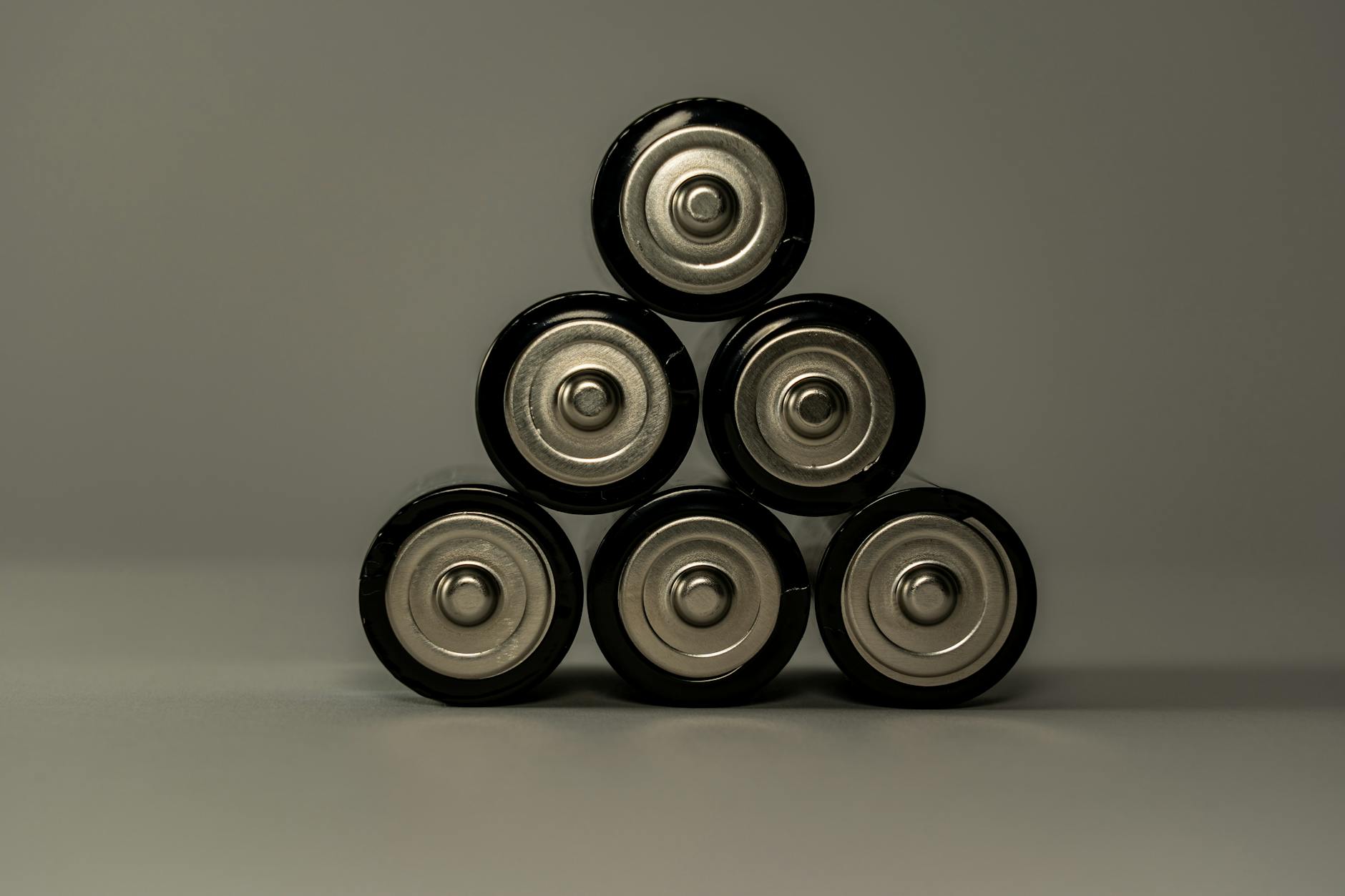
Solid-state batteries have long been considered the 'holy grail' of EV technology. Unlike conventional lithium-ion batteries, they use a solid electrolyte, which enables higher energy density, improved safety, and faster charging.
Background: The Race for Better Batteries
The global EV market has surged in recent years, with over 18 million EVs sold worldwide in 2025, according to the International Energy Agency (IEA). Battery innovation is crucial to overcoming range anxiety and charging limitations.
Traditional lithium-ion batteries, while reliable, face challenges such as limited lifespan, risk of thermal runaway, and slower charging. Automakers and tech companies have invested billions in research to develop safer, more efficient alternatives.
Solid-state batteries promise to address these challenges. Toyota, QuantumScape, and CATL have all announced progress, but Tesla’s announcement marks the first large-scale commercial deployment, as reported by The Economic Times.
Key Details of Tesla’s Solid-State Battery

Tesla claims its new solid-state battery delivers a 50% increase in energy density compared to its current 4680 lithium-ion cells. This translates to a potential range of over 800 kilometers (nearly 500 miles) on a single charge for the Model S.
Charging speeds are also dramatically improved. The battery can reportedly reach 80% charge in just 12 minutes using Tesla’s V5 Supercharger, cutting charging time by more than half, according to company data shared with Bloomberg.
Safety is another major benefit. The solid electrolyte is non-flammable, reducing the risk of fires. Tesla reports that the battery maintains 90% capacity after 2,500 charging cycles, addressing concerns about degradation over time.
Manufacturing and Supply Chain Implications
Tesla has partnered with Panasonic and a consortium of U.S. material suppliers to scale production. The company’s new Gigafactory in Nevada will be dedicated to solid-state battery manufacturing, expected to reach full capacity by late 2027.
Raw material sourcing remains a challenge. The solid-state battery uses lithium, nickel, and a proprietary ceramic electrolyte. Tesla has secured long-term contracts with North American mining firms to ensure a stable supply chain, according to The Wall Street Journal.
Industry and Market Impact
Industry analysts say Tesla’s breakthrough could accelerate EV adoption globally. Morgan Stanley projects the global EV market could double by 2030, driven by improved battery performance and falling costs.
Competing automakers, including Ford and Volkswagen, have announced plans to fast-track their own solid-state battery programs. The news has sent shares of battery technology firms surging, as reported by CNBC.
Environmental and Policy Implications
Solid-state batteries are more recyclable and use fewer toxic materials, reducing environmental impact. The U.S. Department of Energy praised Tesla’s innovation, noting it aligns with federal goals to achieve 50% EV sales by 2030.
European Union regulators have also welcomed the development, citing its potential to help meet aggressive emissions targets. The technology could play a key role in decarbonizing transport and meeting Paris Agreement commitments.
Challenges and Next Steps
Despite the promise, experts caution that scaling solid-state battery production is complex. Manufacturing yields, material costs, and long-term durability must be proven at commercial scale, according to MIT Technology Review.
Tesla plans to begin pilot production in Q4 2026, with deliveries of solid-state-equipped Model S vehicles slated for early 2027. The company will also license the technology to other automakers, aiming to accelerate industry-wide adoption.
What’s Next for Green Technology Innovation?
Tesla’s solid-state battery marks a pivotal moment in green technology. Analysts expect further breakthroughs in battery recycling, renewable energy integration, and grid storage solutions in the coming years.
As competition intensifies, consumers can expect EVs with longer range, faster charging, and lower costs. The shift to solid-state batteries may also spur advances in electric aviation and heavy transport.
Sources
Information for this article was sourced from Reuters, The Verge, The Economic Times, Bloomberg, The Wall Street Journal, CNBC, the International Energy Agency, and MIT Technology Review.
Sources: Information sourced from Reuters, The Verge, The Economic Times, Bloomberg, The Wall Street Journal, CNBC, the International Energy Agency, and MIT Technology Review.