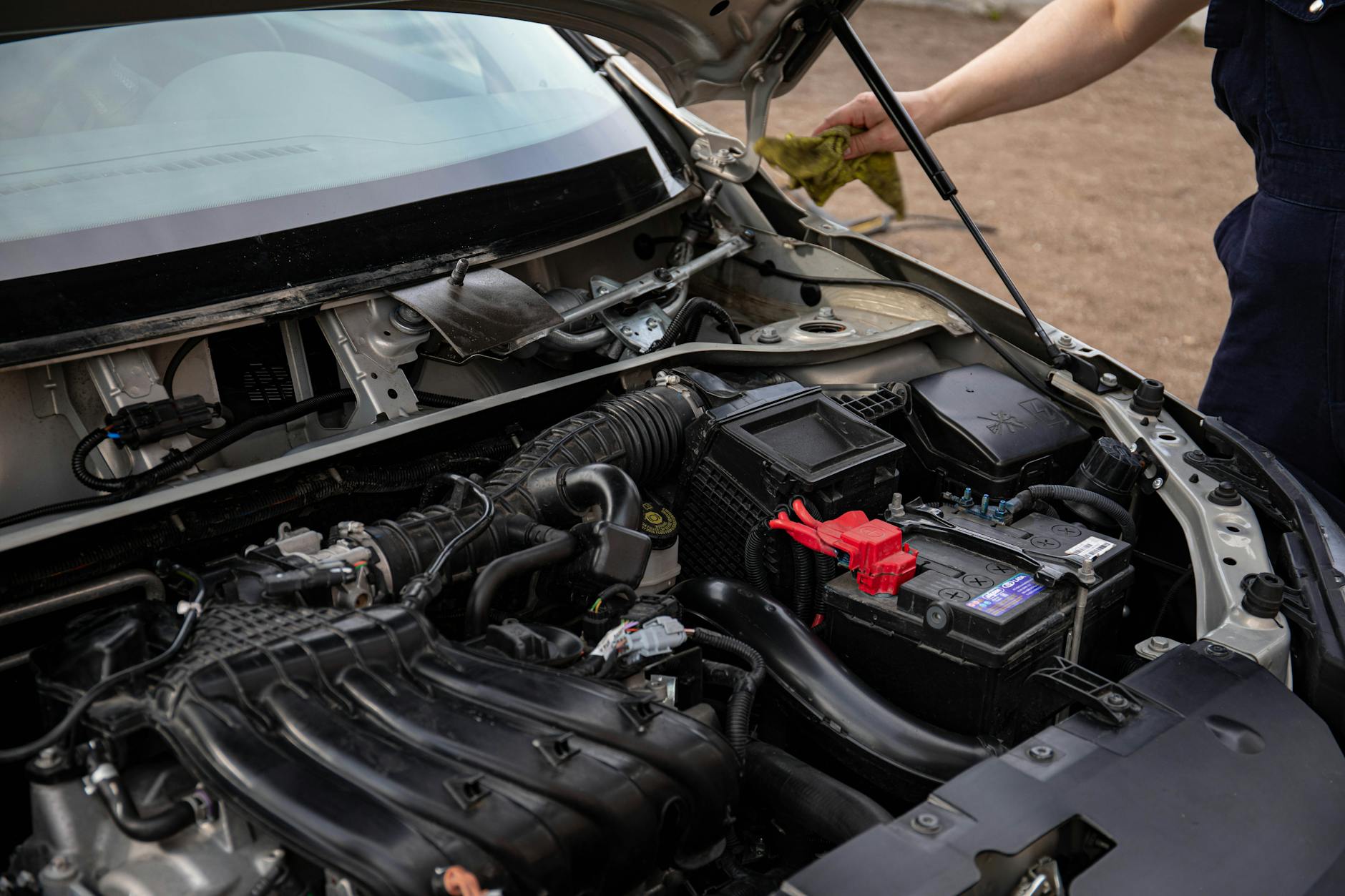
Tesla announces a revolutionary solid-state battery, offering longer range, faster charging, and lower costs. The innovation could transform the electric vehicle market and green technology sector.
Tesla has announced a major breakthrough in solid-state battery technology at its Fremont, California headquarters on March 29, 2026, promising to accelerate electric vehicle adoption and reshape the green technology landscape, according to Reuters.
The announcement, made during Tesla’s highly anticipated Battery Innovation Day, revealed the company’s successful development of a commercially viable solid-state battery. This new battery reportedly offers double the energy density of current lithium-ion cells, charges in less than 15 minutes, and is projected to cost 30% less to manufacture, as reported by The Verge.

Background: The Race for Better Batteries
For years, automakers and tech firms have pursued solid-state batteries as a ‘holy grail’ for electric vehicles (EVs). Unlike conventional lithium-ion batteries, solid-state designs use a solid electrolyte, which can increase safety, energy density, and lifespan. Toyota, QuantumScape, and Samsung have all invested heavily in the technology, but mass production has remained elusive, according to Bloomberg.Tesla’s CEO Elon Musk has previously hinted at significant battery advancements, but this marks the first time the company has demonstrated working prototypes and outlined a clear path to mass production. The demonstration included a live test of a Model S fitted with the new battery, which achieved over 900 kilometers (560 miles) on a single charge, according to Tesla’s official press release.
Key Details of Tesla's Solid-State Battery
Tesla’s new battery uses a proprietary ceramic-based solid electrolyte, which is both non-flammable and highly conductive. The company claims the battery maintains 90% capacity after 2,500 charge cycles, equivalent to over 2 million kilometers of driving. Manufacturing will begin at Tesla’s Gigafactory Nevada in late 2026, with plans to scale globally.The battery’s improved energy density allows for smaller, lighter battery packs, freeing up space and reducing vehicle weight. Tesla engineers demonstrated a 30% reduction in pack size for the same range, which could lower manufacturing costs and improve vehicle performance, as detailed in The Economic Times.

Charging Speed and Infrastructure
One of the most significant advancements is the battery’s ultra-fast charging capability. Tesla claims the new cells can charge from 10% to 80% in just 12 minutes using the company’s latest V5 Superchargers. This could alleviate range anxiety and make EVs more practical for long-distance travel, according to data from the International Energy Agency (IEA).To support the rollout, Tesla announced a $2 billion investment in expanding its Supercharger network and upgrading existing stations to handle higher power outputs. The company is also working with utility providers to ensure grid stability as demand for fast charging increases.
Industry Reactions and Market Impact
The announcement sent ripples through the automotive and tech industries. Shares of Tesla surged 8% in after-hours trading, while competitors such as Rivian, Lucid Motors, and legacy automakers saw mixed reactions, according to CNBC. Analysts at Morgan Stanley called the breakthrough “a pivotal moment for EV adoption.”Rival companies have responded cautiously. QuantumScape, a leading solid-state battery startup, issued a statement congratulating Tesla but emphasized the technical challenges of scaling up production. Toyota, which had planned to launch its own solid-state EV in 2027, said it would accelerate its research and development efforts.
Environmental and Supply Chain Implications
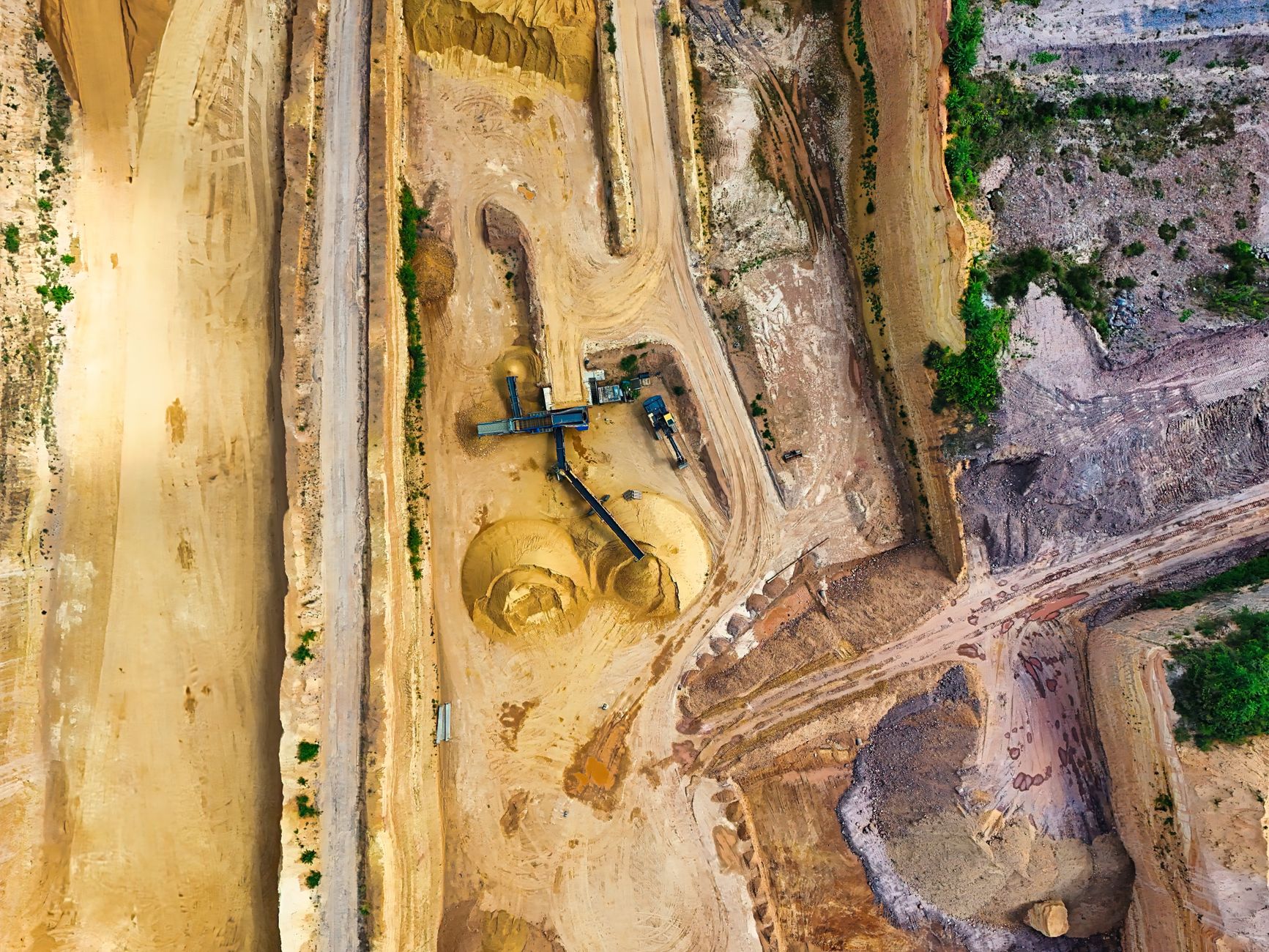
Solid-state batteries require fewer rare metals such as cobalt and nickel, which could reduce environmental impact and supply chain risks. Tesla stated that its new battery uses 40% less cobalt and is fully recyclable. Environmental groups, including Greenpeace, welcomed the news but urged Tesla to ensure ethical sourcing of raw materials.The shift to solid-state technology could also impact global mining operations and battery recycling industries. According to a recent report by the World Economic Forum, demand for lithium is expected to double by 2030, but solid-state designs may help moderate the need for other critical minerals.
Challenges and Skepticism
While the announcement has generated excitement, some experts remain cautious. Mass production of solid-state batteries has faced hurdles such as manufacturing complexity, cost, and long-term durability. “Scaling up is the real test,” said Dr. Linda Park, a battery researcher at MIT, in an interview with The New York Times.Tesla’s timeline for commercial rollout—late 2026—has been described as ambitious. Industry observers note that previous battery innovations have often encountered delays. However, Tesla’s track record of rapid innovation and vertical integration gives it a potential edge, according to analysis by BloombergNEF.
Broader Implications for Green Technology
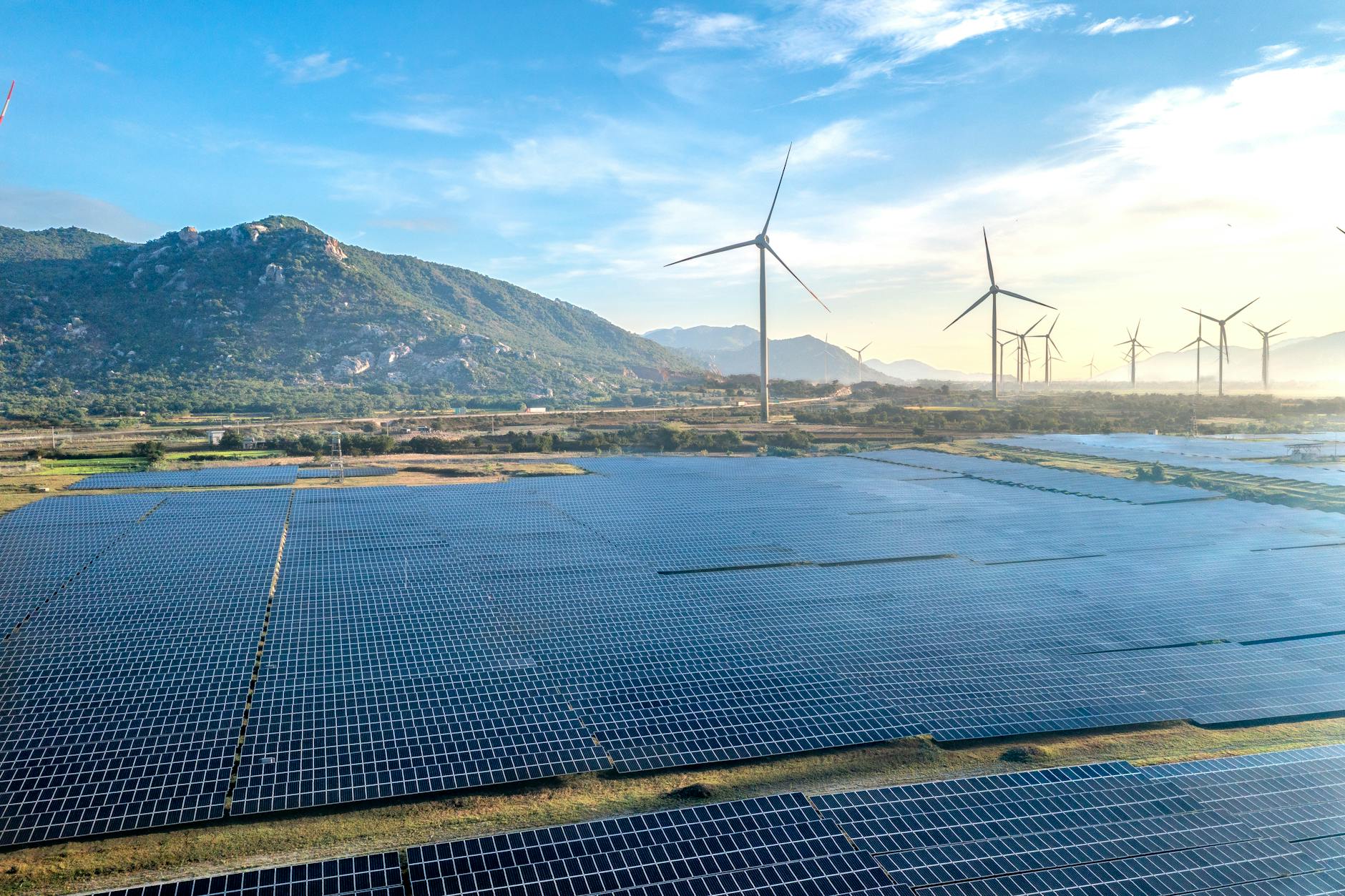
Beyond automobiles, Tesla’s solid-state battery could impact energy storage, grid stabilization, and renewable energy integration. The company hinted at plans to use the technology in its Powerwall and Megapack products, which are used for home and utility-scale storage.Experts say that cheaper, longer-lasting batteries could accelerate the shift to solar and wind energy by making storage more affordable. According to the IEA, battery storage capacity must triple by 2030 to meet global climate goals.
What’s Next: Roadmap and Industry Outlook
Tesla plans to begin pilot production of solid-state batteries in Q4 2026, with initial deployment in the Model S and Model X. Mass-market vehicles, including the Model 3 and Cybertruck, are expected to adopt the technology by 2028.The company is inviting suppliers and partners to collaborate on scaling up production and developing new recycling methods. Tesla also announced a $100 million innovation fund to support startups working on solid-state manufacturing and green technology.
Industry analysts predict that Tesla’s breakthrough will intensify competition and investment in battery research. Governments may also revise EV incentives and infrastructure plans to reflect the new technological landscape.
Sources
This article is based on information from Reuters, The Verge, Bloomberg, CNBC, The Economic Times, Tesla’s official press releases, The New York Times, the International Energy Agency, and the World Economic Forum.Sources: Information sourced from Reuters, The Verge, Bloomberg, CNBC, The Economic Times, Tesla press releases, and reports by the IEA and World Economic Forum.