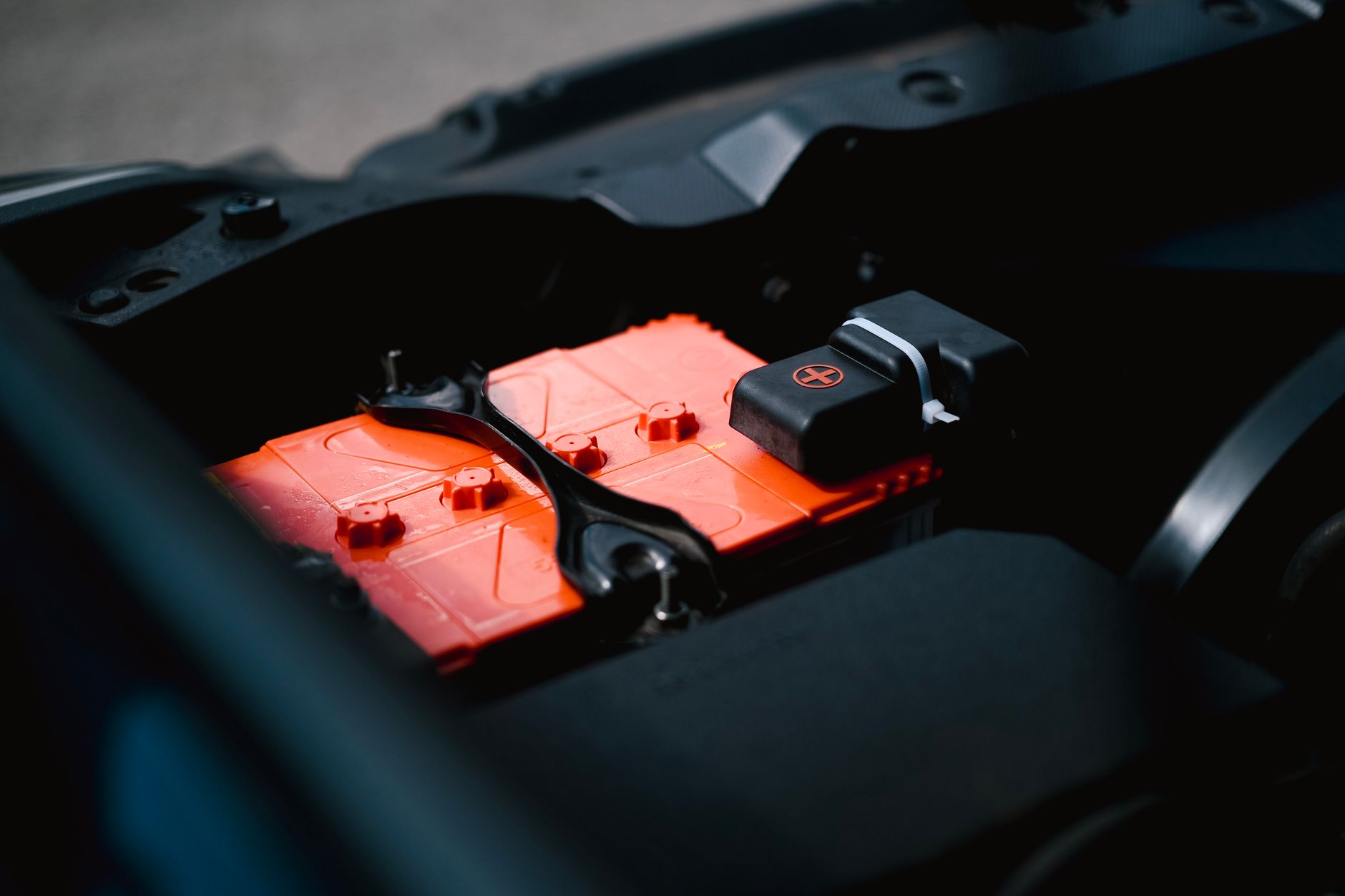
Tesla announces a major solid-state battery innovation, set to revolutionize electric vehicles with longer range, faster charging, and improved safety. Industry experts weigh in on the global impact.
Palo Alto, CA — July 14, 2026: Tesla Inc. has announced a breakthrough in solid-state battery technology, promising to redefine electric vehicles (EVs) with longer driving ranges, ultra-fast charging, and enhanced safety, according to a company press release and coverage by Reuters.
The announcement came during Tesla’s annual Battery Innovation Day, where CEO Elon Musk revealed that the new solid-state batteries will be integrated into select vehicle models by early 2027. This innovation is expected to significantly boost Tesla’s market position and accelerate the global shift to green transportation.
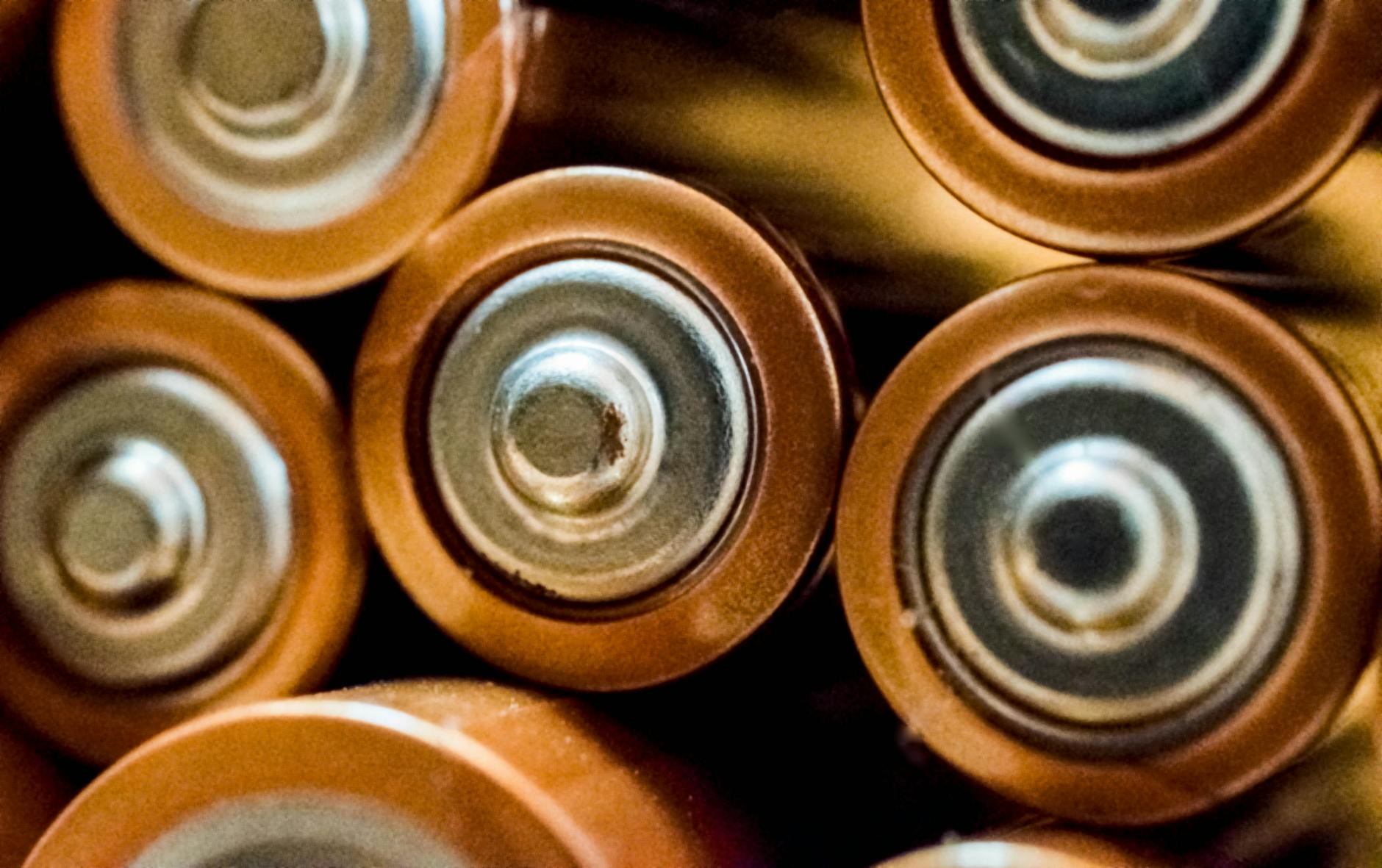
Solid-state batteries, long considered the 'holy grail' of EV technology, replace the liquid electrolytes found in traditional lithium-ion batteries with solid materials. This change enables higher energy densities, reduced fire risk, and a longer lifespan, as reported by The Verge.
Background: The Race for Better Batteries
For years, automakers and tech firms have been locked in a race to develop solid-state batteries that can outperform conventional lithium-ion cells. Toyota, QuantumScape, and Samsung have all invested billions, but mass production has remained elusive due to manufacturing and material challenges, according to Bloomberg.
Tesla’s announcement marks the first time a major automaker has committed to deploying solid-state batteries in commercial vehicles within a defined timeline. Industry analysts say this could trigger a new wave of investment and innovation across the sector.
Key Details of Tesla’s Solid-State Battery
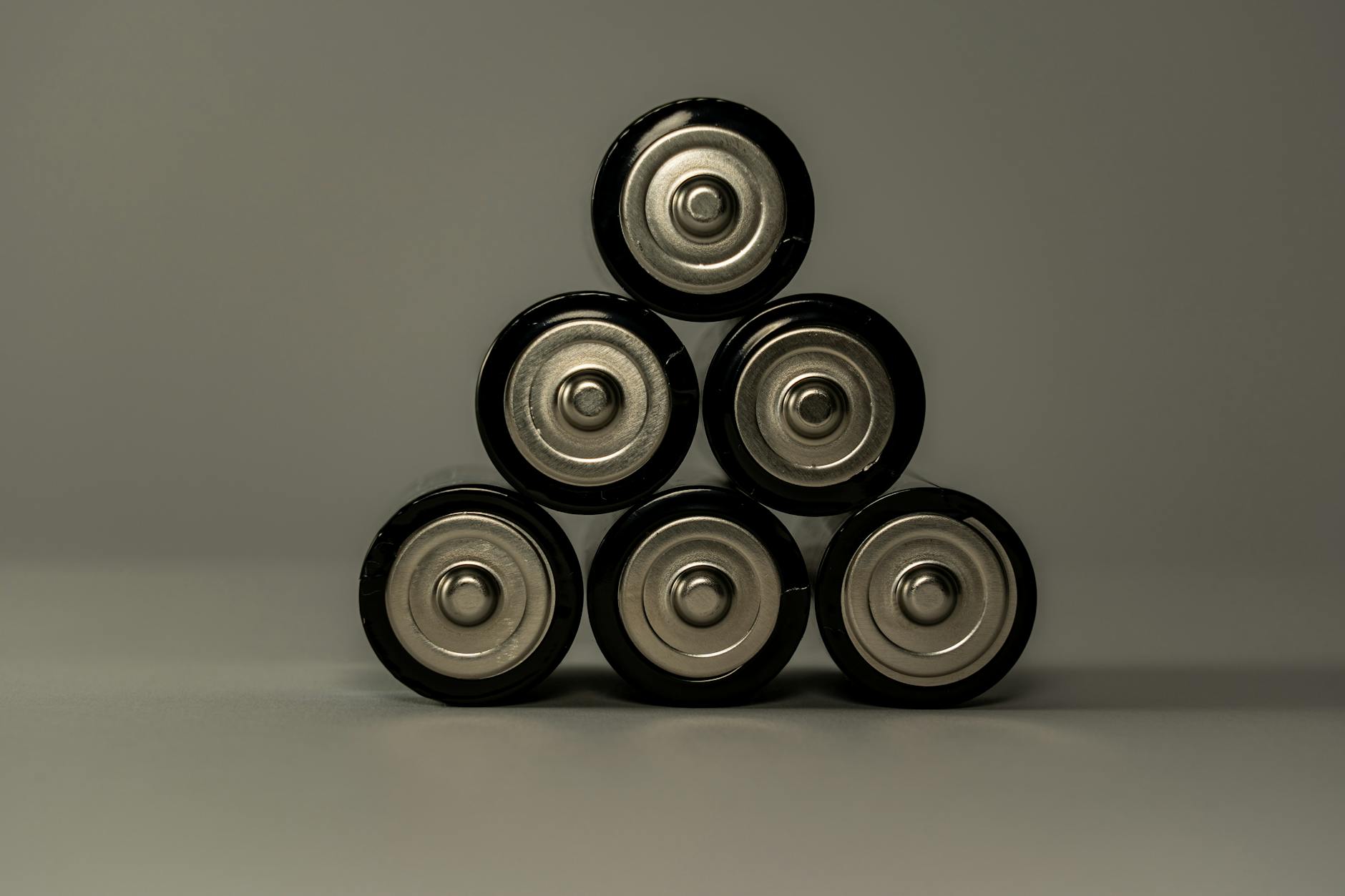
According to Tesla’s technical briefing, the new battery cells deliver an energy density of 500 Wh/kg—nearly double that of current lithium-ion cells. This translates to a projected range of up to 900 kilometers (560 miles) on a single charge for the upcoming Model S variant.
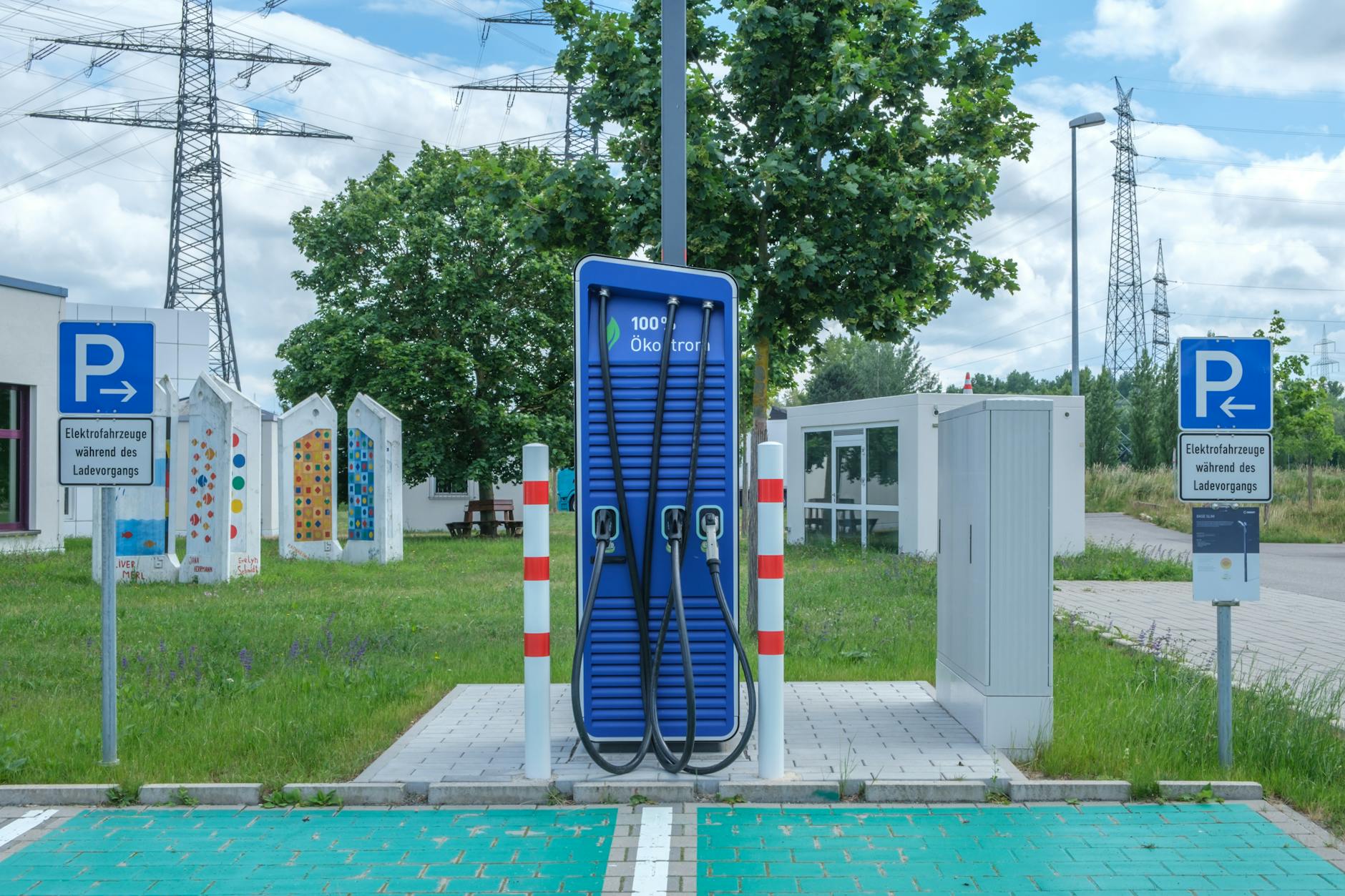
Charging speeds are also set to improve dramatically. Tesla claims the new cells can be charged from 10% to 80% in just 12 minutes, a significant reduction compared to today’s fastest superchargers, which require 25-30 minutes for a similar charge, as noted by Electrek.
Safety enhancements are another highlight. Solid electrolytes are non-flammable, reducing the risk of thermal runaway and fires—a concern that has plagued lithium-ion EVs in rare but high-profile incidents, as documented by the National Transportation Safety Board.
Manufacturing and Supply Chain Implications
Tesla’s new battery will be manufactured at its Gigafactory Texas, with plans to ramp up production to 100 GWh annually by 2028. The company has secured supply agreements for key materials such as lithium, nickel, and solid-state electrolytes, according to The Wall Street Journal.
The shift to solid-state technology will require new manufacturing processes and equipment. Tesla is investing $3 billion in retooling its battery lines and training staff, with support from the U.S. Department of Energy’s Advanced Manufacturing Office.
Industry and Market Impact
Industry experts predict Tesla’s move will pressure competitors to accelerate their own solid-state programs. Morgan Stanley analysts estimate that solid-state batteries could capture 30% of the EV market by 2030 if technical and cost hurdles are overcome.
Shares of Tesla rose 8% in after-hours trading following the announcement. Rival automakers, including General Motors and Volkswagen, have also reaffirmed their commitments to next-generation battery research in response to Tesla’s news.
The breakthrough is expected to lower the total cost of EV ownership. Tesla projects that vehicles equipped with the new batteries will be priced on par with gasoline cars by 2028, further accelerating consumer adoption, as reported by CNBC.
Environmental and Policy Implications
Solid-state batteries are also less reliant on cobalt, a material associated with environmental and ethical concerns in mining. This shift supports global efforts to make EV supply chains more sustainable, according to a recent International Energy Agency (IEA) report.
Governments worldwide are expected to respond with updated incentives and regulations. The U.S. Department of Energy praised Tesla’s innovation, calling it a 'major milestone' toward the Biden administration’s goal of 50% EV sales by 2030.
What’s Next for Tesla and the EV Industry?
Tesla plans to begin pilot production of solid-state battery packs in Q4 2026, with commercial rollout slated for early 2027. The company will initially deploy the technology in high-end models before expanding to mass-market vehicles.
Other automakers are expected to accelerate their solid-state battery programs. Analysts predict a wave of partnerships and acquisitions as the industry races to keep pace with Tesla’s innovation.
Consumers can expect to see EVs with longer ranges, faster charging, and greater safety within the next two years. The solid-state revolution could also extend to energy storage, aviation, and other sectors, further driving the transition to a low-carbon economy.
Sources: Reuters, The Verge, Bloomberg, Electrek, The Wall Street Journal, CNBC, International Energy Agency, U.S. Department of Energy, National Transportation Safety Board, Morgan Stanley.
Sources: Information sourced from Reuters, The Verge, Bloomberg, The Wall Street Journal, and official statements from Tesla and the U.S. Department of Energy.