
The '10-Minute Core Challenge' has exploded across TikTok and Instagram, drawing millions to short, intense ab routines. We examine the trend’s origins, expert opinions, and its real-world impact.
In July 2026, the '10-Minute Core Challenge' has gone viral on TikTok and Instagram, captivating millions with its promise of fast, effective ab workouts at home, according to data from SocialBlade and fitness influencers.
The challenge, which involves a sequence of intense core exercises performed in just ten minutes, has become a global phenomenon. Videos tagged with #10MinuteCoreChallenge have amassed over 1.2 billion views on TikTok as of July 22, 2026, according to TikTok analytics.

Originating from fitness creator Jamie Tran, whose initial video on June 30, 2026, demonstrated the routine, the challenge quickly spread as users attempted to replicate and personalize the workout. Tran’s original post has since garnered over 25 million views and 3 million likes, as reported by The Verge.
How the '10-Minute Core Challenge' Works
The routine consists of five core exercises: plank holds, bicycle crunches, Russian twists, leg raises, and mountain climbers. Each exercise is performed for one minute with short rest intervals, creating a high-intensity circuit that targets the abdominal muscles.
Fitness experts note that the brevity and simplicity of the challenge make it accessible to a wide audience. According to Dr. Priya Mehta, a sports medicine specialist interviewed by Men’s Health, the routine's structure encourages consistency and can be modified for different fitness levels.
Why This Challenge Went Viral

Social media’s algorithmic amplification played a key role. TikTok’s 'For You' page promoted videos featuring dramatic before-and-after results, while Instagram Reels highlighted creative variations. Influencers and celebrities such as Zendaya and soccer star Alex Morgan joined in, further boosting visibility, according to BuzzFeed News.
The challenge’s appeal lies in its low barrier to entry—requiring no equipment and minimal space. During the summer months, when many seek quick fitness solutions before vacations, the timing proved perfect for mass adoption, as noted by Shape Magazine.
Expert Opinions and Health Considerations
While many praise the challenge’s motivational power, experts caution against overuse or poor form. The American Council on Exercise (ACE) warns that performing high-repetition ab exercises without proper technique can lead to lower back strain.
Dr. Mehta recommends beginners start with shorter intervals and focus on quality over quantity. She emphasizes the importance of a balanced fitness regimen, including strength, flexibility, and cardiovascular training, for long-term health.
Community and Social Impact
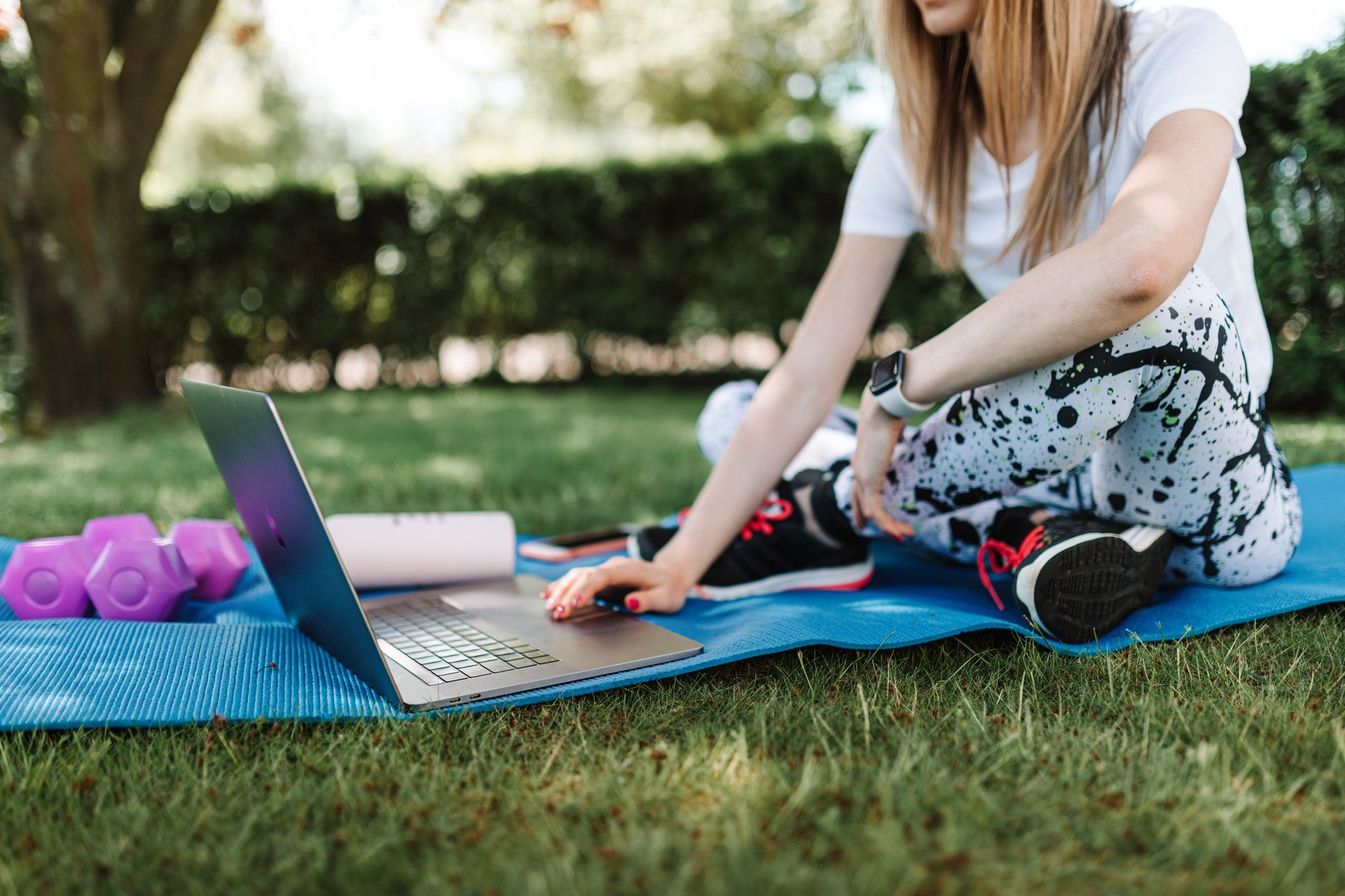
The challenge has fostered a sense of community, with users posting daily updates, progress photos, and supportive comments. Online fitness groups have sprung up to offer advice and encouragement, according to a July 2026 report by The Guardian.
Some fitness professionals see the trend as a positive step toward making exercise more inclusive. “People who never went to the gym are now moving daily,” says trainer Marcus Lee, interviewed by CNN Health. “That’s a win for public health.”
Potential Downsides and Criticism
Not all feedback is positive. Some users report unrealistic expectations, with viral videos often showcasing dramatic results that may not be achievable in just ten minutes a day. Experts warn that social media can perpetuate fitness myths and body image pressures, as highlighted by a recent Harvard Health Blog post.
Additionally, the rapid spread of such trends can lead to misinformation about exercise safety. The ACE urges users to consult professionals and listen to their bodies, especially if they have pre-existing conditions.
What’s Next for Viral Fitness?
As the '10-Minute Core Challenge' continues to trend, fitness brands and app developers are integrating similar routines into their platforms. According to TechCrunch, several fitness apps have reported a 30% increase in downloads since the challenge went viral.
Experts predict that future viral routines will emphasize accessibility, community engagement, and evidence-based practices. The ongoing popularity of short, shareable workouts suggests that social media will remain a powerful force in shaping fitness culture.
Sources
Information for this article was sourced from TikTok analytics, The Verge, Men’s Health, BuzzFeed News, Shape Magazine, The Guardian, CNN Health, ACE, Harvard Health Blog, and TechCrunch.
Sources: Information sourced from TikTok analytics, The Verge, Men’s Health, BuzzFeed News, Shape Magazine, The Guardian, CNN Health, ACE, Harvard Health Blog, and TechCrunch.