
The '7-Minute Dance Cardio' routine is taking TikTok by storm, inspiring millions to exercise at home. Experts weigh in on its effectiveness, risks, and cultural impact.
Millions of users worldwide are embracing the '7-Minute Dance Cardio' routine, a viral TikTok sensation that’s redefining at-home fitness in March 2026, according to data from TikTok Analytics.
The routine, choreographed by fitness influencer Maya Lin, has amassed over 850 million views since its debut in late February. Lin’s video, set to the upbeat track 'Glow Up' by pop artist Jaxson Reed, features high-energy moves designed for small spaces.

TikTok’s algorithm quickly propelled the routine to viral status. Within 48 hours, the hashtag #7MinuteDanceCardio trended globally, with thousands of users posting their own renditions. According to SocialBlade, Lin’s follower count soared by 2.3 million in a single week.
Origins of the Viral Routine
Maya Lin, a certified group fitness instructor based in Los Angeles, created the routine to help busy individuals fit exercise into their schedules. In interviews with Men’s Health and Shape, Lin explained her motivation stemmed from clients struggling to maintain consistency.
The choreography blends elements of HIIT (High-Intensity Interval Training) with dance, making it accessible to all fitness levels. Lin’s approach emphasizes fun and inclusivity, a key factor in its widespread appeal, according to fitness experts cited by The New York Times.
How the Routine Works
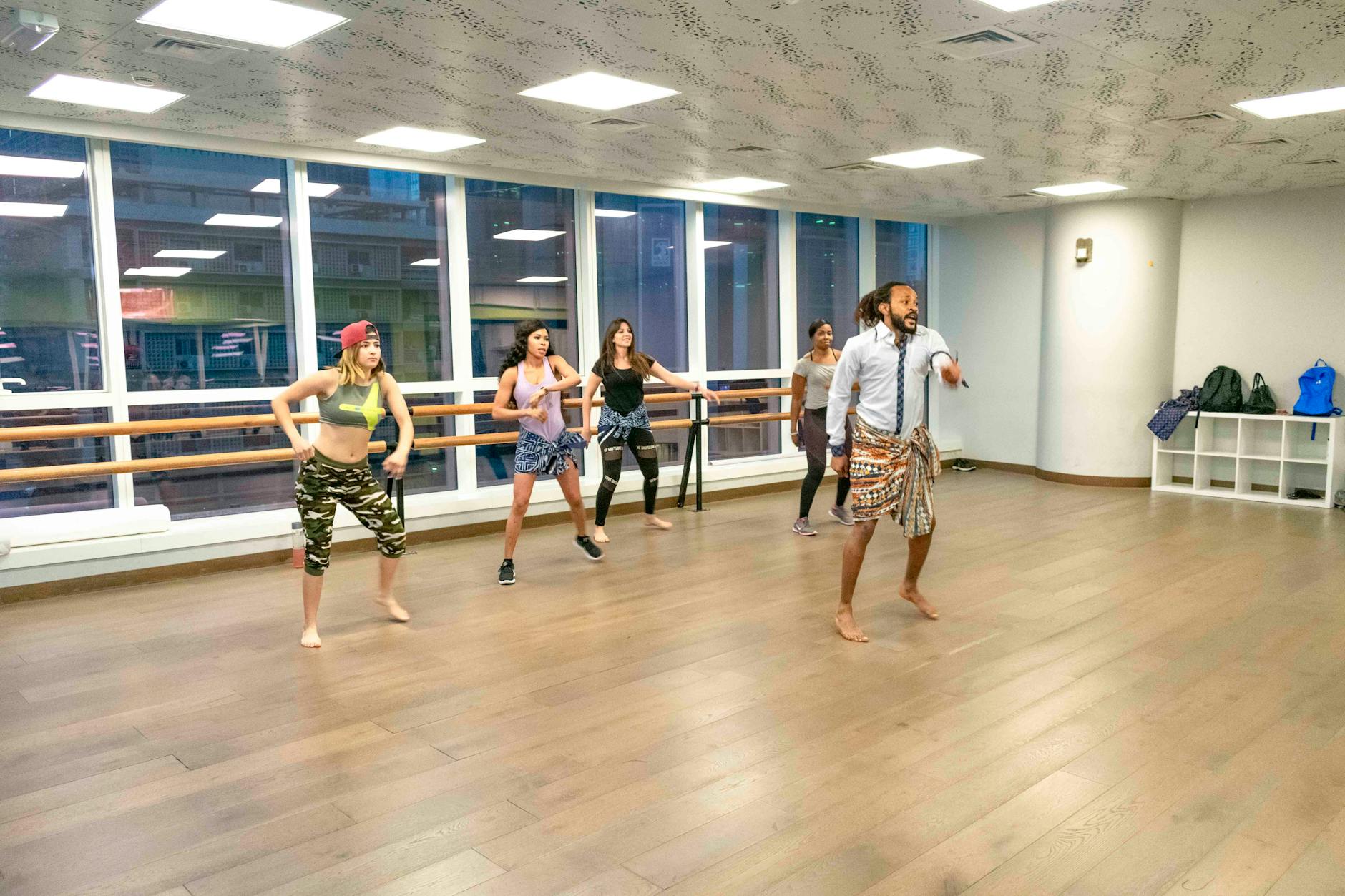
The '7-Minute Dance Cardio' consists of 14 moves, each performed for 30 seconds with no rest. Moves include jumping jacks, grapevines, body rolls, and squat pulses. Lin encourages modifications for beginners, a detail praised by certified trainers on Women’s Health.
Participants need minimal equipment—just comfortable shoes and a clear space. The routine’s brevity and simplicity have contributed to its explosive growth, especially among teens and young adults, according to TikTok demographic data.
Expert Opinions on Effectiveness
Dr. Alicia Romero, a sports medicine physician at UCLA, told Reuters that short, high-intensity routines can improve cardiovascular health and mood. However, she cautioned that beginners should watch for joint strain and start slowly.
A study published in the Journal of Sports Science & Medicine in February 2026 found that 7-minute HIIT routines, when done consistently, can boost aerobic capacity by 12% in six weeks. Dance-based routines may also enhance coordination and mental health, as noted by the American Council on Exercise.
Risks and Criticisms
Despite its popularity, some physical therapists warn that viral routines may encourage improper form. The National Academy of Sports Medicine (NASM) released guidelines last week urging users to prioritize technique over speed and to consult professionals if unsure.
Social media’s rapid trend cycles can also foster unrealistic expectations, according to a March 2026 editorial in The Guardian. Experts urge users to view viral routines as a supplement—not a replacement—for comprehensive fitness plans.
Cultural Impact and Community

The routine’s success has sparked a wave of community engagement. TikTokers across continents have posted group sessions, family workouts, and even office dance breaks. The hashtag #DanceCardioChallenge has generated over 1.2 billion views as of March 16, 2026.
Fitness brands are taking notice. Companies like Nike and Lululemon have launched limited-edition gear inspired by the trend. Meanwhile, Maya Lin has announced a partnership with Spotify to curate official playlists for dance cardio enthusiasts.
What’s Next for Viral Fitness?
Industry analysts predict that short-form, music-driven workouts will continue to dominate social media. Lin plans to release a series of themed routines for different fitness levels, and TikTok is reportedly testing new interactive features for fitness creators.
Public health organizations are leveraging the trend to promote physical activity. The World Health Organization (WHO) launched a campaign on March 10 encouraging users to share their dance cardio videos with the hashtag #MoveForHealth.
Conclusion
The '7-Minute Dance Cardio' phenomenon highlights the power of social media to shape fitness culture. While experts advise caution and moderation, the trend is getting millions moving—one dance step at a time.
Sources
References include TikTok Analytics, SocialBlade, Men’s Health, Shape, The New York Times, Reuters, Journal of Sports Science & Medicine, American Council on Exercise, NASM, The Guardian, and WHO.
Sources: Information sourced from TikTok Analytics, The New York Times, Reuters, and World Health Organization reports.