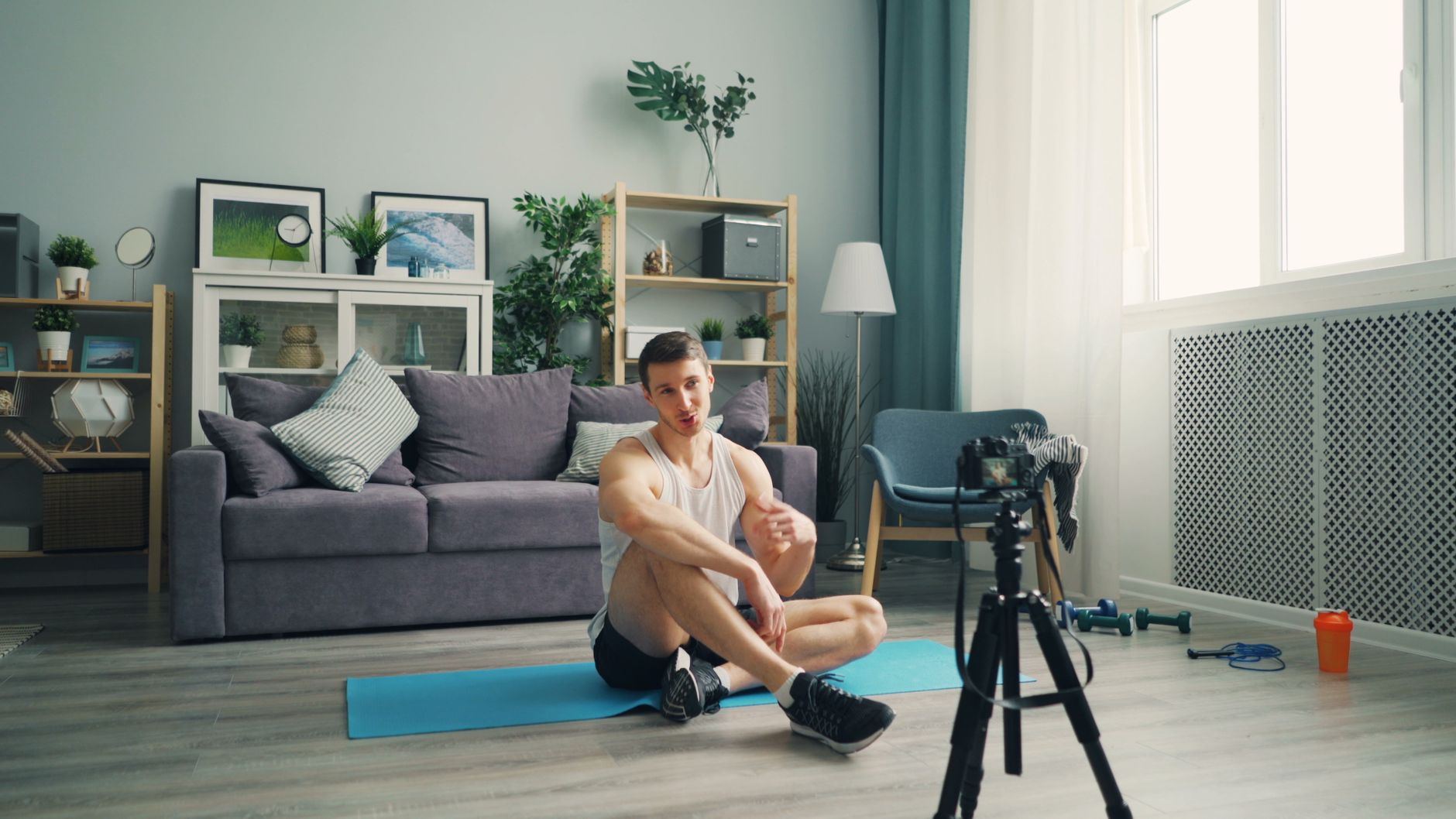
The '7-Minute Sculpt' workout is taking TikTok by storm, drawing millions of views and sparking debate among fitness experts about its effectiveness and safety for everyday users.
In July 2026, TikTok’s ‘7-Minute Sculpt’ challenge has exploded in popularity, captivating millions worldwide with its promise of fast, effective home workouts—while raising questions among fitness professionals about its safety and long-term benefits.
The viral trend centers on a high-intensity, bodyweight workout routine that claims to deliver full-body results in just seven minutes a day. According to TikTok analytics platform TrendTok, the hashtag #7MinuteSculpt has amassed over 850 million views in the past three weeks.

Originating from fitness influencer Maya Chen, whose original video posted on June 28 now boasts 42 million views, the routine features rapid-fire squats, push-ups, planks, and jumping jacks. The challenge’s appeal lies in its accessibility—no equipment or gym membership required.
How the Challenge Works
Participants perform seven exercises, each for 45 seconds with a 15-second rest in between. The exercises are designed to target major muscle groups and keep the heart rate elevated, promising both strength and cardio benefits.
Maya Chen’s video provides modifications for beginners and advanced users, encouraging inclusivity. The routine’s brevity and adaptability have contributed to its rapid adoption, especially among young adults balancing busy schedules.
Social Media Impact and Community Response

Thousands of users have posted their own #7MinuteSculpt attempts, sharing progress updates and creative variations. According to SocialBlade, Chen’s follower count has tripled to 9.1 million since the challenge began trending.
Fitness communities on Reddit and Instagram have also embraced the trend, with some users reporting increased motivation and improved consistency in their exercise routines. The challenge’s shareability and visible results have fueled its viral momentum.
Expert Opinions: Effective or Overhyped?
However, fitness professionals urge caution. Dr. Lisa Raymond, a sports medicine specialist at NYU Langone, told Reuters, “While short, high-intensity routines can boost cardiovascular health, they may not be suitable for everyone—especially those with underlying conditions.”
A study published in the Journal of Sports Science & Medicine in May 2026 found that brief, daily HIIT routines can improve aerobic capacity and muscular endurance, but also noted a higher risk of injury among beginners who skip proper warm-ups.
Debate Over Safety and Sustainability

Physical therapists have expressed concerns about form and technique, especially with millions copying moves from short-form videos. “We’re seeing more cases of wrist and knee strain,” said physical therapist Jordan Ellis in an interview with The Economic Times.
Maya Chen has responded to criticism by posting follow-up videos emphasizing the importance of warm-ups, cool-downs, and listening to one’s body. She also encourages viewers to consult healthcare professionals before starting any new fitness program.
Why the Trend Resonates Now
The surge in home-based fitness routines follows ongoing concerns about gym safety and convenience. According to a 2026 Statista survey, 61% of adults aged 18-35 prefer exercising at home, citing time savings and flexibility as top reasons.
Mental health experts also highlight the psychological benefits of short, achievable routines. “Quick wins like the ‘7-Minute Sculpt’ can reinforce positive habits and boost self-esteem,” said psychologist Dr. Aisha Patel to BBC News.
What’s Next for Viral Fitness?
As the challenge continues to trend, brands and fitness apps are launching their own versions. Industry analysts predict a wave of similar micro-workout routines, leveraging social media’s reach to engage global audiences.
Experts recommend that users combine viral routines with balanced nutrition, adequate rest, and gradual progression to avoid burnout and injury. The American Council on Exercise advises integrating variety and professional guidance for optimal results.
Sources
Information sourced from Reuters, The Economic Times, Statista, BBC News, Journal of Sports Science & Medicine, SocialBlade, and the American Council on Exercise.Sources: Information sourced from Reuters, The Economic Times, Statista, BBC News, Journal of Sports Science & Medicine, SocialBlade, and the American Council on Exercise.