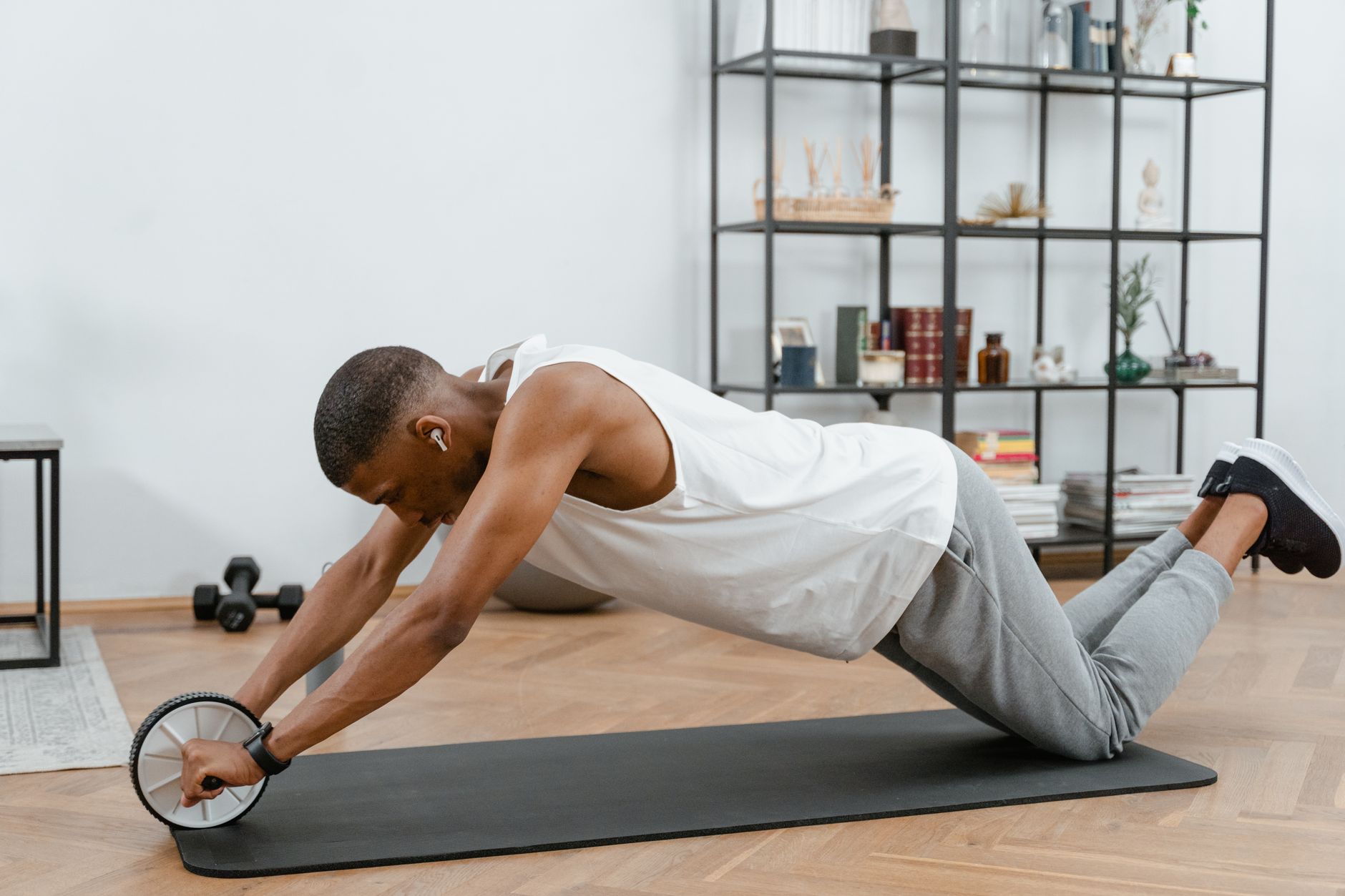
A new ‘7-Minute Standing Abs’ workout has exploded on TikTok, drawing millions of views and sparking debate among fitness experts about its effectiveness and safety for everyday users.
Millions of TikTok users are embracing the ‘7-Minute Standing Abs’ workout, a fitness routine that has gone viral in July 2026, sparking both enthusiasm and scrutiny from health professionals.
The trend began earlier this month when fitness influencer Maya Chen (@MayaMoves) posted her daily standing abs routine. Within days, her video amassed over 45 million views, according to TikTok analytics.
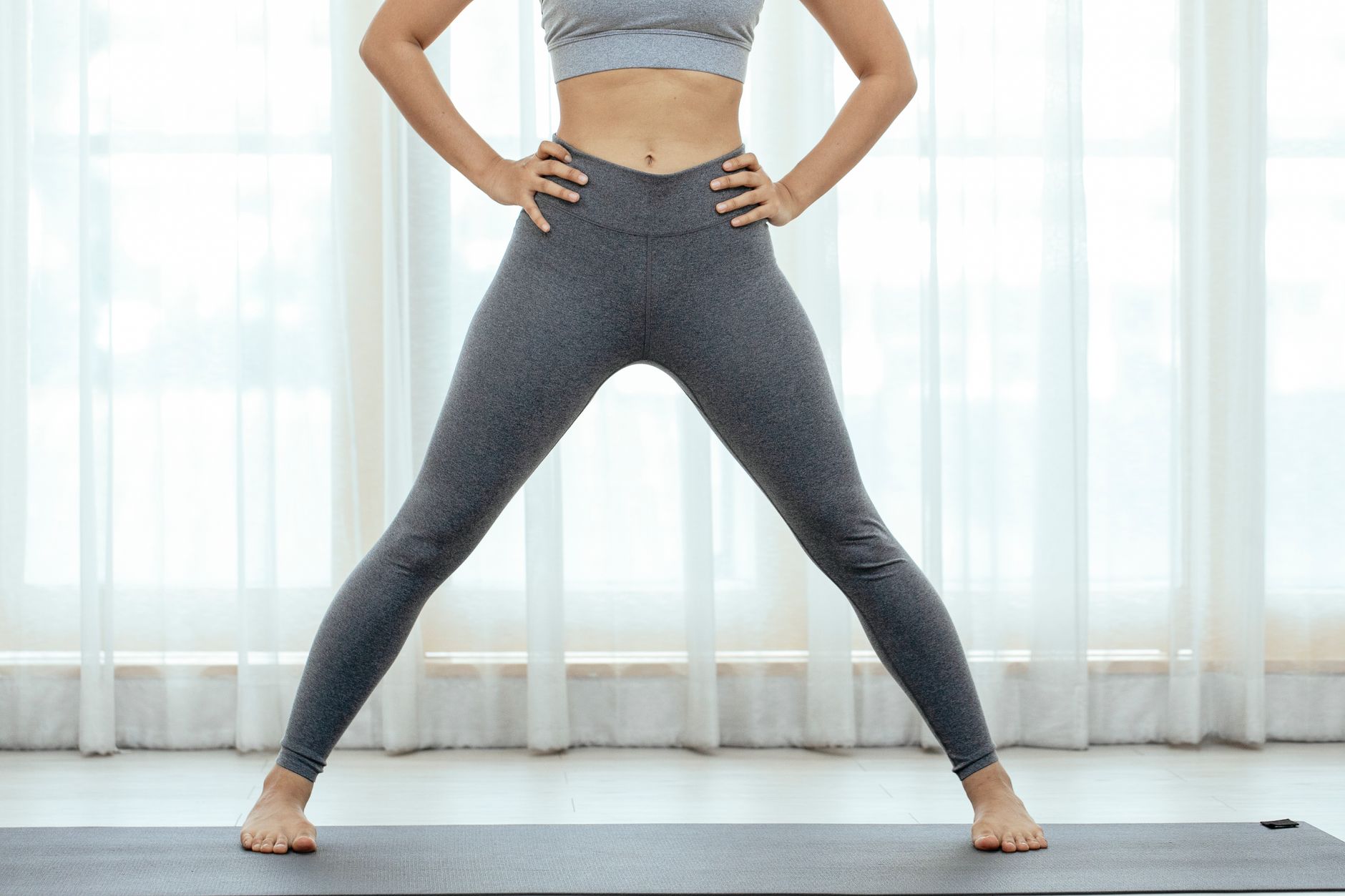
Unlike traditional ab workouts that require floor exercises, this routine focuses on upright movements, making it accessible for people with limited space or mobility, as highlighted by The Verge.
How the ‘7-Minute Standing Abs’ Trend Took Off
Maya Chen’s original video features a sequence of high-knee marches, standing twists, side crunches, and oblique reaches, all performed without equipment. The video’s upbeat music and easy-to-follow instructions contributed to its rapid spread.
By July 15, the hashtag #StandingAbsChallenge had accumulated over 400 million views, with thousands of users posting their own attempts and progress updates, as reported by BuzzFeed News.

Fitness brands and gyms quickly joined the trend, creating their own versions and live-streaming group sessions. Even celebrities like singer Ava Reyes and NBA star Jordan Miles posted their routines, further fueling the craze.
Why Standing Workouts Are Resonating Now
Experts suggest the appeal lies in the workout’s convenience and inclusivity. Dr. Serena Patel, a sports medicine specialist, told CNN Health, “Standing routines reduce strain on the neck and back, making them suitable for more people.”
The trend also aligns with a broader shift toward quick, equipment-free fitness solutions. According to a 2026 report from the American Council on Exercise, over 60% of adults now prefer short, at-home workouts.
Effectiveness and Criticism
While many users report improved core strength and posture, some fitness professionals caution against expecting dramatic results. “Seven minutes can boost motivation, but it won’t replace comprehensive training,” said trainer Lisa Gomez to Men’s Health.
Physical therapists warn that improper form, especially during twisting motions, could lead to muscle strains. The American Physical Therapy Association recommends beginners focus on slow, controlled movements and consult a professional if unsure.
Social Media’s Role in Fitness Trends

Social platforms like TikTok have become powerful drivers of wellness trends. According to Pew Research Center, 72% of Gen Z adults now discover new fitness routines through social media, up from 54% in 2023.
Viral challenges often create a sense of community and accountability. Users share before-and-after photos, tips, and encouragement, making fitness more accessible and less intimidating for beginners.
Potential Downsides and Safety Concerns
Despite their popularity, viral routines can spread misinformation. Some videos exaggerate results or skip important safety cues. The Mayo Clinic advises viewers to cross-check fitness advice with reputable sources.
There are also concerns about inclusivity. While standing routines are accessible for many, they may not suit individuals with certain disabilities or chronic pain. Advocates urge creators to include modifications and disclaimers.
What’s Next for Viral Fitness?
Industry analysts predict that short-form, equipment-free workouts will continue to dominate social media. Fitness app downloads rose 18% in July 2026, according to Sensor Tower, with many apps featuring standing routines.
Experts encourage users to view viral workouts as a starting point, not a complete fitness solution. “Social media can inspire movement, but balanced routines and professional guidance remain essential,” said Dr. Patel.
Sources
References for this article include TikTok analytics, The Verge, BuzzFeed News, CNN Health, the American Council on Exercise, Men’s Health, the American Physical Therapy Association, Pew Research Center, the Mayo Clinic, and Sensor Tower.
Sources: Information sourced from TikTok analytics, The Verge, BuzzFeed News, CNN Health, and reports from the American Council on Exercise and Pew Research Center.