Central China faces historic flooding after record-breaking rains in July 2026, prompting urgent rescue efforts, exposing infrastructure gaps, and offering critical lessons for disaster preparedness and climate resilience.
Central China is reeling from catastrophic floods after record-breaking rainfall inundated Henan and Hubei provinces in late July 2026, forcing mass evacuations and raising urgent questions about disaster readiness and climate adaptation.
According to Xinhua News Agency, more than 1.2 million people have been displaced and at least 330 reported dead or missing after torrential rains caused rivers to overflow and urban drainage systems to fail across multiple cities.

The deluge began on July 25, 2026, when a slow-moving monsoon system dumped over 600 millimeters of rain in 48 hours on Zhengzhou, Wuhan, and surrounding areas—an event the China Meteorological Administration called a 'once-in-a-millennium' occurrence.
Background: A Region Prone to Water Extremes
Central China is traversed by the Yangtze and Yellow Rivers, making it historically vulnerable to both droughts and floods. The region has seen major flood disasters before, most recently in 2021, but this year's event eclipsed previous records, according to the South China Morning Post.
Rapid urbanization has increased the risk, as impermeable surfaces and dense development hamper natural drainage. The World Bank has previously warned that Chinese cities face mounting flood risks due to climate change and infrastructure lag.
Key Details: The 2026 Flood Unfolds
On July 26, Zhengzhou's subway system flooded within minutes, trapping hundreds underground. Emergency services rescued over 500 people, but at least 18 died in submerged carriages, according to CCTV News.

Entire neighborhoods in Wuhan and Ezhou were submerged under two meters of water. The Ministry of Emergency Management deployed 20,000 rescue workers, using boats and helicopters to evacuate stranded residents.
Floodwaters damaged critical infrastructure, including power substations, water treatment plants, and hospitals. The China State Grid reported outages affecting over 3 million households at the peak of the disaster.
Government Response and International Aid
The Chinese government declared a Level I emergency, mobilizing the People’s Liberation Army for rescue and relief. International offers of assistance came from the United Nations and neighboring countries, with Japan and South Korea sending emergency supplies.
Premier Li Qiang visited affected areas on July 28, pledging rapid reconstruction and a review of urban flood defenses. The Ministry of Finance allocated 10 billion yuan ($1.4 billion USD) for immediate relief and recovery.
Analysis: Why Was the Impact So Severe?
Experts from Tsinghua University cited outdated drainage systems and insufficient floodplain management as major factors. Many cities' infrastructure was designed for 20th-century rainfall patterns, not the intense storms now driven by global warming.
Climate scientists point to a warming atmosphere, which holds more moisture and intensifies monsoon rains. According to the Intergovernmental Panel on Climate Change (IPCC), East Asia is experiencing more frequent and severe precipitation events.
Urban sprawl has also reduced the capacity of wetlands and rivers to absorb excess water. The World Resources Institute notes that over 70% of central Chinese wetlands have been lost since 1980, increasing runoff and flood risk.
Lessons Learned and Policy Shifts
Officials are now prioritizing 'sponge city' designs, which use permeable surfaces, green roofs, and restored wetlands to absorb rainwater. Pilot projects in Shanghai and Shenzhen have shown promise, but implementation across central China remains limited.
The disaster has reignited debate about balancing economic growth with environmental protection. Calls for stricter enforcement of building codes and investment in resilient infrastructure have grown louder, as reported by Caixin Global.
Impact: Human and Economic Toll
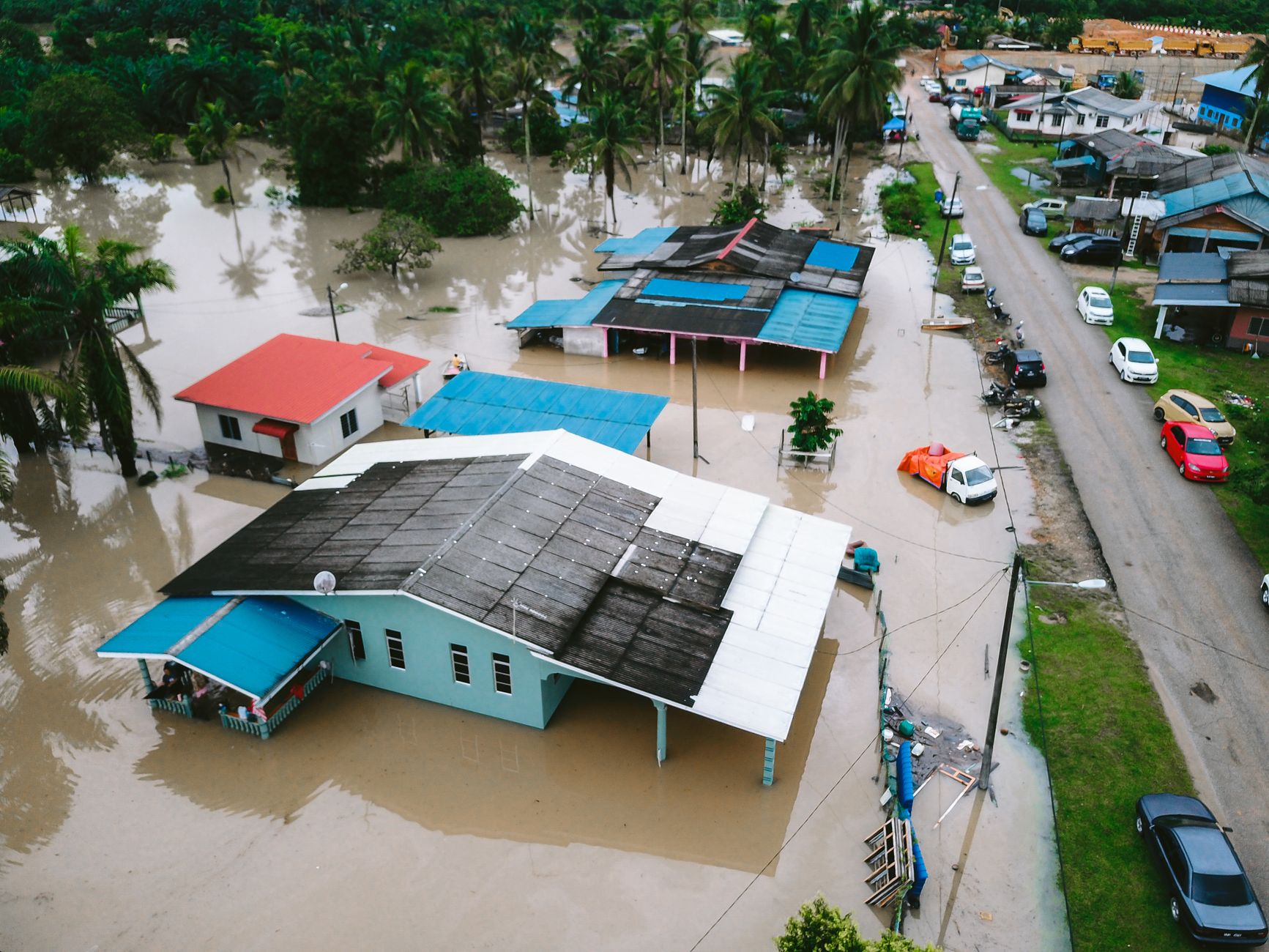
The floods have left more than 1.2 million people homeless, with temporary shelters set up in schools and stadiums. The Ministry of Civil Affairs estimates direct economic losses at over $9 billion USD.
Crops across 800,000 hectares were destroyed, threatening regional food security. The Ministry of Agriculture warned that rice and wheat harvests could fall by up to 15% this year, impacting both local and national supplies.
Public health risks have increased, with outbreaks of waterborne diseases reported in several shelters. The World Health Organization is assisting with sanitation and disease prevention efforts.
What's Next: Recovery and Resilience
Reconstruction is underway, with a focus on rebuilding homes, restoring utilities, and reopening schools. The government has promised to upgrade flood defenses and accelerate climate adaptation projects.
Long-term, experts urge investment in early warning systems, community education, and cross-regional water management. As climate risks grow, China’s response to this disaster will shape future resilience strategies.
The 2026 central China floods stand as a stark case study in the dangers of underestimating climate-driven disasters—and the urgent need for adaptive, forward-looking policies.
Sources: Xinhua News Agency, South China Morning Post, CCTV News, China Meteorological Administration, World Bank, Tsinghua University, Intergovernmental Panel on Climate Change, World Resources Institute, Caixin Global, Ministry of Emergency Management, World Health Organization.
Sources: Information sourced from Xinhua News Agency, South China Morning Post, CCTV News, World Bank, and WHO reports.