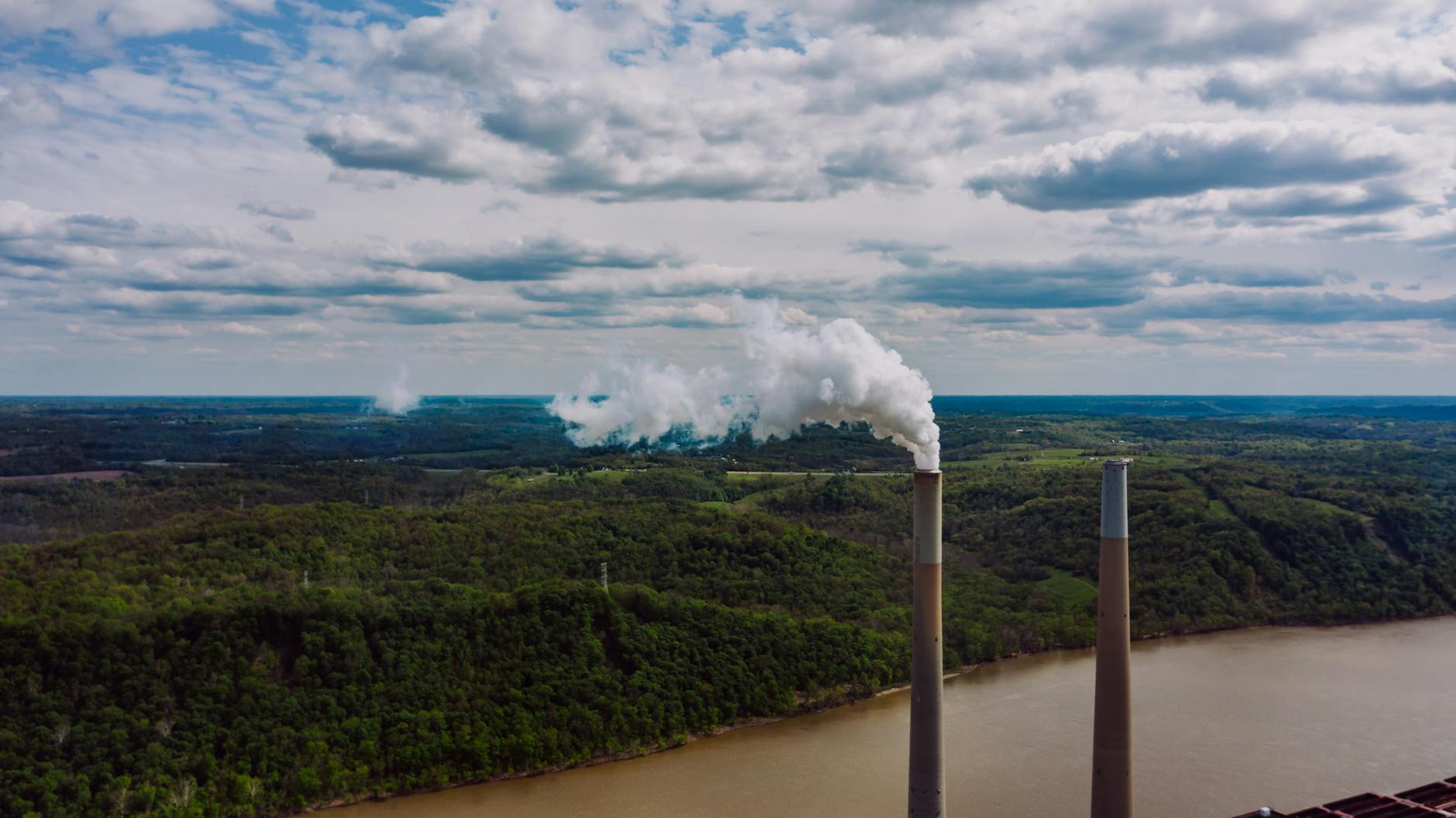
A major chemical spill in the Ohio River this week has triggered environmental alarms, prompting rapid response and renewed scrutiny of industrial safety and water protection protocols across the Midwest.
Cincinnati, Ohio, March 26, 2026 — A massive chemical spill into the Ohio River on March 24 has set off an environmental crisis, forcing water shutdowns for millions and raising urgent questions about industrial oversight, according to Reuters and local officials.
The spill occurred after a storage tank at the Riverton Chemical Plant ruptured, releasing over 400,000 gallons of methyl chloride into the river. The incident is one of the largest chemical spills in the Midwest in recent years, as reported by The Cincinnati Enquirer.
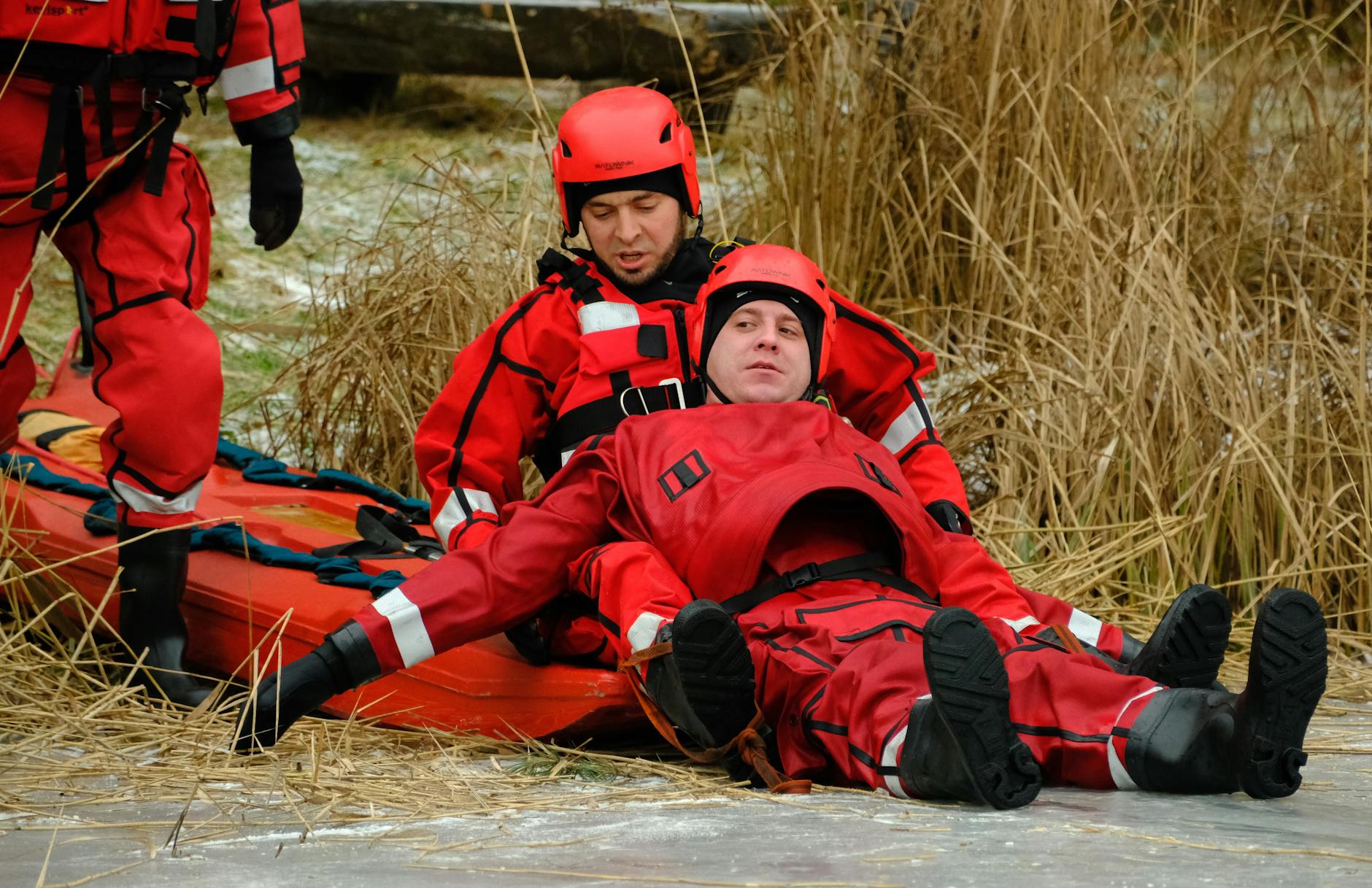
Federal and state agencies, including the Environmental Protection Agency (EPA) and Ohio Department of Natural Resources, mobilized emergency crews within hours. Authorities quickly issued advisories for downstream communities, warning residents not to use tap water for drinking or cooking.
Background: Industrial Risks Along the Ohio River
The Ohio River is a vital waterway, supplying drinking water to more than five million people across six states. Its banks host dozens of industrial plants, making it vulnerable to pollution incidents, according to the Ohio River Valley Water Sanitation Commission (ORSANCO).
Methyl chloride is a volatile organic compound used in manufacturing plastics and solvents. Exposure can cause neurological, respiratory, and liver damage, as detailed by the Centers for Disease Control and Prevention (CDC).
The Riverton Chemical Plant, owned by ChemGlobal Inc., has a history of minor safety violations but had passed its last federal inspection in September 2025, according to EPA records.
Immediate Response and Containment Efforts
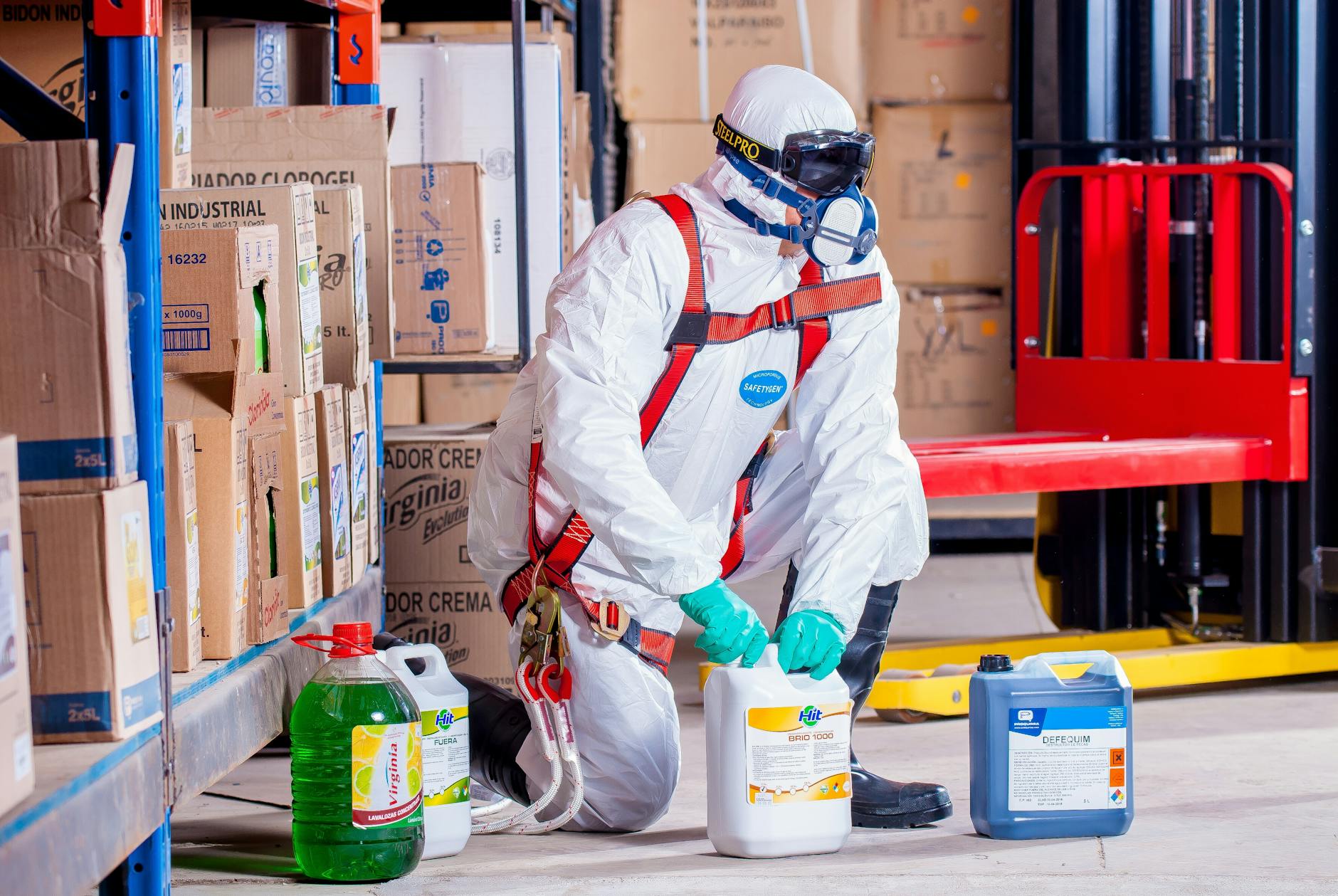
Emergency crews deployed floating booms and absorbent barriers to contain the spill. Water utility companies shut down intake valves along a 120-mile stretch of the river, affecting cities from Cincinnati to Louisville.
The EPA began round-the-clock water quality monitoring. Early tests showed methyl chloride concentrations exceeding federal safety limits by up to 40 times in some locations, according to EPA updates.
Local hospitals reported a surge in patients with headaches, dizziness, and nausea, symptoms consistent with methyl chloride exposure, as noted by The Cincinnati Enquirer.
Evacuations and Public Health Measures
Authorities issued evacuation orders for neighborhoods closest to the spill site. Temporary shelters were set up in high schools and community centers, with the Red Cross providing bottled water and medical aid.
The CDC dispatched a team to assist local health departments in tracking symptoms and advising on decontamination procedures. Residents were urged to avoid fishing, swimming, or any contact with river water until further notice.
Environmental and Economic Impact

Preliminary assessments indicate significant fish kills and damage to aquatic ecosystems along a 50-mile stretch of the river. ORSANCO warned that recovery could take years, depending on weather and cleanup progress.
The spill has disrupted operations for regional water utilities, manufacturing plants, and river transport companies. Early estimates from the Ohio Chamber of Commerce suggest economic losses could exceed $300 million.
Regulatory Scrutiny and Accountability
Governor Lisa McCarthy called for a full investigation into the cause of the tank rupture, promising to hold ChemGlobal Inc. accountable. The EPA launched a parallel inquiry into the plant’s safety practices and emergency preparedness.
Environmental groups, including the Sierra Club, have renewed calls for stricter oversight of chemical storage near major waterways. They point to this disaster as evidence of regulatory gaps and outdated infrastructure.
Lessons Learned and Policy Implications
Experts say the incident highlights critical weaknesses in risk assessments and emergency planning for industrial sites near water sources. A 2025 Government Accountability Office (GAO) report warned that many facilities lack modern leak detection and containment systems.
Lawmakers in Ohio and Kentucky have proposed new legislation requiring real-time monitoring of hazardous materials and increased penalties for safety violations. Similar reforms were enacted after the 2014 Elk River spill in West Virginia, which contaminated water for 300,000 people.
Community Response and Recovery

Local residents have organized volunteer clean-up crews and donation drives for affected families. Schools and businesses remain closed in the hardest-hit areas, with officials prioritizing water safety before reopening.
The EPA and state agencies plan to conduct long-term monitoring of water quality and public health impacts. Recovery efforts are expected to continue for months, with periodic updates promised to the public.
What’s Next: Preventing Future Disasters
The Ohio River spill has reignited national debate over industrial regulation, infrastructure investment, and environmental justice. Lawmakers and advocacy groups are pushing for comprehensive reforms to prevent similar disasters.
Federal agencies are reviewing emergency response protocols and considering new requirements for chemical storage facilities. The incident is expected to shape environmental policy discussions in the 2026 election cycle.
Sources: Information for this article was sourced from Reuters, The Cincinnati Enquirer, EPA updates, CDC reports, ORSANCO, and the Ohio Chamber of Commerce.
Sources: Information sourced from Reuters, The Cincinnati Enquirer, EPA updates, CDC reports, ORSANCO, and the Ohio Chamber of Commerce.