
A major toxic chemical spill in the Ohio River in April 2026 has triggered environmental and public health concerns. This case study examines the incident, response, and lessons learned.
Cincinnati, April 10, 2026 — A catastrophic chemical spill in the Ohio River near Cincinnati has sparked an environmental crisis, forcing evacuations, contaminating water supplies, and raising urgent questions about industrial safety and disaster preparedness, according to Reuters and local authorities.
The incident occurred on April 9 when a freight train carrying hazardous chemicals derailed near the riverbank. Several tankers ruptured, releasing thousands of gallons of toxic substances, including benzene and vinyl chloride, into the waterway, as reported by The Cincinnati Enquirer.
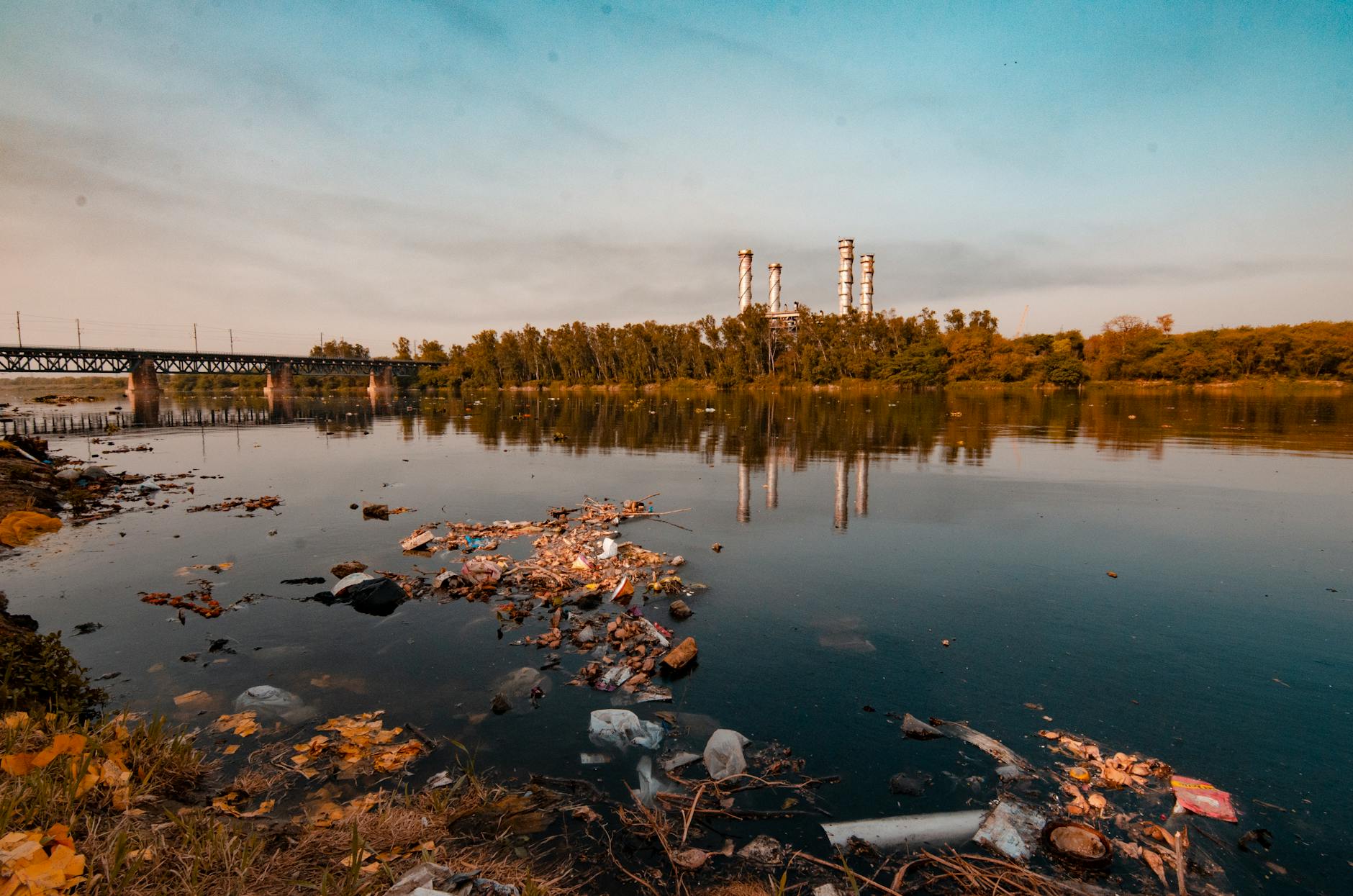
The Ohio River, a vital water source for over five million people, quickly became contaminated. Local officials issued immediate warnings for residents in Cincinnati, Covington, and downstream communities to avoid using tap water, citing elevated toxin levels detected by the Environmental Protection Agency (EPA).
Background: The Ohio River's Role and Industrial Risks
Stretching nearly 1,000 miles, the Ohio River is a crucial waterway for transportation, commerce, and municipal water supply. The river passes through several industrial corridors, making it vulnerable to pollution incidents, according to the Ohio River Valley Water Sanitation Commission (ORSANCO).
This region has a history of industrial accidents, but the scale and toxicity of the April 2026 spill are unprecedented. Past incidents, such as the 2023 East Palestine train derailment, highlighted the risks of transporting hazardous materials near waterways, as noted by The New York Times.
Immediate Response and Emergency Measures
Within hours of the spill, local and federal agencies coordinated to contain the contamination. The EPA deployed booms and absorbent barriers to limit the spread of chemicals. The National Guard assisted in distributing bottled water to affected communities, according to CNN.
Hospitals in Cincinnati and northern Kentucky reported a surge in patients with symptoms of chemical exposure, including headaches, nausea, and respiratory distress. Health officials urged residents to seek medical attention if exposed, citing CDC guidelines on chemical poisoning.
Environmental Impact: Water, Wildlife, and Ecosystems

Preliminary EPA water tests revealed benzene concentrations up to 50 times the safe limit for drinking water. Fish kills were observed along a 30-mile stretch of the river, and wildlife rescue teams responded to reports of affected birds and mammals, as documented by the Ohio Department of Natural Resources.
Environmental groups, including the Sierra Club and Riverkeeper, warned that the spill could have long-term effects on aquatic ecosystems. Sediments may retain toxins for years, disrupting fish populations and food webs, according to a 2025 study by the University of Cincinnati.
Public Health Concerns and Community Response
The contamination threatened water supplies for more than 1.2 million residents. Schools and businesses closed, and emergency shelters opened for those unable to remain in their homes. Local leaders called for federal disaster relief and long-term health monitoring, as reported by NPR.
Residents expressed frustration over delayed warnings and unclear communication from authorities. Advocacy groups demanded transparency and accountability from both the rail company and government agencies, referencing lessons from previous disasters like Flint's water crisis.
Regulatory and Policy Implications
The disaster reignited debate over the safety of transporting hazardous chemicals by rail. Lawmakers introduced emergency legislation to strengthen rail safety standards and require advanced warning systems for communities along major waterways, according to The Washington Post.
Environmental advocates urged stricter enforcement of existing regulations, increased funding for infrastructure upgrades, and greater corporate accountability. The EPA announced a review of chemical transport policies and potential penalties for the rail operator.
Lessons Learned: Prevention and Preparedness
Experts emphasized the need for improved risk assessment, emergency planning, and community engagement. The incident underscored the importance of rapid response protocols, interagency coordination, and public education on chemical hazards, as outlined in a 2026 report by the National Transportation Safety Board (NTSB).
Case studies from previous disasters, including the 2010 Deepwater Horizon oil spill and the 2023 East Palestine derailment, highlight the value of transparent communication, robust monitoring, and investment in safer infrastructure to prevent future crises.
What’s Next: Recovery and Long-Term Monitoring

Cleanup efforts are expected to continue for months. The EPA and state agencies plan comprehensive water and soil testing, while health departments will track potential long-term effects on residents. Federal disaster aid is being mobilized to support affected communities.
Lawmakers and advocacy groups are pushing for a national review of chemical transport routes and emergency preparedness plans. The Ohio River spill serves as a stark reminder of the ongoing risks posed by industrial activity near critical water resources.
Sources
Information for this article was sourced from Reuters, The Cincinnati Enquirer, The New York Times, CNN, NPR, The Washington Post, the EPA, CDC, and the Ohio Department of Natural Resources.
Sources: Information sourced from Reuters, The Cincinnati Enquirer, The New York Times, CNN, NPR, The Washington Post, EPA, CDC, and the Ohio Department of Natural Resources.