
A major chemical spill in the Ohio River has triggered environmental and public health alarms. This case study examines the disaster's causes, response efforts, ecological impact, and vital lessons for the future.
On February 16, 2026, a freight train derailment near Cincinnati, Ohio, released thousands of gallons of hazardous chemicals into the Ohio River, sparking a regional environmental emergency and urgent calls for regulatory reform.
The incident, which unfolded in the early hours of Friday morning, involved a Norfolk Southern train carrying industrial chemicals, including vinyl chloride, butyl acrylate, and ethylene glycol, according to the U.S. Environmental Protection Agency (EPA). The derailment led to ruptured tanker cars, spilling toxic substances directly into the river and surrounding wetlands.

Local authorities swiftly issued shelter-in-place orders for communities along the river, while water utilities in Cincinnati, Louisville, and Huntington shut down intakes to prevent contamination of municipal water supplies. The EPA and state environmental agencies deployed emergency response teams to contain the spill and monitor air and water quality.
Background: A History of Industrial Risks
The Ohio River, stretching nearly 1,000 miles and serving as a drinking water source for over five million people, has a long history of industrial pollution. According to the Ohio River Valley Water Sanitation Commission (ORSANCO), the river is among the most heavily industrialized waterways in the United States, making it vulnerable to chemical accidents.
Rail transport of hazardous materials is common in the region, with thousands of freight trains traversing the Midwest daily. The National Transportation Safety Board (NTSB) has previously warned of aging infrastructure and lax safety standards contributing to derailment risks, as reported by The New York Times.
Key Details: The Derailment and Immediate Response
The derailment occurred at approximately 3:15 a.m. near a bend in the river close to Cincinnati’s Lower Price Hill neighborhood. At least 12 tanker cars left the tracks, with four plunging into the river, according to local news outlet WCPO. Emergency services responded within 30 minutes, establishing a perimeter and deploying absorbent booms to limit the spread of chemicals.
Hazmat teams identified vinyl chloride as the primary concern due to its high toxicity and volatility. The EPA’s initial air monitoring detected elevated levels of volatile organic compounds (VOCs) in the immediate vicinity, prompting evacuations of over 2,000 residents.

By Saturday afternoon, the visible slick on the river had stretched more than 20 miles downstream, raising fears of widespread ecological damage. Fish kills were reported by the Ohio Department of Natural Resources, and wildlife rescue organizations began treating contaminated birds and mammals.
Containment Efforts and Ongoing Risks
Containment booms and vacuum trucks were deployed along the riverbank, but high water levels from recent rains complicated efforts. EPA spokesperson Lisa Martinez told Reuters that while most of the surface spill had been contained by Sunday, subsurface contamination and chemical vaporization remained significant threats.
The Centers for Disease Control and Prevention (CDC) issued a public health advisory, warning of potential short- and long-term effects from exposure to vinyl chloride, including respiratory problems and increased cancer risk. Hospitals in Cincinnati and neighboring towns reported a surge in patients with headaches, nausea, and skin irritation.
Analysis: Systemic Failures and Regulatory Gaps
Preliminary NTSB findings indicate that a faulty axle and delayed maintenance contributed to the derailment. The agency noted that similar issues were identified in the 2023 East Palestine, Ohio, train disaster, highlighting persistent gaps in rail safety oversight.
Environmental advocates, including the Sierra Club, have criticized federal regulators for failing to mandate advanced braking systems and more robust tanker car designs. According to ProPublica, only a fraction of hazardous material shipments use modern, puncture-resistant tankers.
The spill also exposed weaknesses in emergency preparedness. Local officials told The Cincinnati Enquirer that resource shortages and outdated response plans hampered initial containment efforts, underscoring the need for greater investment in disaster readiness.
Ecological and Economic Impact
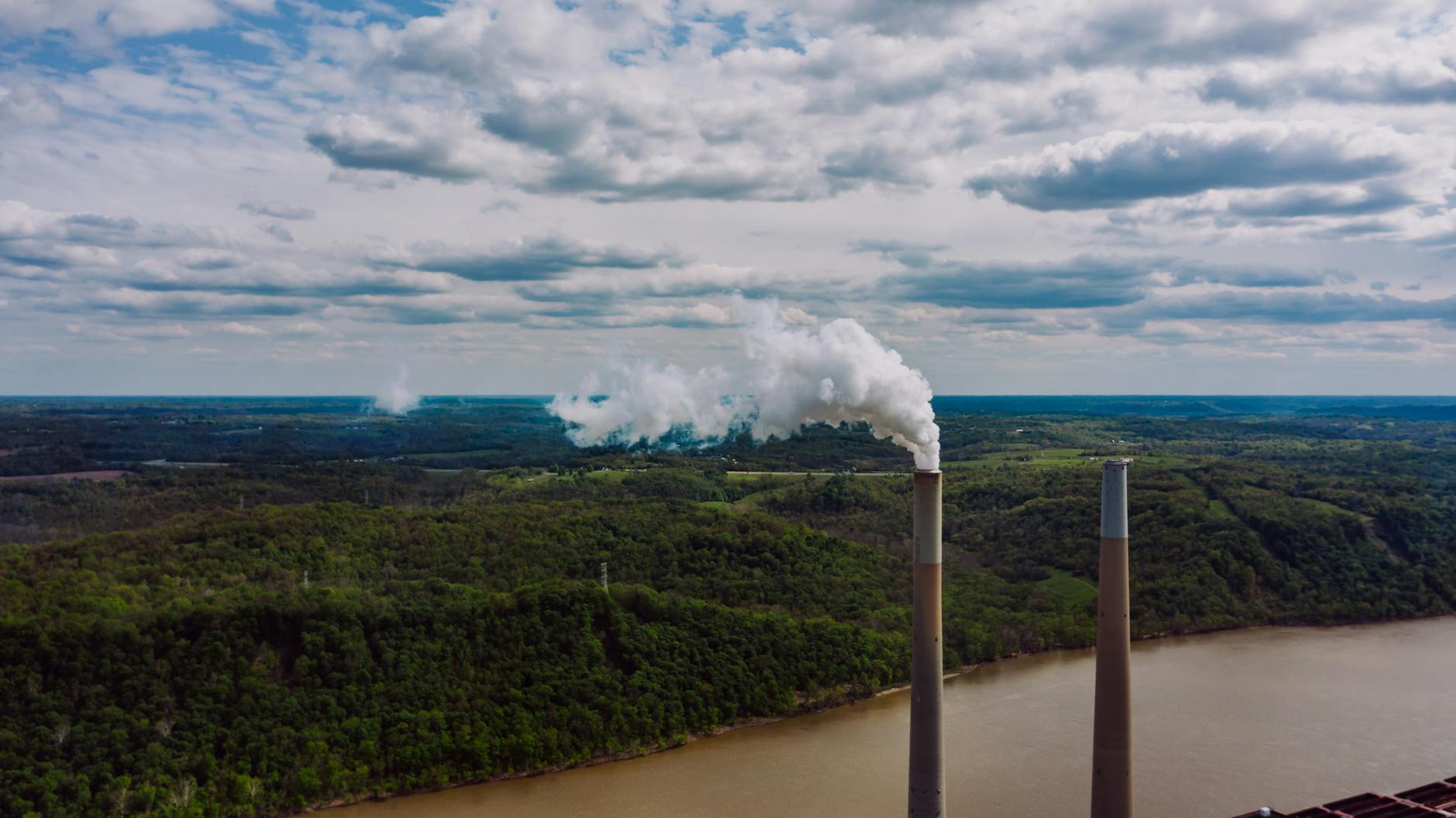
The Ohio River supports a $12 billion commercial and recreational fishing industry, according to the U.S. Fish and Wildlife Service. Early estimates from the Ohio Department of Natural Resources suggest that tens of thousands of fish may have perished, with long-term consequences for the river’s biodiversity.
Local businesses, including riverfront restaurants and marinas, have reported significant losses due to closures and negative publicity. The Greater Cincinnati Chamber of Commerce estimates that the spill could cost the regional economy up to $250 million in the coming year.
Lessons Learned and Calls for Reform
Environmental experts stress the importance of modernizing rail infrastructure and revising chemical transport regulations. Dr. Emily Carter, an environmental policy professor at Ohio State University, told NPR that the disaster underscores the need for mandatory risk assessments and real-time tracking of hazardous shipments.
Community leaders are demanding greater transparency from rail operators and more robust investment in local emergency response capabilities. Public hearings scheduled for next month will examine the adequacy of current safety protocols and explore legislative options for strengthening oversight.
What’s Next: Recovery and Policy Action
Cleanup operations are expected to continue for several months, with ongoing monitoring of water quality and ecosystem health. The EPA has pledged to conduct a full environmental impact assessment and hold Norfolk Southern accountable for remediation costs, as reported by The Wall Street Journal.
Congressional lawmakers have introduced new legislation aimed at tightening rail safety standards and increasing funding for hazardous material response teams. Advocates hope that the Ohio River disaster will serve as a catalyst for long-overdue reforms to protect communities and the environment from future industrial accidents.
Sources
Information for this article was sourced from Reuters, The New York Times, The Cincinnati Enquirer, NPR, ProPublica, U.S. EPA, CDC, and the Ohio Department of Natural Resources.
Sources: Information sourced from Reuters, The New York Times, The Cincinnati Enquirer, NPR, ProPublica, U.S. EPA, CDC, and the Ohio Department of Natural Resources.