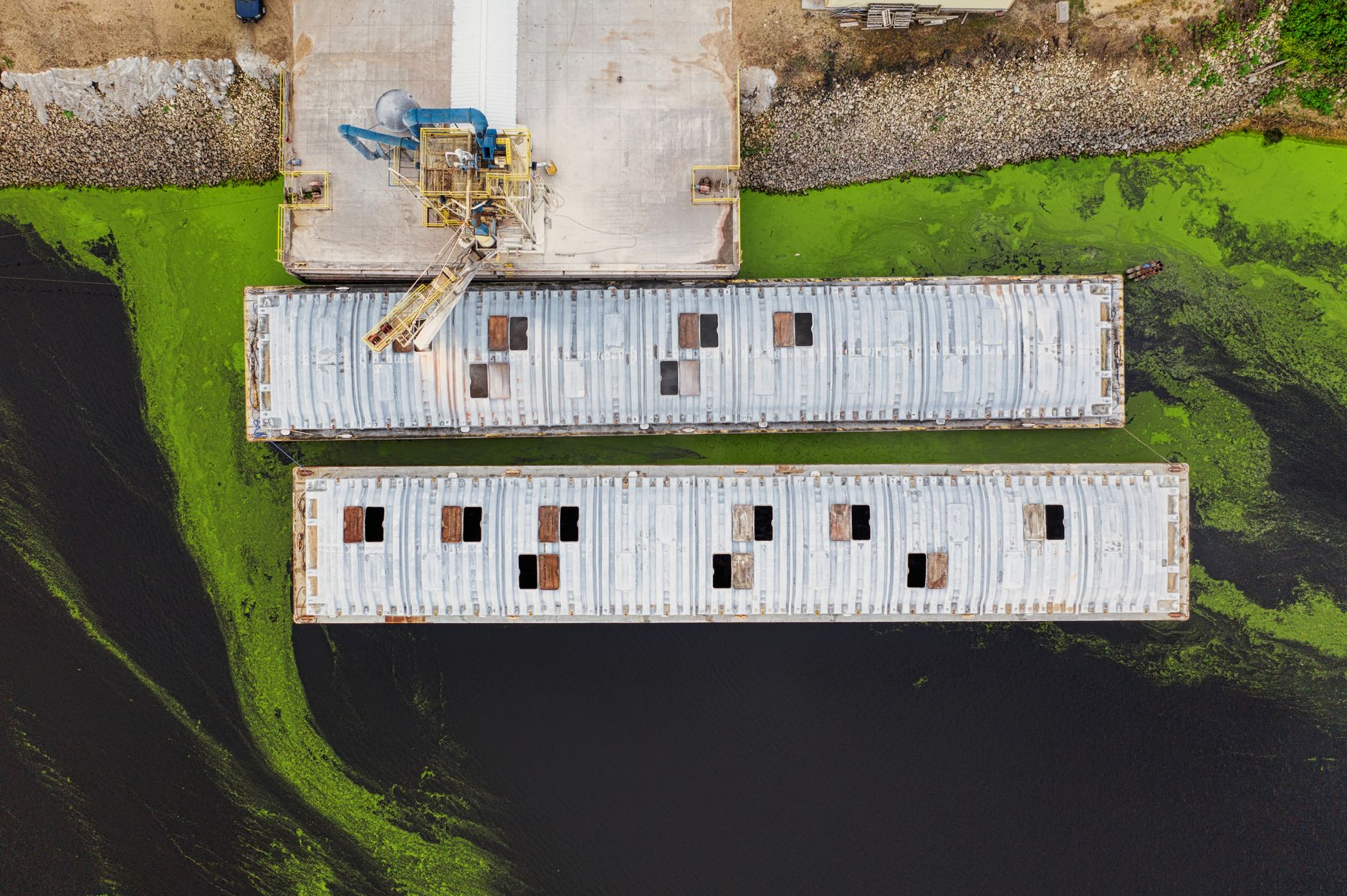
A major chemical spill in the Mississippi River in July 2026 has triggered environmental and public health crises. This case study examines the incident, response, impacts, and future prevention lessons.
On July 17, 2026, a barge carrying industrial chemicals capsized near Baton Rouge, Louisiana, releasing thousands of gallons of toxic substances into the Mississippi River, according to Reuters. The spill has prompted urgent environmental, health, and regulatory responses as authorities race to contain the damage and investigate the causes.
The Mississippi River, a crucial waterway for transportation, agriculture, and drinking water, has faced environmental threats before. However, the scale and toxicity of this latest spill have raised alarm among experts and residents alike, as reported by The New York Times.

The barge, owned by GulfChem Logistics, was transporting a mix of benzene, toluene, and xylene—highly hazardous chemicals used in manufacturing. According to the U.S. Coast Guard, the vessel struck a submerged object during heavy rains, causing a breach in its hull.
Immediate Response and Containment Efforts
Emergency crews from the Environmental Protection Agency (EPA) and Louisiana Department of Environmental Quality (LDEQ) were dispatched within hours. Booms and absorbent barriers were deployed to limit the spread of chemicals downstream, according to EPA press releases.
Despite rapid action, heavy currents and persistent rainfall complicated containment. By July 19, the EPA estimated that over 60% of the spilled chemicals had already dispersed over a 15-mile stretch, threatening aquatic life and water supplies.
Public Health Concerns and Evacuations
Authorities issued drinking water advisories for Baton Rouge and several downstream communities, affecting over 300,000 residents. Hospitals reported a spike in respiratory complaints and skin irritations, particularly among children and the elderly, as noted by the Centers for Disease Control and Prevention (CDC).
Evacuations were ordered for neighborhoods closest to the spill site. Local schools and businesses closed temporarily. The Louisiana Department of Health set up mobile clinics to monitor and treat affected residents.
Environmental Impact Assessment

Preliminary studies by the U.S. Fish and Wildlife Service indicate significant fish kills, with thousands of dead catfish, bass, and crawfish washing ashore. Wetlands along the riverbanks, vital for biodiversity, have shown signs of chemical contamination.
The spill also threatens migratory bird habitats and has disrupted commercial fishing operations. The National Oceanic and Atmospheric Administration (NOAA) warns that long-term ecological effects could persist for years, depending on the chemicals' breakdown rates.
Regulatory and Legal Fallout
Federal investigators from the National Transportation Safety Board (NTSB) and EPA are probing the incident. Early findings suggest possible lapses in maintenance and navigation protocols by GulfChem Logistics, according to The Wall Street Journal.
Lawsuits have already been filed by local governments and environmental groups seeking compensation for damages and stricter regulations on hazardous material transport. The incident has reignited debates in Congress over the adequacy of current safety standards.
Lessons from Past Disasters

Experts are drawing comparisons to previous riverine chemical spills, such as the 2014 Elk River spill in West Virginia. According to the Environmental Working Group, many recommendations from past incidents—like improved barge inspection regimes and real-time chemical monitoring—remain only partially implemented.
The Mississippi spill highlights the need for robust emergency preparedness, better infrastructure, and stronger enforcement of environmental regulations. The EPA has called for a nationwide review of hazardous cargo routes and contingency planning.
Looking Ahead: Policy and Prevention
In response, the Biden administration has announced a task force to review chemical transport safety and recommend new standards by year-end. Congressional hearings are scheduled for August 2026 to address regulatory gaps and funding for river protection.
Local communities and advocacy groups are demanding greater transparency and public involvement in disaster planning. Environmental organizations stress the importance of investing in green infrastructure and alternative transport methods to reduce future risks.
Conclusion: A Wake-Up Call for Waterway Safety
The 2026 Mississippi River chemical spill underscores the vulnerability of critical waterways and the far-reaching consequences of industrial accidents. As cleanup continues, the incident serves as a stark reminder of the need for vigilance, accountability, and proactive policy to safeguard the environment and public health.
Sources: Reuters, The New York Times, EPA, CDC, NOAA, The Wall Street Journal, U.S. Fish and Wildlife Service, Environmental Working Group.
Sources: Information sourced from Reuters, The New York Times, EPA, CDC, NOAA, The Wall Street Journal, and Environmental Working Group reports.