
A major chemical spill in the Ohio River in February 2026 has triggered environmental and public health emergencies, prompting urgent reviews of disaster response and industrial safety regulations.
Cincinnati, OH — On February 10, 2026, a freight train derailment near the Ohio River released thousands of gallons of toxic chemicals, sparking a regional environmental crisis and raising urgent questions about industrial safety and disaster preparedness, according to Reuters.
The derailment occurred just north of Cincinnati, where several tanker cars carrying hazardous materials left the tracks and ruptured, spilling chemicals directly into the Ohio River. Local authorities quickly declared a state of emergency, and the U.S. Environmental Protection Agency (EPA) was dispatched to assess the damage.
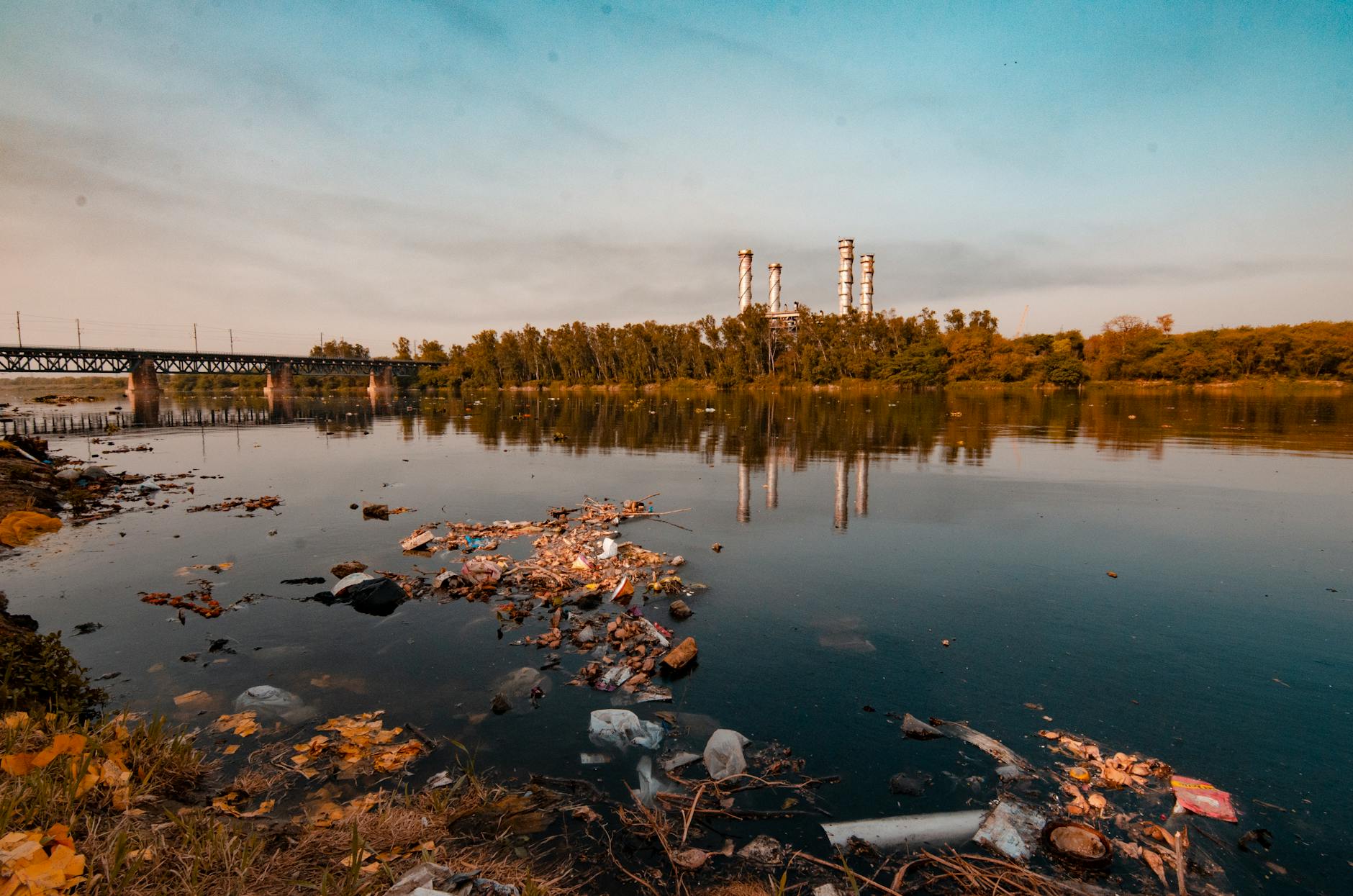
Initial reports from the EPA indicate that over 50,000 gallons of vinyl chloride and other industrial solvents entered the waterway, threatening drinking water supplies for millions downstream. The spill has already caused significant fish kills and prompted water use advisories as far as Louisville, Kentucky, as reported by The New York Times.
Background: A History of Industrial Risks
The Ohio River has long been a critical artery for transportation and industry, but its proximity to chemical plants and rail lines has made it vulnerable to environmental hazards. According to the Ohio River Valley Water Sanitation Commission, the river supplies drinking water to over five million people across six states.
Past incidents, such as the 2023 East Palestine train derailment, have highlighted the risks associated with transporting hazardous materials by rail. Despite federal safety reforms, the frequency of such accidents has remained a concern for local communities and environmental advocates.
Key Details of the 2026 Disaster
The train involved in the February 2026 incident was operated by Midwest Railways and was en route from Chicago to Charleston. According to the National Transportation Safety Board (NTSB), the derailment was caused by a faulty track switch that failed during freezing temperatures.

Emergency responders quickly set up containment booms and deployed absorbent materials, but the volume and toxicity of the chemicals overwhelmed initial efforts. The EPA confirmed that vinyl chloride, a known carcinogen, was the primary contaminant, with benzene and toluene also detected in water samples.
Local hospitals reported an uptick in respiratory complaints and skin irritation among residents living near the river. The Centers for Disease Control and Prevention (CDC) issued guidelines for avoiding contaminated water and urged those with symptoms to seek medical attention.
Environmental and Economic Impact

The spill has devastated aquatic life, with the Ohio Department of Natural Resources estimating that more than 200,000 fish and other wildlife have perished. Commercial fishing operations have been suspended, and local tourism is expected to suffer significant losses, according to The Cincinnati Enquirer.
Water utilities in Cincinnati, Louisville, and Evansville activated emergency filtration protocols, but some communities have resorted to bottled water distribution. The American Water Works Association warned that long-term contamination could require months of remediation.
Analysis: Systemic Failures and Regulatory Gaps
Investigations by the NTSB and EPA point to a combination of aging infrastructure, inadequate safety inspections, and insufficient emergency planning. Experts from the University of Cincinnati argue that federal oversight of hazardous rail shipments remains fragmented, with overlapping jurisdictions and inconsistent enforcement.
The incident has reignited debate in Congress over the need for stricter regulations on chemical transport and mandatory investment in rail infrastructure upgrades. Environmental groups, including the Sierra Club, are calling for a moratorium on hazardous shipments through densely populated or environmentally sensitive areas.
Lessons Learned and Policy Changes
In the wake of the disaster, Ohio Governor Lisa Franklin announced the formation of a task force to review state emergency response protocols. The EPA has pledged to accelerate the implementation of real-time chemical monitoring systems along major waterways.
Industry groups have also signaled willingness to collaborate on new safety standards. The Association of American Railroads stated it would invest $500 million in advanced track monitoring and emergency response training over the next two years.
What’s Next: Recovery and Future Preparedness
Cleanup operations are expected to continue for months, with long-term monitoring of water quality and public health impacts. Federal disaster relief funds have been allocated to affected communities, and class-action lawsuits are already being filed by residents and businesses.
Experts stress that the Ohio River spill is a wake-up call for the nation. As climate change increases the frequency of extreme weather events, the risks to critical infrastructure and public safety are likely to grow, underscoring the need for comprehensive reforms.
Sources
Information in this article was sourced from Reuters, The New York Times, The Cincinnati Enquirer, the EPA, CDC, and the Ohio Department of Natural Resources.Sources: Information sourced from Reuters, The New York Times, The Cincinnati Enquirer, EPA, CDC, and Ohio Department of Natural Resources reports.