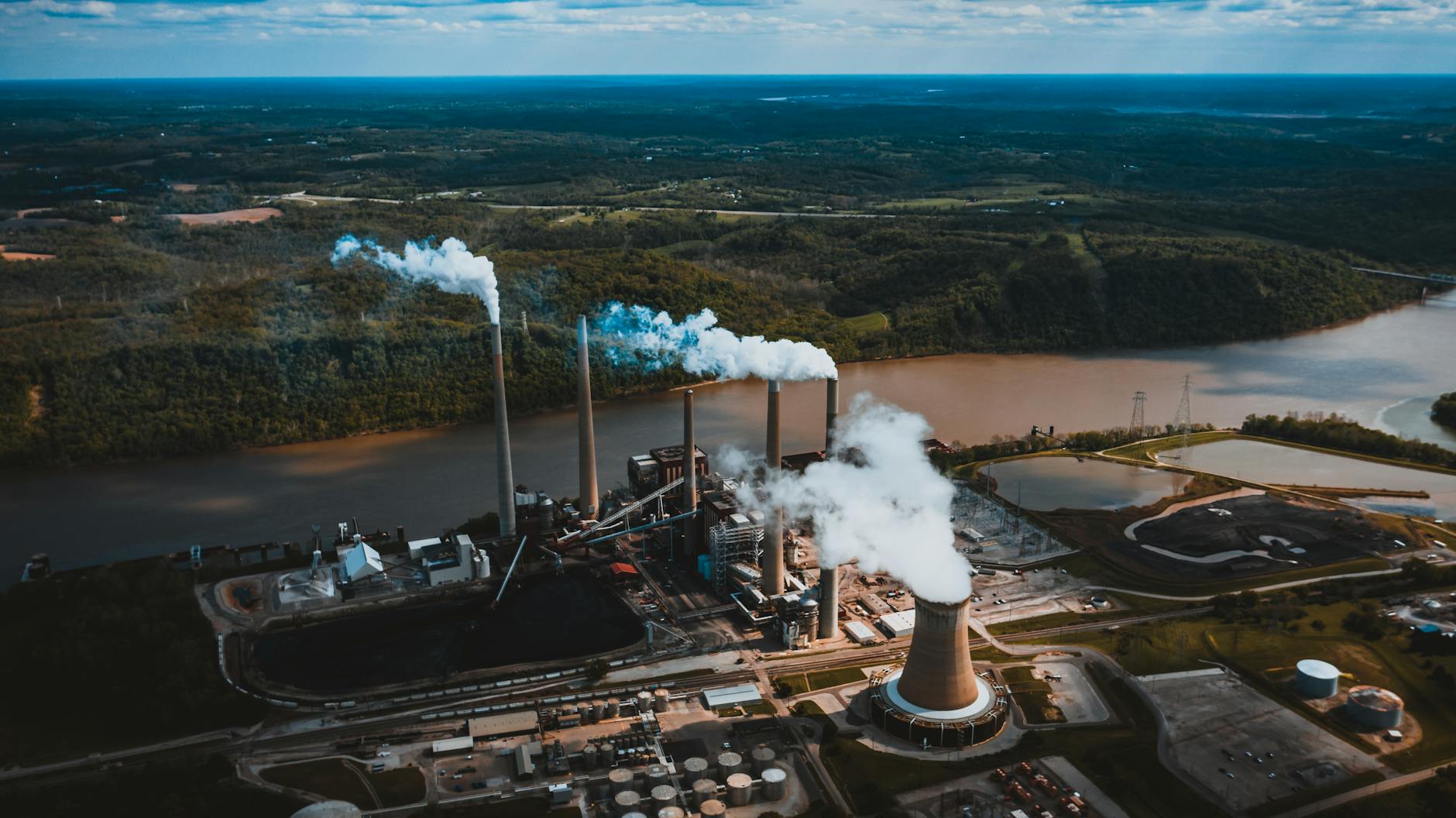
A major chemical spill in the Ohio River has triggered an environmental emergency, raising health concerns, prompting evacuations, and leading to calls for stricter oversight of hazardous materials transport.
Cincinnati, Ohio — On March 12, 2026, a freight train derailment near Cincinnati caused a massive chemical spill into the Ohio River, sparking an environmental disaster that has prompted evacuations, water bans, and a federal investigation, according to Reuters.
The incident occurred when a train carrying hazardous chemicals, including vinyl chloride and butyl acrylate, derailed on the outskirts of Cincinnati. Several tanker cars ruptured, releasing thousands of gallons of toxic substances into the river, as reported by The Washington Post.

Local authorities declared a state of emergency within hours. The spill quickly spread downstream, threatening drinking water supplies for millions and endangering aquatic ecosystems, according to the Ohio Department of Natural Resources.
Background: The Ohio River’s Vital Role
The Ohio River is a crucial waterway, supplying drinking water to over five million people in Ohio, Kentucky, and Indiana. It also supports agriculture, industry, and recreation, making its health vital to the region’s economy and public safety.
Freight trains regularly transport chemicals along routes parallel to the river. While regulations exist, recent years have seen a surge in hazardous material shipments, raising concerns about infrastructure safety and emergency preparedness, as highlighted by the Environmental Protection Agency (EPA).
Key Details of the Incident
According to the National Transportation Safety Board (NTSB), the derailment occurred at 2:17 a.m. local time. Preliminary investigations suggest that a track defect caused the train to leave the rails, rupturing at least five tanker cars.
Hazardous chemicals quickly entered the river and surrounding wetlands. Emergency crews worked to contain the spill using booms and absorbent barriers, but strong currents hampered efforts, allowing toxins to spread over 30 miles downstream within 24 hours, as reported by CNN.
Air monitoring detected elevated levels of volatile organic compounds (VOCs) in nearby communities. Residents in low-lying areas were ordered to evacuate, and authorities imposed a temporary ban on using river water for drinking, bathing, or irrigation.
Immediate Environmental and Health Impacts

The spill killed thousands of fish and aquatic organisms, with wildlife rescue teams reporting mass die-offs along affected riverbanks. The EPA warned that vinyl chloride exposure can cause respiratory problems and is a known carcinogen.
Hospitals in Cincinnati and neighboring towns reported a surge in patients with headaches, nausea, and respiratory distress. The Centers for Disease Control and Prevention (CDC) dispatched teams to monitor air and water quality and assist local health departments.
Government Response and Investigation
Ohio Governor Rachel DeWitt declared a state of emergency, activating the National Guard to assist with evacuations and water distribution. The Department of Transportation ordered a nationwide inspection of rail lines carrying hazardous materials.
Federal investigators are examining whether the train operator followed safety protocols and if aging infrastructure contributed to the accident. The NTSB has called for a comprehensive review of hazardous material transport regulations.
Lessons from Past Environmental Disasters
This incident echoes the 2023 East Palestine, Ohio derailment, which also involved vinyl chloride. That disaster led to widespread contamination and prompted calls for stricter rail safety standards, but many recommendations remain unimplemented, according to The New York Times.
Experts say the latest Ohio River spill highlights persistent vulnerabilities in the nation’s hazardous material transport system. “We’re seeing the consequences of underinvestment in rail safety and emergency response,” said Dr. Linda Park, an environmental policy analyst at the University of Cincinnati.
Long-Term Impact and Recovery Efforts

Cleanup is expected to take months. The EPA has deployed specialized teams to remove contaminated sediment, monitor wildlife, and test water quality. Local governments are distributing bottled water and setting up mobile clinics for affected residents.
Environmental groups warn that the spill could have lasting effects on river ecosystems and human health. “Toxins like vinyl chloride persist in the environment and bioaccumulate in fish, posing risks for years to come,” said the Ohio River Foundation.
Policy Debate and Calls for Reform
Lawmakers in Congress have introduced emergency legislation to strengthen rail safety standards, increase penalties for violations, and fund upgrades to aging infrastructure. Industry groups argue that new rules could disrupt supply chains, but public pressure is mounting for reform.
The Biden administration has pledged federal support for cleanup and recovery. The Department of Transportation is reviewing hazardous material transport regulations and considering mandatory technology upgrades, such as electronic braking systems and real-time tracking.
What’s Next for the Ohio River and Beyond?
As cleanup continues, scientists are conducting long-term studies on the spill’s impact. The CDC and EPA will monitor affected communities for signs of chronic illness, while state agencies plan to expand disaster preparedness training and public awareness campaigns.
The Ohio River disaster has reignited national debate over hazardous material transport and environmental protection. Experts say the lessons learned could shape policy for years to come, potentially preventing future tragedies.
Sources
Information for this article was sourced from Reuters, The Washington Post, CNN, The New York Times, the Ohio Department of Natural Resources, the EPA, and the CDC.Sources: Information sourced from Reuters, The Washington Post, CNN, The New York Times, the Ohio Department of Natural Resources, the EPA, and the CDC.