
A major chemical spill in the Ohio River has triggered an environmental emergency, prompting evacuations and renewed scrutiny of industrial safety practices. This case study explores the disaster's causes, response, and lessons.
On February 19, 2026, a catastrophic chemical spill near Cincinnati, Ohio, released thousands of gallons of toxic substances into the Ohio River, sparking evacuations, water bans, and a federal emergency response, according to Reuters.
The incident began when a freight train carrying hazardous chemicals derailed just north of Cincinnati. Several tankers ruptured, spilling vinyl chloride and other industrial solvents into the river. Local authorities quickly declared a state of emergency, as reported by The New York Times.

The Ohio River, a vital waterway serving over five million people, became the focal point of a regional crisis. The spill threatened municipal water supplies in Cincinnati, Louisville, and communities downstream, according to the U.S. Environmental Protection Agency (EPA).
Background: The Ohio River’s Industrial Legacy
The Ohio River Valley has long been a hub for manufacturing and chemical transport. Its proximity to major industrial centers makes it vulnerable to spills and contamination events, as documented by the EPA and local environmental groups.
Previous incidents, such as the 2023 East Palestine train derailment, highlighted the risks posed by aging infrastructure and increased freight traffic. Experts have warned that without significant investment in safety, similar disasters were likely, notes The Washington Post.
Key Details: The February 2026 Spill
According to the National Transportation Safety Board (NTSB), the derailment occurred at 2:14 a.m. during a period of heavy rain, which may have contributed to track instability. At least four tankers ruptured, releasing an estimated 80,000 gallons of hazardous chemicals.
Vinyl chloride, a known carcinogen, was among the most concerning chemicals released. The EPA detected levels exceeding federal safety thresholds in the river and nearby groundwater, prompting urgent public health advisories.

Emergency crews deployed containment booms and began water sampling within hours. The Ohio Department of Natural Resources reported fish kills and wildlife distress along a 30-mile stretch of the river.
Evacuations and Public Health Response
Officials ordered the evacuation of over 12,000 residents in low-lying neighborhoods near the spill site. The Cincinnati Water Works temporarily shut off intake valves, and bottled water distribution centers were established, according to local news station WLWT.
Hospitals in the region reported a spike in respiratory complaints and skin irritation. The Centers for Disease Control and Prevention (CDC) dispatched teams to monitor air and water quality and provide medical guidance.
Analysis: Causes and Regulatory Gaps
Preliminary NTSB findings point to track erosion and deferred maintenance as contributing factors. Investigators also cited insufficient hazardous materials training for train crews and first responders, echoing concerns raised after earlier incidents.
The spill has reignited debate over the adequacy of federal rail safety regulations. Environmental advocates argue that voluntary industry standards and limited oversight have left communities at risk, as highlighted in a 2025 Government Accountability Office (GAO) report.
Industry representatives contend that rail remains the safest mode for transporting chemicals, but acknowledge that climate change-driven weather extremes are increasing operational hazards.
Environmental and Economic Impact
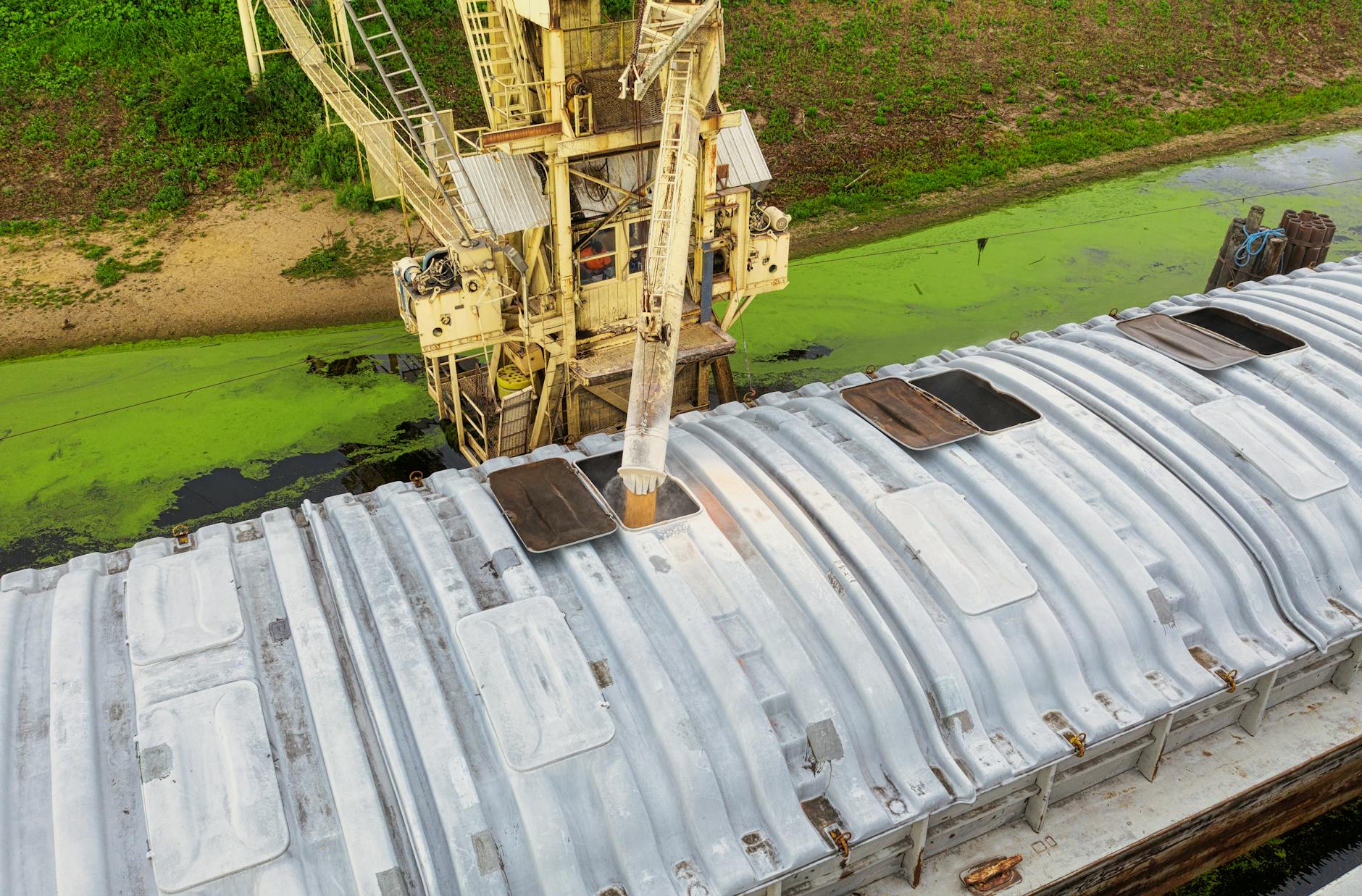
The spill’s immediate impact includes fish kills, contaminated drinking water, and disruptions to river traffic. The Ohio River is a major artery for agricultural and industrial shipping, and closures have cost millions in lost commerce, according to the Cincinnati Chamber of Commerce.
Long-term concerns focus on persistent groundwater contamination and ecosystem recovery. Experts from the University of Cincinnati warn that vinyl chloride and related compounds can linger in sediments for years, posing ongoing risks to public health and wildlife.
Lessons Learned and Policy Shifts
In response to the disaster, federal and state officials have pledged to accelerate rail infrastructure upgrades and strengthen hazardous materials regulations. The U.S. Department of Transportation announced new funding for track inspections and emergency preparedness training.
Local governments are reviewing emergency response protocols, emphasizing the need for rapid public communication and coordination with water utilities. The EPA is expanding its monitoring network along the Ohio River to provide real-time data to affected communities.
What’s Next: Recovery and Reform
Cleanup efforts are expected to continue for months, with the EPA overseeing soil remediation and water treatment. Lawsuits against the rail operator and chemical manufacturers are already underway, seeking compensation for environmental and health damages.
Congressional hearings are scheduled for March 2026 to examine the causes of the spill and consider new legislation on hazardous materials transport. Environmental groups are calling for stricter oversight and investment in safer alternatives.
The Ohio River spill serves as a stark reminder of the vulnerabilities in America’s industrial infrastructure. As communities recover, policymakers face mounting pressure to prevent future disasters and protect public health.
Sources
Information for this article was sourced from Reuters, The New York Times, The Washington Post, U.S. EPA, CDC, WLWT, and the University of Cincinnati.Sources: Information sourced from Reuters, The New York Times, The Washington Post, U.S. EPA, CDC, WLWT, and University of Cincinnati reports.