
A major chemical spill in the Ohio River has triggered environmental, health, and regulatory responses, highlighting systemic risks and urgent lessons for U.S. waterway management and disaster preparedness.
Cincinnati, Ohio, February 27, 2026 — A catastrophic chemical spill in the Ohio River on February 24 has sparked an urgent environmental crisis, prompting mass water advisories, wildlife deaths, and a federal investigation into industrial safety protocols, according to Reuters and local authorities.
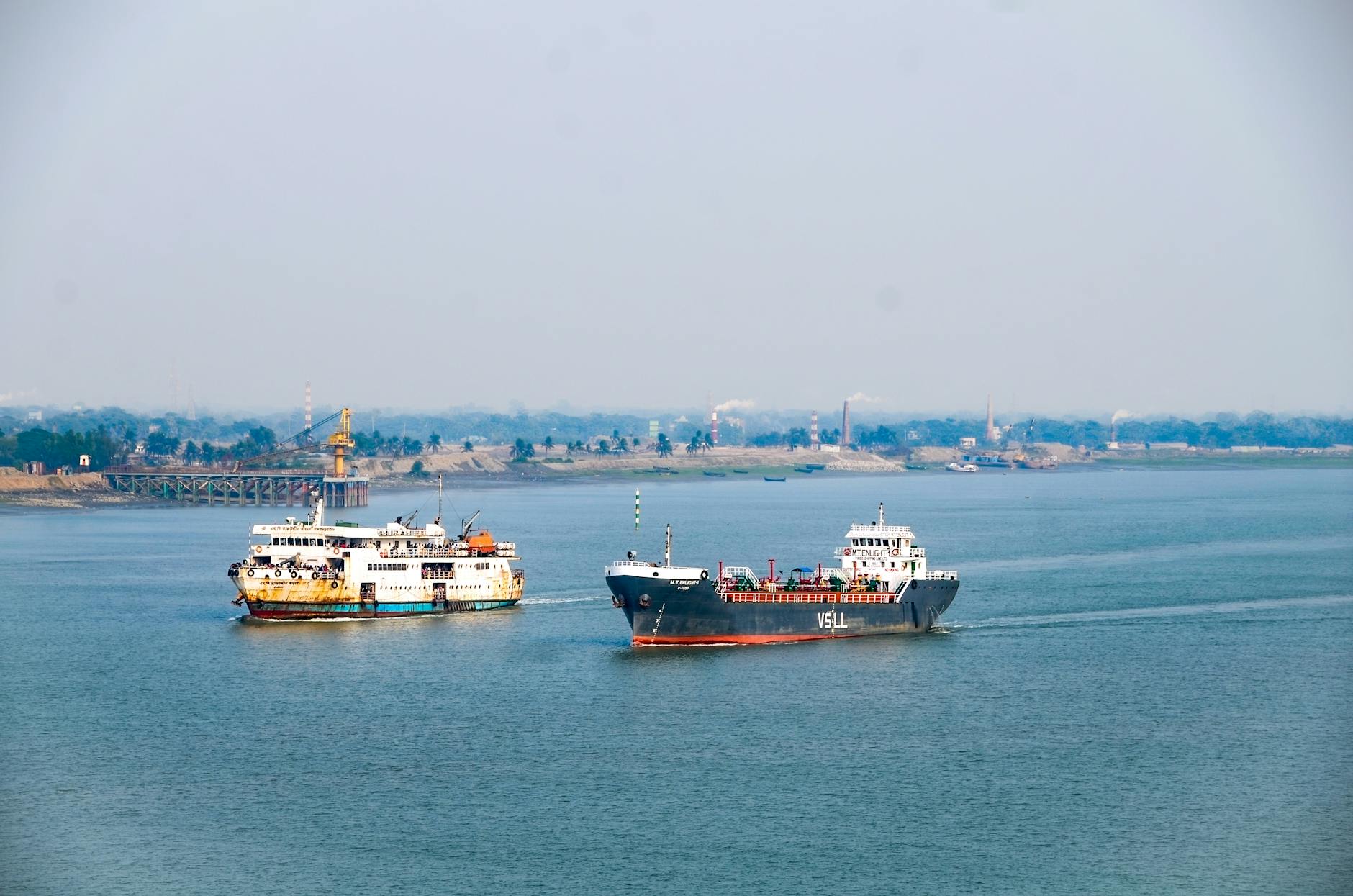
The incident occurred when a tanker operated by ChemCore Industries overturned near Louisville, Kentucky, releasing an estimated 120,000 gallons of methyl chloride into the Ohio River. The spill quickly spread downstream, threatening drinking water for millions and devastating aquatic ecosystems.

Background: The Ohio River’s Vital Role
The Ohio River is a crucial waterway, supplying drinking water to over five million people across several states. It also supports diverse wildlife and is a backbone for regional commerce, according to the Ohio River Foundation.Industrial activity along the river has long posed environmental risks. The region is home to dozens of chemical plants, refineries, and transport hubs. Past incidents, including the 2014 Elk River spill in West Virginia, have underscored the vulnerability of U.S. waterways to hazardous material accidents.
The Spill: Timeline and Immediate Response
The spill was first detected at 2:30 a.m. on February 24. Emergency crews from Kentucky and Ohio deployed containment booms and began water sampling within hours, as reported by The Cincinnati Enquirer.By noon, the chemical plume had traveled more than 25 miles downstream, prompting Cincinnati and other cities to shut off water intakes from the river. The U.S. Environmental Protection Agency (EPA) issued a regional public health advisory, urging residents to avoid river water and limit fish consumption.
Health and Environmental Impact
Methyl chloride is a volatile organic compound known to cause respiratory distress and neurological symptoms in humans, according to the Centers for Disease Control and Prevention (CDC). Local hospitals reported a surge in patients with headaches, dizziness, and nausea.
Wildlife agencies documented significant fish kills along a 40-mile stretch of the river. The Ohio Department of Natural Resources estimated that over 100,000 fish and other aquatic organisms perished within 48 hours of the spill.
Regulatory and Political Fallout
Federal and state officials have launched investigations into ChemCore Industries’ safety practices. The National Transportation Safety Board (NTSB) is examining whether mechanical failure or human error caused the tanker’s overturn.Ohio Governor Lisa Franklin declared a state of emergency in affected counties, activating the National Guard to assist with water distribution and environmental monitoring. Lawmakers are calling for stricter oversight of hazardous material transport along U.S. rivers.
Community Response and Water Security
Local residents have faced water shortages and uncertainty. Bottled water distribution centers were set up in Cincinnati, Newport, and Covington, while schools and businesses closed temporarily due to contamination fears.Community leaders are demanding transparency and long-term health monitoring. Environmental groups, including the Sierra Club, have called for comprehensive river cleanup and restoration efforts.
Lessons from Past Disasters
The Ohio River spill echoes previous disasters, such as the 2023 East Palestine train derailment and chemical leak. According to the EPA, many recommendations from past incidents—including improved spill response and stricter pipeline inspections—remain only partially implemented.Experts warn that aging infrastructure, lax enforcement, and climate-driven flooding increase the risk of future spills. The American Society of Civil Engineers’ 2025 report gave U.S. inland waterways a C- grade for safety and resilience.
Analysis: Systemic Risks and Policy Gaps
Environmental advocates argue that current regulations are insufficient to protect major waterways from industrial hazards. The Natural Resources Defense Council (NRDC) points to gaps in spill reporting, emergency preparedness, and inter-state coordination.Industry groups, however, caution against overregulation, emphasizing the economic importance of river transport. They advocate for targeted investments in technology and training rather than sweeping new rules.
Impact on Regional Economy and Ecosystems
The spill has disrupted shipping, fishing, and tourism along the Ohio River. Early estimates from the Kentucky Chamber of Commerce suggest economic losses could exceed $200 million if waterway closures persist.Long-term ecological damage remains uncertain. Scientists from the University of Cincinnati are conducting ongoing water and sediment tests to assess recovery prospects for affected habitats.
What’s Next: Recovery and Reform
Cleanup crews continue to remove contaminated sediment and monitor water quality. The EPA has pledged a full review of hazardous material transport regulations and increased funding for river protection programs.Congressional hearings are scheduled for March to examine the causes and response to the spill. Environmental groups plan to push for legislative reforms, while local communities brace for a protracted recovery period.
Sources
Information for this article was sourced from Reuters, The Cincinnati Enquirer, Ohio River Foundation, CDC, EPA, and the American Society of Civil Engineers.Sources: Information sourced from Reuters, The Cincinnati Enquirer, Ohio River Foundation, CDC, EPA, and the American Society of Civil Engineers.