
A major chemical spill in the Ohio River has triggered a regional water crisis. This case study examines the disaster’s causes, response, environmental impact, and lessons for future water safety.
Cincinnati, Ohio — On February 17, 2026, a freight train derailment near Portsmouth, Ohio, resulted in a massive chemical spill into the Ohio River, threatening drinking water for millions. Emergency crews scrambled to contain the disaster, while state and federal agencies launched investigations into the causes and long-term environmental impact.
Background: The Ohio River’s Vital Role
The Ohio River is a critical waterway, providing drinking water to over five million people across six states, according to the U.S. Environmental Protection Agency (EPA). Its ecosystem supports diverse wildlife and underpins regional agriculture and industry.
The river has a history of pollution incidents, but the recent spill stands out for its scale and immediate effects. According to the Ohio Department of Natural Resources, the river’s water quality has improved over decades, but remains vulnerable to industrial accidents.
The Incident: What Happened?
On the morning of February 17, a Norfolk Southern train carrying hazardous chemicals derailed after heavy rainfall caused a landslide near the riverbank. At least six tanker cars ruptured, releasing over 100,000 gallons of vinyl chloride and other toxic substances into the water, as reported by Reuters.Local residents reported a strong chemical odor and visible slicks on the river’s surface. Authorities issued immediate water use advisories for communities downstream, including Cincinnati and Louisville, impacting over two million people, according to The Cincinnati Enquirer.
Emergency Response Efforts
Within hours, the U.S. Coast Guard and EPA deployed containment booms and began water sampling. Ohio Governor Sarah Martinez declared a state of emergency, mobilizing the National Guard to assist with evacuation and water distribution.Officials shut down water intakes for affected municipalities, and bottled water distribution centers were set up across southern Ohio and northern Kentucky. The EPA’s preliminary tests detected elevated levels of vinyl chloride and benzene, both known carcinogens, in river samples.

Environmental and Health Impact
The spill’s immediate impact included fish kills and wildlife distress along a 40-mile stretch of river, as documented by the Ohio Department of Natural Resources. Residents reported headaches, nausea, and skin irritation, prompting local hospitals to treat dozens for chemical exposure.Long-term effects remain uncertain. Environmental groups, including the Ohio River Foundation, warn that persistent toxins could accumulate in sediment and enter the food chain, posing risks for years to come. The EPA has launched a multi-year monitoring program to track recovery.
Investigating the Causes
Early findings suggest that aging rail infrastructure and extreme weather contributed to the derailment. Norfolk Southern’s safety record has come under scrutiny, with federal investigators citing deferred maintenance and insufficient hazard planning, according to The New York Times.Climate scientists note that heavier rainfall and flooding, increasingly common in the Midwest, heighten the risk of such disasters. The National Weather Service confirmed that the area received 4 inches of rain in 24 hours, saturating soils and destabilizing slopes.
Regulatory and Policy Response
The disaster has reignited debate over rail safety and chemical transport regulations. Lawmakers in Ohio and Kentucky are calling for stricter oversight, including mandatory rerouting of hazardous shipments away from major waterways and urban centers.The U.S. Department of Transportation announced an emergency review of rail safety standards. Environmental advocates argue that stronger enforcement and investment in infrastructure are urgently needed to prevent future incidents, as reported by NPR.
Lessons Learned from Previous Disasters
Experts compare the Ohio River spill to the 2023 East Palestine, Ohio derailment, which also involved vinyl chloride. Investigations into that incident led to some regulatory changes, but critics say implementation has lagged, leaving communities exposed.Case studies from the Mississippi River and other U.S. waterways show that rapid response, transparent communication, and long-term monitoring are key to mitigating environmental disasters. However, gaps in preparedness and coordination persist, according to the American Chemical Society.
Community Impact and Recovery
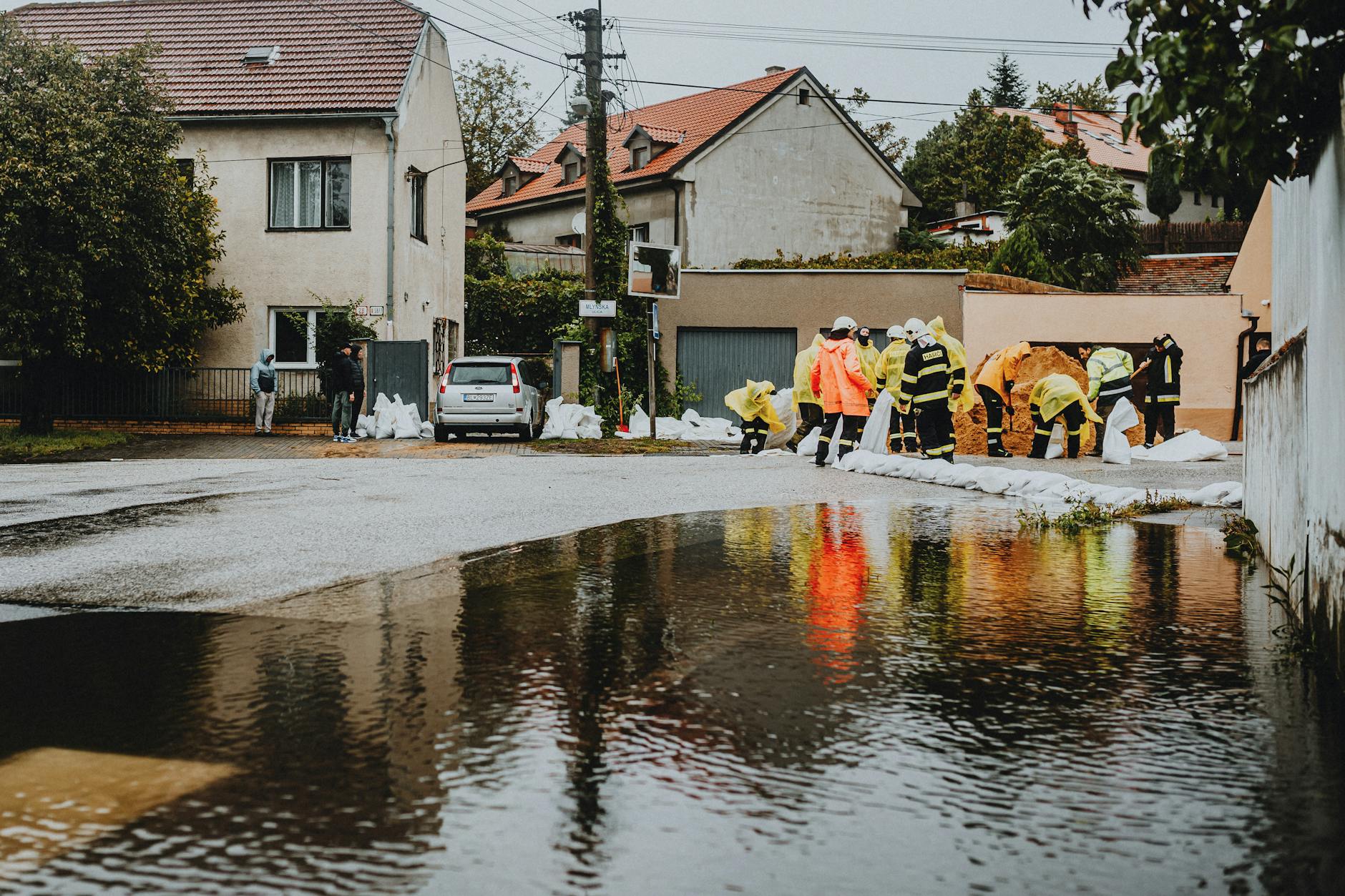
The spill has disrupted daily life for thousands. Schools and businesses closed temporarily, and local economies face losses from fishing bans and reduced tourism. Community leaders are demanding more robust disaster planning and compensation from Norfolk Southern.Nonprofit organizations have mobilized to support affected families, distributing water and providing health screenings. Public meetings have drawn large crowds, with residents voicing frustration over perceived delays in cleanup and information sharing.
What’s Next?
Cleanup is expected to take months, with full ecological recovery possibly taking years. Federal and state agencies have pledged ongoing support and transparency. Lawmakers are drafting new legislation aimed at preventing similar disasters nationwide.The Ohio River spill serves as a stark reminder of the vulnerabilities in America’s infrastructure and the need for proactive environmental safeguards. The lessons learned will shape policy, industry practices, and community resilience for years to come.
Sources: This article draws on information from Reuters, The Cincinnati Enquirer, The New York Times, NPR, the U.S. EPA, the Ohio Department of Natural Resources, and the Ohio River Foundation.
Sources: Information sourced from Reuters, The Cincinnati Enquirer, The New York Times, NPR, the U.S. EPA, and Ohio River Foundation reports.