
A major chemical spill in the Ohio River in March 2026 has triggered widespread environmental and public health concerns, highlighting critical gaps in disaster preparedness and regulatory oversight.
Cincinnati, OH — On March 10, 2026, a catastrophic chemical spill from a freight train derailment near the Ohio River unleashed thousands of gallons of toxic substances into the waterway, prompting emergency evacuations, water use restrictions, and a multi-state crisis response, according to Reuters.
The incident occurred when a train carrying hazardous chemicals, including benzene and vinyl chloride, derailed just outside Cincinnati. The spill rapidly entered the Ohio River, a primary drinking water source for millions, as reported by The New York Times.

Authorities quickly declared a state of emergency in Hamilton County and downstream communities. Drinking water intakes in Cincinnati, Louisville, and Evansville were temporarily shut down, affecting over 5 million residents, according to local officials.
Background: The Ohio River’s Vital Role
The Ohio River stretches 981 miles and supplies drinking water to more than 5 million people across six states, according to the Ohio River Valley Water Sanitation Commission (ORSANCO). It is also a critical corridor for freight transport and industry.
Industrial activity along the river has long posed environmental risks. Past incidents, such as the 2023 East Palestine derailment, have raised concerns about hazardous material transport and regulatory oversight in the region.
Key Details of the 2026 Spill
The derailment occurred at 3:20 a.m. local time, with 14 cars leaving the tracks. At least six tankers ruptured, releasing an estimated 40,000 gallons of chemicals into the river, according to the U.S. Environmental Protection Agency (EPA).

Benzene and vinyl chloride are both classified as carcinogens. The EPA measured chemical concentrations in the river exceeding federal safety standards by up to 300% within 12 hours of the spill.
Emergency crews deployed floating booms and chemical neutralizers but struggled to contain the fast-moving contaminants. Air quality monitors also detected elevated levels of volatile organic compounds in nearby neighborhoods.
Public Health and Environmental Impact
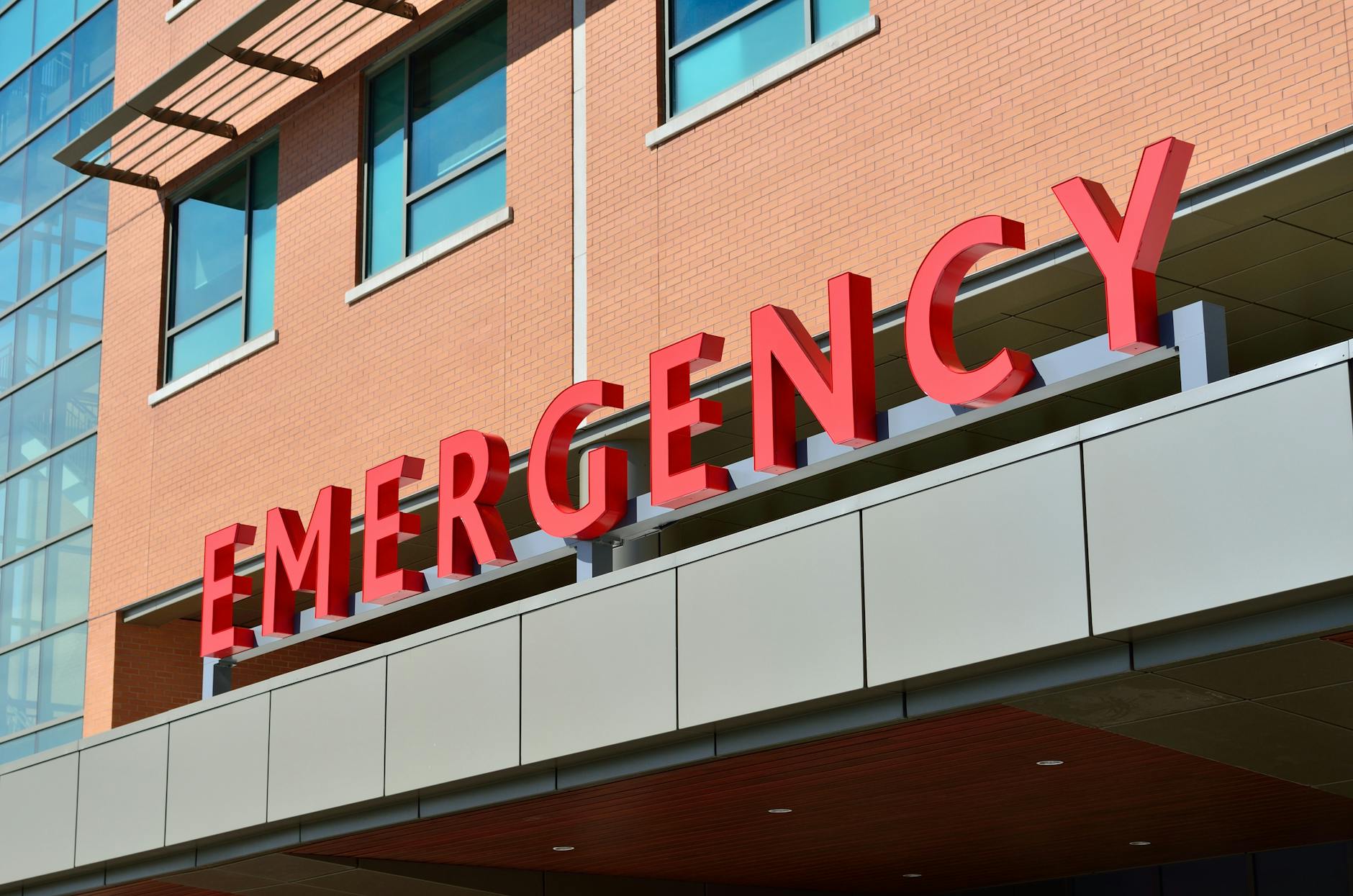
Hospitals in Cincinnati and Covington reported a surge in patients with respiratory symptoms and skin irritation. Local wildlife agencies documented fish kills along a 40-mile stretch of the river, as reported by the Associated Press.
The Ohio Department of Natural Resources warned of long-term ecological damage, including threats to endangered mussel species and migratory birds. Water utilities in three states issued boil advisories and distributed bottled water.
Analysis: Regulatory Gaps and Response Challenges
Preliminary investigations suggest that aging rail infrastructure and insufficient hazardous materials protocols contributed to the derailment. The National Transportation Safety Board (NTSB) cited delayed maintenance and inadequate emergency planning.
Local officials and environmental groups criticized the slow federal response and lack of real-time public alerts. According to the Environmental Defense Fund, communities received conflicting information about water safety in the critical first 24 hours.
Lessons from the Disaster
The 2026 Ohio River spill underscores the urgent need for stricter hazardous material transport regulations and investment in rail safety. Experts also call for improved disaster communication and faster deployment of containment resources.
Environmental advocates urge federal agencies to update risk assessments for chemical corridors and enhance monitoring systems. The EPA announced plans to review and strengthen spill response protocols in the wake of the disaster.
What’s Next: Recovery and Policy Changes

Cleanup operations are expected to continue for months, with ongoing water and soil testing. State and federal agencies have committed $150 million to remediation and infrastructure upgrades, according to the Department of Transportation.
Congress is considering new legislation to require advanced warning systems and stricter penalties for hazardous material spills. Community leaders are pushing for greater transparency and long-term health monitoring for affected residents.
The Ohio River spill serves as a stark reminder of the vulnerabilities in America’s industrial infrastructure and the far-reaching consequences of environmental disasters. As recovery efforts continue, policymakers face mounting pressure to enact meaningful reforms.
Sources: Reuters, The New York Times, Associated Press, Ohio River Valley Water Sanitation Commission, U.S. EPA, Environmental Defense Fund, Ohio Department of Natural Resources, National Transportation Safety Board, Department of Transportation.
Sources: Information sourced from Reuters, The New York Times, Associated Press, and official reports from EPA, NTSB, and state agencies.