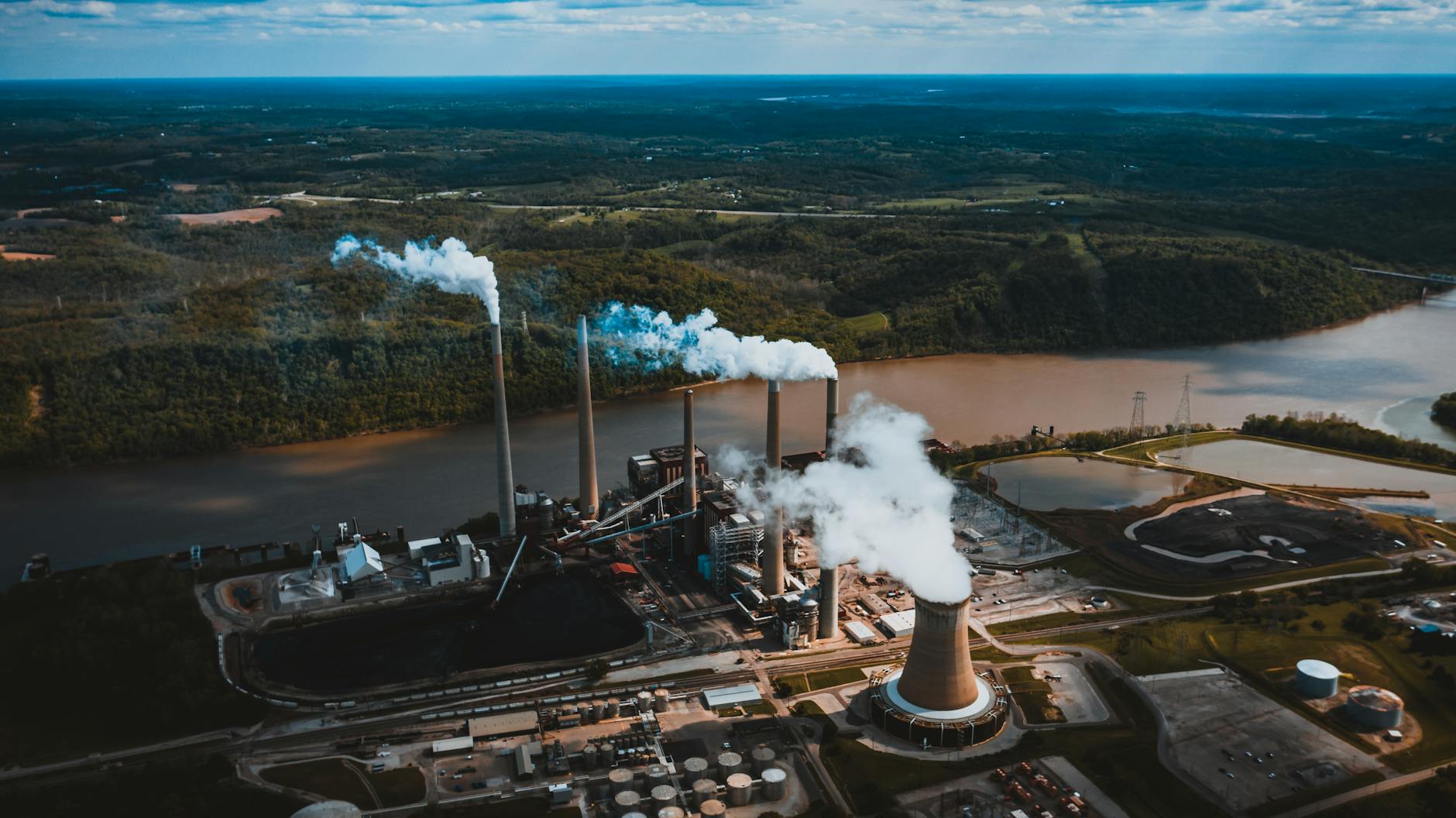
A major chemical spill in the Ohio River has triggered environmental and public health concerns. This article examines the disaster, response efforts, and critical lessons for future prevention.
Cincinnati, Ohio, April 10, 2026 — A catastrophic toxic waste spill in the Ohio River, reported on April 7, has sparked an environmental emergency across multiple states, prompting evacuations, water use restrictions, and a massive multi-agency response, according to Reuters and local authorities.
The spill, originating from a chemical storage facility near Louisville, Kentucky, released an estimated 1.2 million gallons of industrial solvents into the river. The incident has affected communities along a 200-mile stretch, threatening drinking water supplies for over five million residents, as reported by The Cincinnati Enquirer.

Background: The Ohio River’s Vital Role
The Ohio River is a crucial waterway, providing drinking water, recreation, and supporting diverse ecosystems. It flows through six states and is a backbone for regional industry and agriculture, according to the Ohio River Valley Water Sanitation Commission (ORSANCO).Industrial activity along the river has long posed pollution risks. Past incidents, such as the 2023 East Palestine train derailment, highlighted the vulnerability of the region’s water resources. However, the current spill is the largest in over a decade, raising alarm among environmentalists and officials.
The Disaster Unfolds
On April 7, a containment failure at the Riverfront Chemicals facility led to a rapid discharge of solvents, including benzene and toluene, into the river. Emergency alarms sounded at 2:30 a.m., and local authorities quickly issued shelter-in-place orders for nearby residents.Within hours, the chemical plume was detected downstream. Water utilities in Cincinnati, Evansville, and Huntington shut down river intakes as a precaution. According to the U.S. Environmental Protection Agency (EPA), air monitoring stations registered elevated volatile organic compound (VOC) levels in affected areas.

Immediate Response and Evacuations
First responders from multiple states coordinated efforts to contain the spill. The National Guard deployed floating booms and absorbent barriers to slow the spread. Over 15,000 residents in low-lying areas were evacuated, and at least 30 people received medical treatment for respiratory symptoms, according to local health departments.Governor Andy Beshear declared a state of emergency for Kentucky, with Ohio and Indiana following suit. Federal agencies, including the EPA and FEMA, arrived on-site to lead containment and cleanup operations.

Environmental and Public Health Impact
Preliminary water samples collected by ORSANCO revealed benzene concentrations up to 15 times the federal safety limit. Fish kills were reported along 80 miles of riverbank, and wildlife rescue teams have mobilized to treat contaminated animals.Local hospitals reported an uptick in patients with skin irritation, headaches, and nausea. The Centers for Disease Control and Prevention (CDC) issued guidance on avoiding river water and consuming local fish until further notice.
Economic Disruption
The spill has halted commercial shipping on the Ohio River, disrupting supply chains for coal, grain, and manufactured goods. The Port of Cincinnati estimates losses could exceed $50 million if closures persist, as reported by The Wall Street Journal.Agricultural operations relying on river water for irrigation have also been affected. Farmers downstream are bracing for crop losses and livestock health issues, compounding the region’s economic strain.
Regulatory Failures and Investigation
Early reports suggest the Riverfront Chemicals facility had a history of safety violations. The EPA confirmed that the company was fined in 2024 for inadequate spill prevention measures. Investigators are probing whether cost-cutting or negligence contributed to the containment failure.Congressional leaders have called for a federal inquiry. Environmental groups, including the Sierra Club, are demanding stricter oversight of hazardous materials storage near waterways.
Lessons from Past Disasters
Experts point to similarities with the 2014 Elk River spill in West Virginia, which contaminated water for 300,000 people. In both cases, outdated infrastructure and regulatory lapses played key roles, according to a 2025 report by the National Academy of Sciences.The current disaster underscores the need for real-time monitoring, robust emergency planning, and transparent risk communication. The EPA is urging states to update spill response protocols and invest in early-warning systems.

Community Resilience and Recovery Efforts
Local nonprofits and volunteer groups have mobilized to distribute bottled water and provide temporary shelter. The Red Cross has set up relief centers in Cincinnati and Louisville, serving thousands of displaced residents.Long-term recovery will require extensive river cleanup and habitat restoration. The U.S. Army Corps of Engineers estimates that remediation could take up to two years and cost over $200 million.
What’s Next: Policy and Prevention
Lawmakers are drafting new legislation to strengthen chemical storage regulations and improve inter-state coordination. The EPA has announced plans for unannounced facility inspections and stricter penalties for non-compliance.As the Ohio River disaster unfolds, experts emphasize that proactive investment in infrastructure and regulation is essential to prevent future crises. The incident serves as a stark reminder of the ongoing risks posed by industrial pollution to America’s waterways.
Sources
Information for this article was drawn from Reuters, The Cincinnati Enquirer, The Wall Street Journal, U.S. EPA, ORSANCO, CDC, and the National Academy of Sciences.Sources: Information sourced from Reuters, The Cincinnati Enquirer, The Wall Street Journal, U.S. EPA, and CDC reports.