
The UK government has announced significant changes to post-study work visa policies, impacting thousands of international students, especially from India, and prompting widespread reaction from universities and stakeholders.
London, March 31, 2026: The UK government has unveiled sweeping changes to its post-study work visa policies, a move set to affect over 140,000 international students, with Indian nationals being among the most impacted, according to The Guardian.
The new policy, which takes effect from July 2026, reduces the Graduate Route visa duration from two years to just six months for most international graduates. The Home Office states the changes aim to address concerns about migration numbers and prioritize high-skilled employment.

Background: Surge in International Student Numbers
The UK has seen a record influx of international students in recent years. According to Universities UK, over 680,000 foreign students enrolled in 2025, with Indians constituting the largest group after Chinese students.The Graduate Route, introduced in 2021, allowed international graduates to remain in the UK for two years after completing their studies to seek employment. This policy was credited for the surge in applications, especially from South Asia, as reported by BBC News.
Key Changes in the 2026 Visa Policy
Under the revised rules, only graduates with job offers in occupations classified as 'high-skilled' by the Migration Advisory Committee will be eligible for a one-year extension. Others must secure employment within six months or leave the UK.The government also raised the minimum salary threshold for skilled worker visas to £38,000 per annum, up from £26,200. This change is expected to make it harder for recent graduates to qualify for long-term work visas, according to The Times.
Impact on Indian Students
Indian students, who received over 140,000 UK study visas in 2025 (Home Office data), are likely to be disproportionately affected. Many rely on the two-year window to gain work experience and secure skilled jobs.The National Indian Students and Alumni Union UK (NISAU UK) expressed concern, stating that the shortened visa period may deter prospective applicants and disrupt career plans for current students.
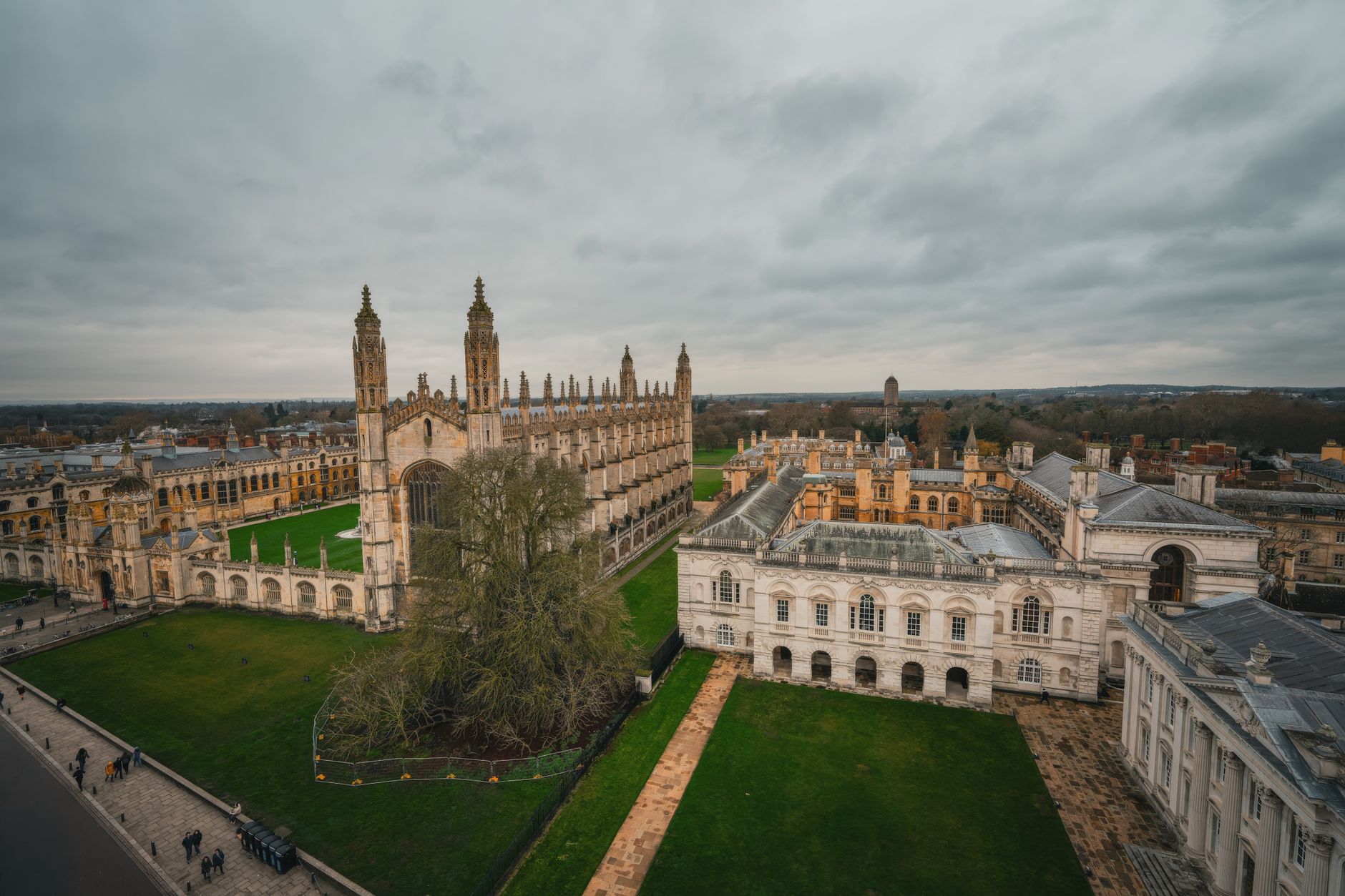
Universities Voice Concerns
British universities have criticized the move, warning it could undermine the UK's competitiveness in global education. Professor Sally Mapstone, President of Universities UK, told The Guardian that the changes "risk reversing years of progress in attracting international talent."Universities rely on international student fees, which account for nearly 20% of total income, according to Higher Education Statistics Agency data. Some institutions fear budget shortfalls and reduced diversity on campus.
Government Rationale and Political Context
Home Secretary James Cartwright defended the policy, citing public pressure to curb net migration, which reached 745,000 in 2025 (Office for National Statistics). "We must ensure our visa system serves the UK's economic interests," Cartwright said in Parliament.The policy shift comes amid a broader tightening of immigration rules across Europe and North America, as governments respond to domestic concerns about jobs and housing.
Student Reactions and Protests
Student unions across the UK have organized protests and petitioned for a review of the policy. "This abrupt change leaves thousands in limbo," said Priya Desai, a postgraduate student from Mumbai, in an interview with BBC News.Social media campaigns under hashtags like #SaveGraduateRoute have trended in both the UK and India, highlighting personal stories and urging policymakers to reconsider.
Analysis: Global Competition for Talent
Experts warn the UK risks losing ground to countries like Canada and Australia, which offer more generous post-study work options. According to QS World University Rankings, student preferences are increasingly shaped by visa policies.Education consultants in India report a surge in inquiries about alternative destinations. "We expect a 20% drop in UK-bound applications for the 2027 intake," said Rajiv Mehra of StudyAbroad India, citing client feedback.

Potential Impact on UK Economy
International students contributed an estimated £41 billion to the UK economy in 2025, per Universities UK. Reduced enrolments could impact local economies, especially in university towns.The Confederation of British Industry (CBI) has urged the government to balance migration control with the need for skilled workers, warning of potential skills shortages in sectors like healthcare and engineering.
What’s Next: Calls for Policy Review
Stakeholders are lobbying for transitional arrangements for current students and a sector-wide consultation. The Home Office has indicated a willingness to monitor the policy’s impact and make adjustments if necessary.Sources: The Guardian, BBC News, The Times, Universities UK, UK Home Office, Office for National Statistics, Higher Education Statistics Agency, QS World University Rankings.
Sources: Information sourced from The Guardian, BBC News, The Times, Universities UK, and official UK government statistics.