
Spring 2026 sees a surge in maximalist fashion, with bold colors, eclectic prints, and layered textures defining runways and street style, signaling a dramatic shift from recent minimalist trends.
Maximalism has taken center stage in Spring 2026 fashion, with designers and influencers embracing bold colors, clashing prints, and layered accessories across global runways and city streets this February.
After several years of minimalist dominance, the fashion world is witnessing a dramatic pivot. This season’s collections at New York, Paris, and Milan Fashion Weeks have been saturated with vibrant hues, oversized silhouettes, and exuberant patterns, as reported by Vogue and Harper’s Bazaar.

Background: From Minimalism to Maximalism
Minimalism, characterized by neutral palettes and clean lines, defined the industry since the early 2020s. However, post-pandemic optimism and a desire for self-expression are fueling a maximalist revival, according to The Business of Fashion.Designers such as Christopher John Rogers and Alessandro Michele have championed this shift, presenting collections that celebrate individualism and exuberance. Their Spring 2026 shows featured multi-layered ensembles, statement jewelry, and unexpected color combinations.
Key Elements of the Maximalist Trend
At the core of this trend are saturated colors like electric blue, fuchsia, and chartreuse, as seen in Prada’s and Versace’s latest lines. Layering is prominent, with sheer fabrics over bold prints and chunky accessories stacked for dramatic effect.Print mixing, once considered a fashion faux pas, is now encouraged. Plaids, florals, and geometric patterns are combined in single outfits, reflecting a playful disregard for conventional matching rules, according to Elle magazine’s Spring 2026 trend report.

Textural experimentation is also central. Designers incorporate feathers, sequins, metallics, and tactile knits, creating visually rich and touchable garments. This approach appeals to consumers seeking sensory engagement, as highlighted by WGSN’s trend analysis.
Influence of Social Media and Street Style
Social media platforms like TikTok and Instagram have accelerated the maximalist movement. Influencers and celebrities are showcasing daring looks, inspiring millions to experiment with bolder choices in their everyday wardrobes.The hashtag #MaximalistFashion has garnered over 2.5 billion views on TikTok as of February 2026, according to platform analytics. Street style photographers at Fashion Week events have captured attendees in vibrant, layered outfits, further amplifying the trend.
Retailers Respond to Consumer Demand
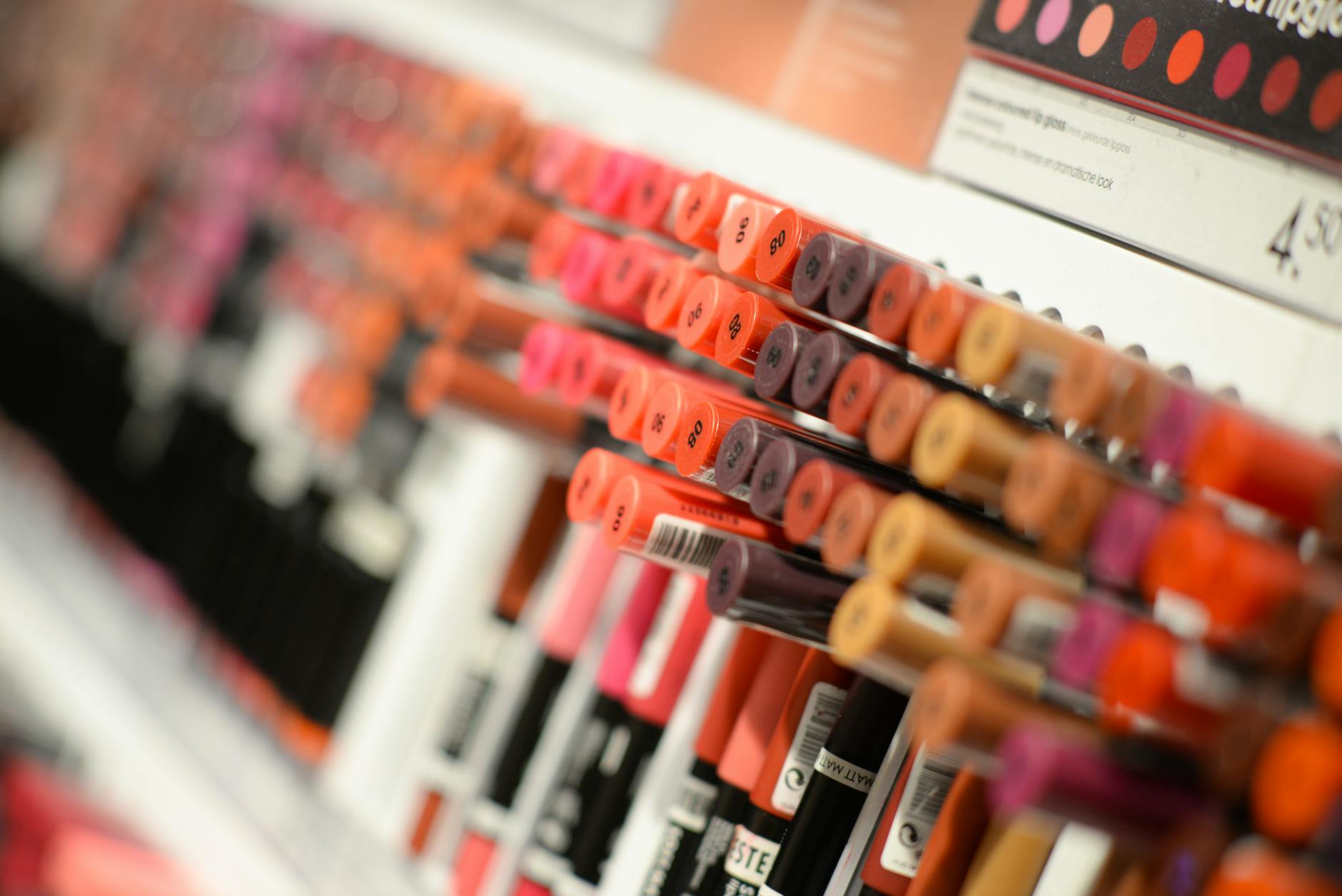
Major retailers like Zara, H&M, and ASOS have rapidly adapted, launching capsule collections featuring clashing prints and statement accessories. According to a report from The Business of Fashion, sales of brightly colored garments have increased by 18% year-over-year this quarter.Luxury brands are also capitalizing. Gucci’s Spring 2026 collection, described by Vogue as a 'riot of color and texture,' sold out of several key pieces within hours of release. This commercial success signals strong consumer appetite for maximalist aesthetics.
Analysis: Societal and Psychological Drivers
Experts suggest the maximalist surge is a response to years of global uncertainty. Dr. Valerie Steele, director of The Museum at FIT, told The New York Times that 'people crave joy and self-expression after prolonged restraint.'Color psychologists note that bright hues and bold patterns can boost mood and confidence. The American Psychological Association reports a 24% rise in consumer interest in expressive fashion as a form of emotional resilience post-pandemic.
Cultural shifts are also at play. Gen Z and Millennials, who dominate fashion spending, value individuality and reject prescriptive style rules. Their influence is visible in the eclectic, personal approach to dressing seen on social platforms.
Impact on Sustainable Fashion
While maximalism encourages creativity, it raises questions about sustainability. Fast fashion’s quick response to trends can exacerbate waste, but some brands are using upcycled materials and modular designs to align with eco-conscious values, as reported by The Guardian.Designers like Stella McCartney and Marine Serre are integrating sustainability into maximalist collections, using recycled fabrics and encouraging consumers to restyle existing pieces in new, bold ways.
What’s Next: Will Maximalism Last?
Fashion analysts predict the maximalist wave will continue through 2026, with possible evolution toward more personalized and sustainable interpretations. WGSN forecasts increased demand for customizable fashion and digital styling tools.Some industry insiders caution that trends are cyclical, and a return to minimalism could follow. However, the current appetite for color, texture, and exuberance shows no sign of waning as Spring 2026 unfolds.
Sources: This report draws on coverage from Vogue, Harper’s Bazaar, The Business of Fashion, The New York Times, Elle, WGSN, The Guardian, and APA reports.
Sources: Information sourced from Vogue, Harper’s Bazaar, The Business of Fashion, The New York Times, and other leading fashion and industry reports.