
Spring 2026 sees maximalism take center stage, with bold colors, layered prints, and statement accessories making waves on global runways and influencing everyday fashion choices.
Maximalism has emerged as the defining trend of Spring 2026, captivating designers, celebrities, and consumers with its bold colors, eclectic patterns, and unapologetic layering, according to Vogue’s coverage of recent fashion weeks in Paris and New York.
This season, the fashion world has pivoted from minimalist aesthetics to a celebration of excess and individuality. The shift is evident in the collections of major designers and the outfits seen on influencers and city streets worldwide.

Runway Highlights: A Riot of Color and Texture
Designers such as Marc Jacobs, Versace, and Balmain unveiled collections filled with clashing prints, oversized silhouettes, and layers of accessories. According to Harper’s Bazaar, the Paris Fashion Week finale featured models in neon hues, metallic fabrics, and exaggerated ruffles.The New York runways echoed this sentiment, with designers like Christopher John Rogers and Prabal Gurung showcasing voluminous skirts, vibrant florals, and playful textures. The trend is a reaction to the subdued palettes and streamlined cuts that dominated previous seasons.
Celebrity Endorsements Fuel the Trend
High-profile celebrities have embraced maximalism, amplifying its reach. Zendaya’s appearance at the Met Gala in a multi-layered, jewel-toned ensemble was widely shared across social media, as reported by Elle. Similarly, Harry Styles’ recent tour wardrobe—featuring sequined jackets and bold prints—has inspired fans to experiment with their own style.Social media platforms, especially TikTok and Instagram, have accelerated the trend’s popularity. Hashtags like #MaximalistSpring and #BoldFashion2026 have garnered millions of views, with users posting their takes on the season’s most daring looks.

Retailers Respond: Maximalism Hits Mainstream
Major retailers are capitalizing on the trend. According to data from The Business of Fashion, sales of brightly colored garments and statement accessories have surged by 18% compared to last year. Fast fashion brands such as Zara and H&M have launched capsule collections featuring oversized jewelry, patterned trousers, and neon blazers.Luxury houses are also tapping into the maximalist wave. Gucci’s Spring 2026 collection is characterized by eclectic layering and bold color blocking, while Louis Vuitton’s latest campaign features models in mismatched prints and chunky footwear.

Street Style: Everyday Maximalism
The influence of maximalism extends beyond runways and celebrities. Street style photographers in cities like London, Tokyo, and Milan have documented a surge in experimental outfits. According to The Guardian, young consumers are mixing vintage pieces, DIY embellishments, and thrifted accessories to create unique, expressive looks.Fashion analysts note that this democratization of maximalism is driven by a desire for self-expression and optimism after years of global uncertainty. The trend encourages individuals to break traditional fashion rules and embrace personal creativity.
Key Elements of Spring 2026 Maximalism
Several defining features characterize the maximalist trend this season. These include layering contrasting prints, combining textures such as silk and denim, and accessorizing with oversized jewelry and colorful handbags. Statement footwear—such as platform sandals and embellished sneakers—completes the look.Color is central to the trend, with Pantone’s Spring 2026 palette dominated by electric blue, hot pink, and lime green. According to Pantone’s Color Institute, these shades reflect a collective yearning for joy and boldness.
Sustainability and Maximalism
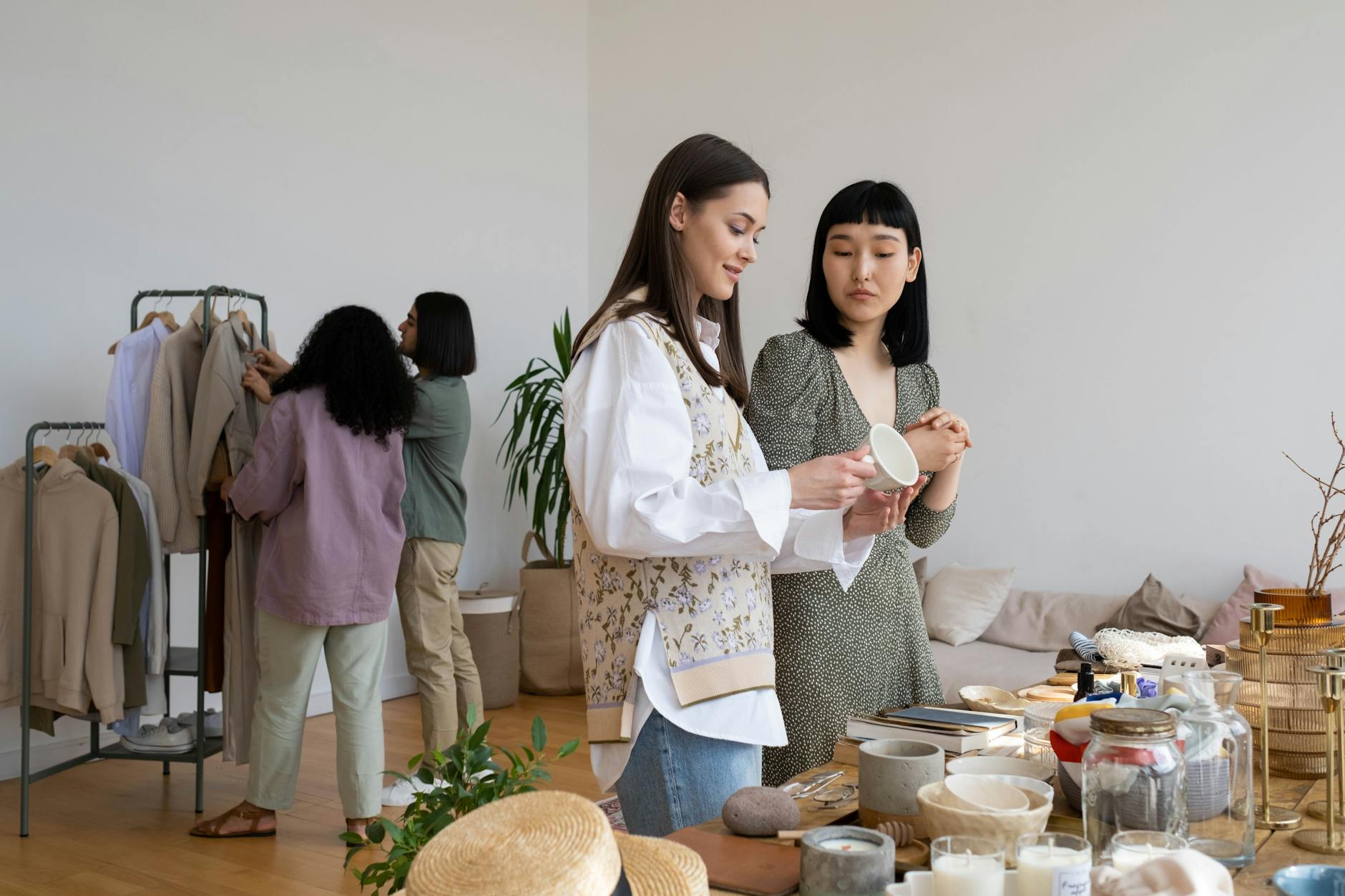
While maximalism is often associated with excess, many designers are incorporating sustainable practices. Upcycling, vintage sourcing, and eco-friendly materials are being used to create statement pieces. Stella McCartney’s latest collection, for example, features recycled sequins and organic cotton.Consumers are also embracing sustainable maximalism by shopping secondhand and customizing existing wardrobes. According to a report by ThredUp, resale platforms have seen a 22% increase in demand for bold, unique pieces.
Industry Analysis: Why Maximalism, Why Now?
Fashion historians attribute the rise of maximalism to a cyclical reaction against minimalism and the influence of post-pandemic optimism. Dr. Valerie Steele, director of The Museum at FIT, told The New York Times that periods of social change often lead to more expressive fashion.Economic factors also play a role. As inflation stabilizes and consumer confidence grows, shoppers are more willing to invest in statement pieces. Retail analysts at McKinsey report that discretionary spending on fashion increased by 12% in early 2026.
Challenges and Critiques
Not all responses to maximalism are positive. Some critics argue that the trend can be exclusionary due to higher costs and environmental impact. However, advocates point to the rise of accessible, sustainable options and the trend’s encouragement of creativity over consumption.Fashion psychologists highlight the mood-boosting effects of color and self-expression. Dr. Dawnn Karen, author of "Dress Your Best Life," told CNN that maximalism can foster confidence and a sense of community among wearers.
What’s Next: The Future of Maximalism
Experts predict that maximalism will continue to influence fashion through the end of 2026, evolving to incorporate more digital and tech-driven elements. Virtual fashion shows and augmented reality try-ons are expected to showcase even bolder designs.Designers are already experimenting with interactive fabrics and customizable accessories. As technology and sustainability merge with maximalism, the trend is poised to remain at the forefront of fashion innovation.
Sources
This article is based on reporting from Vogue, Harper’s Bazaar, The Guardian, The Business of Fashion, The New York Times, and data from Pantone and McKinsey.Sources: Information sourced from Vogue, Harper’s Bazaar, The Guardian, The Business of Fashion, The New York Times, Pantone, and McKinsey reports.