
Spring 2026 sees maximalism take center stage in fashion, with bold colors, oversized silhouettes, and eclectic patterns defining the season’s most talked-about trends across runways and retail.
Maximalism has emerged as the defining fashion trend of Spring 2026, captivating designers, influencers, and consumers worldwide with its exuberant colors, oversized silhouettes, and daring patterns, as seen in major fashion weeks this March.
The Spring 2026 collections, unveiled in New York, Paris, Milan, and London, have collectively embraced a 'more is more' philosophy. According to Vogue, designers like Marc Jacobs, Versace, and Christopher John Rogers have led the charge, making maximalism the season’s most visible trend.

This new wave of maximalism is characterized by clashing prints, voluminous layers, and a fearless approach to color blocking. Retailers such as Net-a-Porter and Farfetch report a 40% uptick in sales of bold, statement pieces compared to last spring, according to The Business of Fashion.
Background: The Rise of Maximalism
Maximalism’s resurgence follows several seasons of minimalist, neutral-toned fashion. Industry analysts, including those at WGSN, attribute the shift to a collective desire for optimism and self-expression post-pandemic, as consumers seek joy and individuality in their wardrobes.
Social media platforms, especially TikTok and Instagram, have amplified the maximalist movement. Viral challenges like #DopamineDressing and #ColorClash have inspired millions to experiment with bold looks, further fueling retail demand, as reported by Harper’s Bazaar.
Key Details: What Defines Spring 2026 Maximalism?

Leading designers are showcasing oversized blazers, balloon sleeves, and dramatic ruffles. Versace’s Spring 2026 show featured neon green trench coats and sequined dresses layered over graphic prints, while Marc Jacobs sent models down the runway in voluminous tulle skirts and technicolor jackets.
Accessories have also gone maximalist. Chunky jewelry, oversized sunglasses, and patterned handbags are now must-haves. According to Lyst’s quarterly report, searches for 'statement earrings' and 'bold handbags' have increased by 55% since January.
Color is central to the trend. Pantone’s Color of the Year, 'Radiant Raspberry,' is everywhere—from street style to luxury boutiques. Designers are pairing unexpected hues, such as fuchsia with chartreuse or cobalt blue with tangerine, creating eye-catching ensembles.
Eclectic Patterns and Prints
Eclectic prints—florals, geometrics, and animal motifs—are layered with abandon. Christopher John Rogers’ collection, for example, juxtaposed polka dots with stripes and paisleys, a move praised by The New York Times for its 'fearless creativity.'
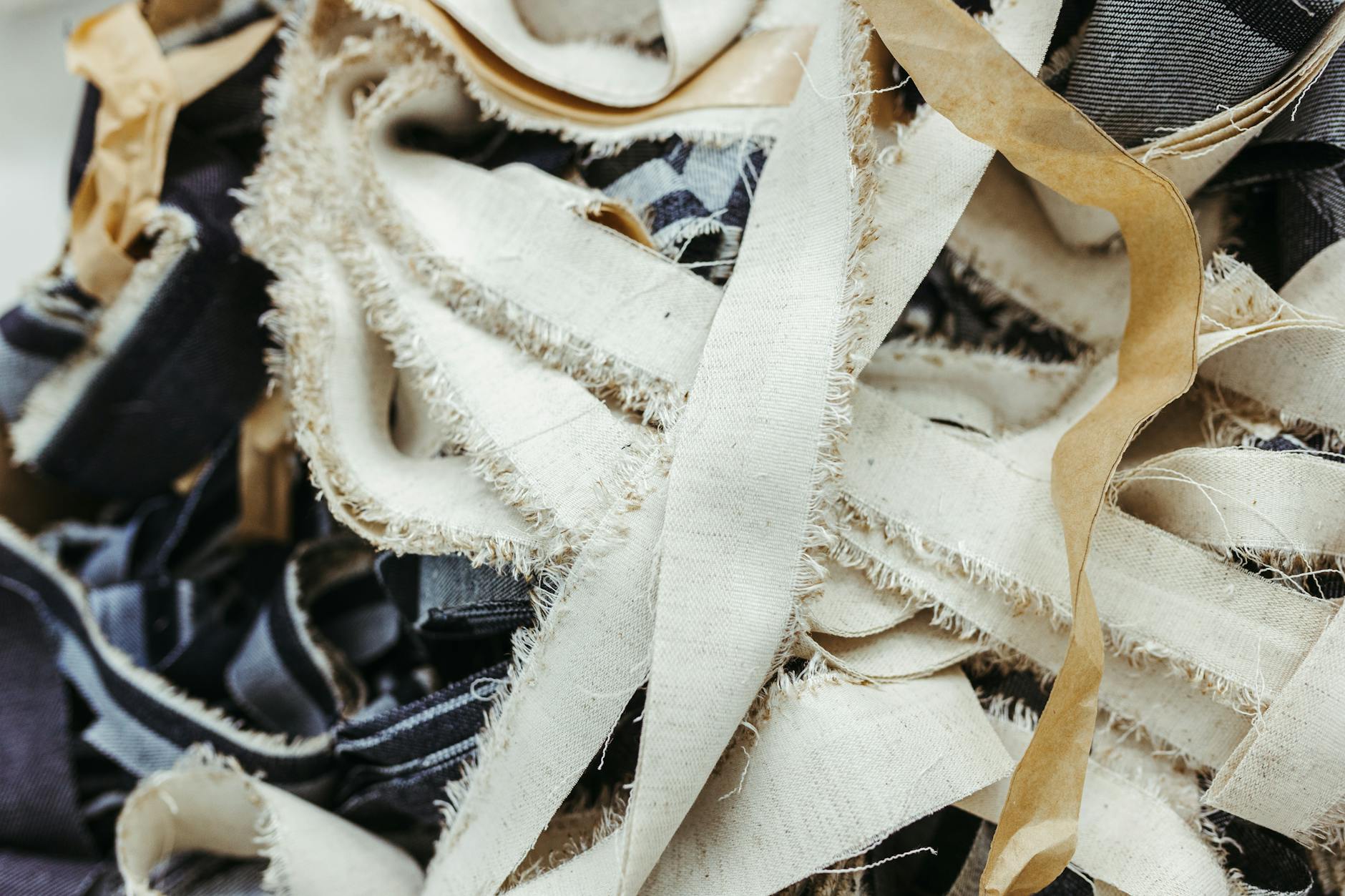
Patchwork and upcycled materials are also prominent, reflecting a growing emphasis on sustainability. According to Elle, several designers have incorporated vintage fabrics and deadstock textiles, blending maximalist aesthetics with eco-conscious practices.
Analysis: Why Maximalism Now?
Fashion psychologists suggest that maximalism’s popularity is a reaction to years of uncertainty and subdued dressing. Dr. Carolyn Mair, author of 'The Psychology of Fashion,' told The Guardian that vibrant clothing can boost mood and foster a sense of empowerment.
Retail analysts note that the trend aligns with a broader cultural shift toward individuality. 'Consumers want to stand out and express their personalities,' says Sarah Owen of WGSN, citing the rise of personalized styling apps and custom fashion services.
Impact on Retail and Consumer Behavior
Brands embracing maximalism have seen notable sales growth. According to The Business of Fashion, luxury labels with bold collections reported a 30% increase in pre-orders for Spring 2026, while fast-fashion retailers have quickly adapted their offerings to meet demand.

Consumers are also sharing their maximalist looks online, driving further interest. Influencers like Zendaya and Emma Chamberlain have posted vibrant outfits to millions of followers, helping to cement the trend’s mainstream appeal.
What’s Next for Maximalism?
Industry experts predict that maximalism will continue through summer, with even more experimental silhouettes and color combinations. WGSN forecasts a rise in gender-fluid maximalist pieces and collaborations between established designers and emerging artists.
Sustainability will remain a focus, with brands exploring new ways to combine bold aesthetics with responsible sourcing. As the trend evolves, expect to see more upcycled couture and digital fashion experiences, according to Vogue Business.
Sources
Major sources for this article include Vogue, The Business of Fashion, Harper’s Bazaar, The New York Times, The Guardian, Lyst, Elle, WGSN, and Vogue Business.Sources: Information sourced from Vogue, The Business of Fashion, Harper’s Bazaar, The New York Times, The Guardian, and WGSN reports.