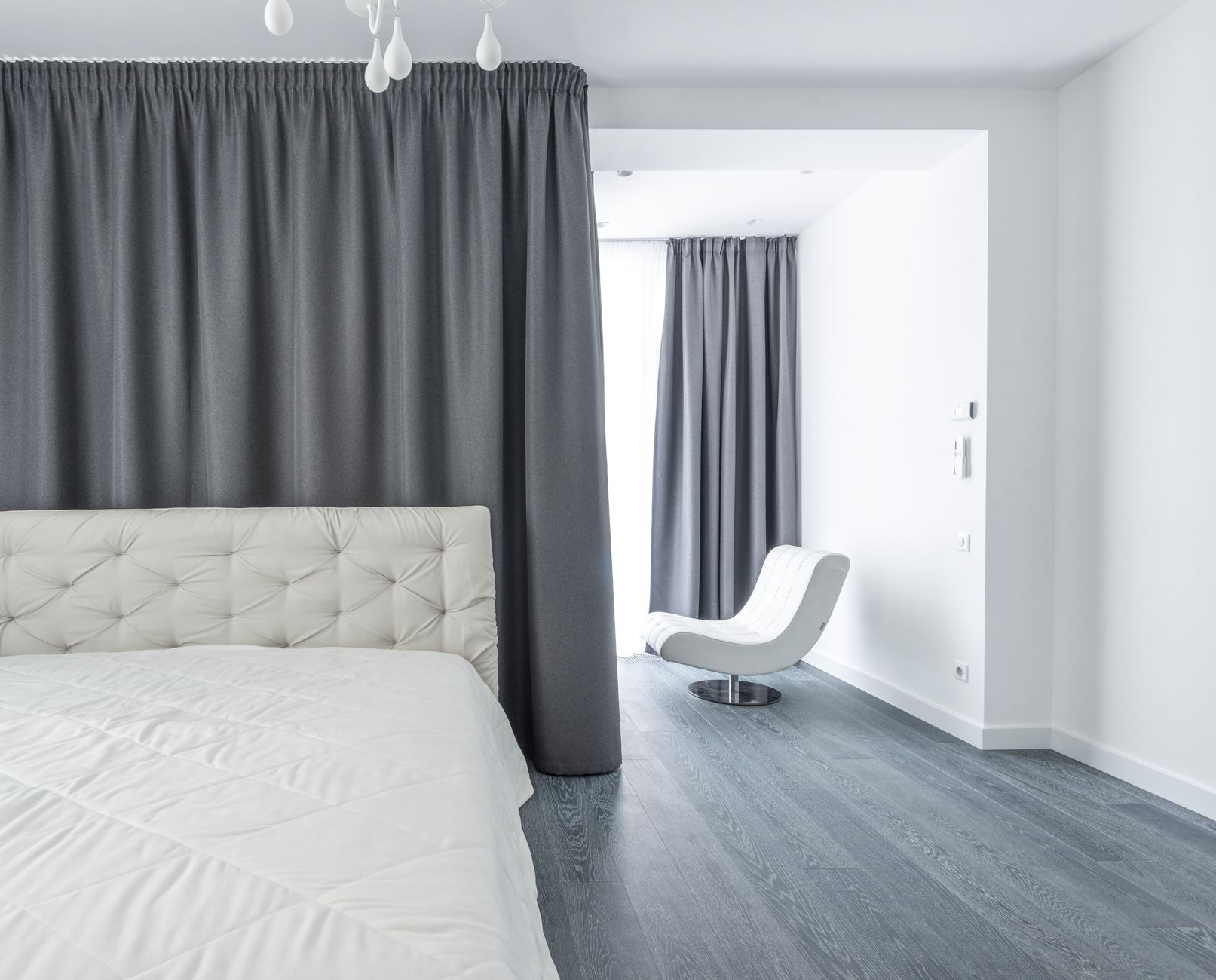
A trending TikTok challenge encouraging minimalist living has gone viral, inspiring millions of Gen Z users worldwide to declutter, embrace simplicity, and adopt new productivity hacks.
April 3, 2026 — A viral TikTok challenge called #30DayMinimalist has swept across social media platforms this week, encouraging millions of Gen Z users to declutter their spaces and embrace minimalist living. The challenge, which began trending on March 28, has rapidly gained traction, with over 200 million views on TikTok alone, according to SocialBlade analytics.
The #30DayMinimalist challenge asks participants to remove one item from their homes each day for 30 days, share their progress online, and implement daily productivity hacks. The phenomenon has ignited conversations about consumerism, mental health, and the benefits of a clutter-free lifestyle, as reported by The Guardian.
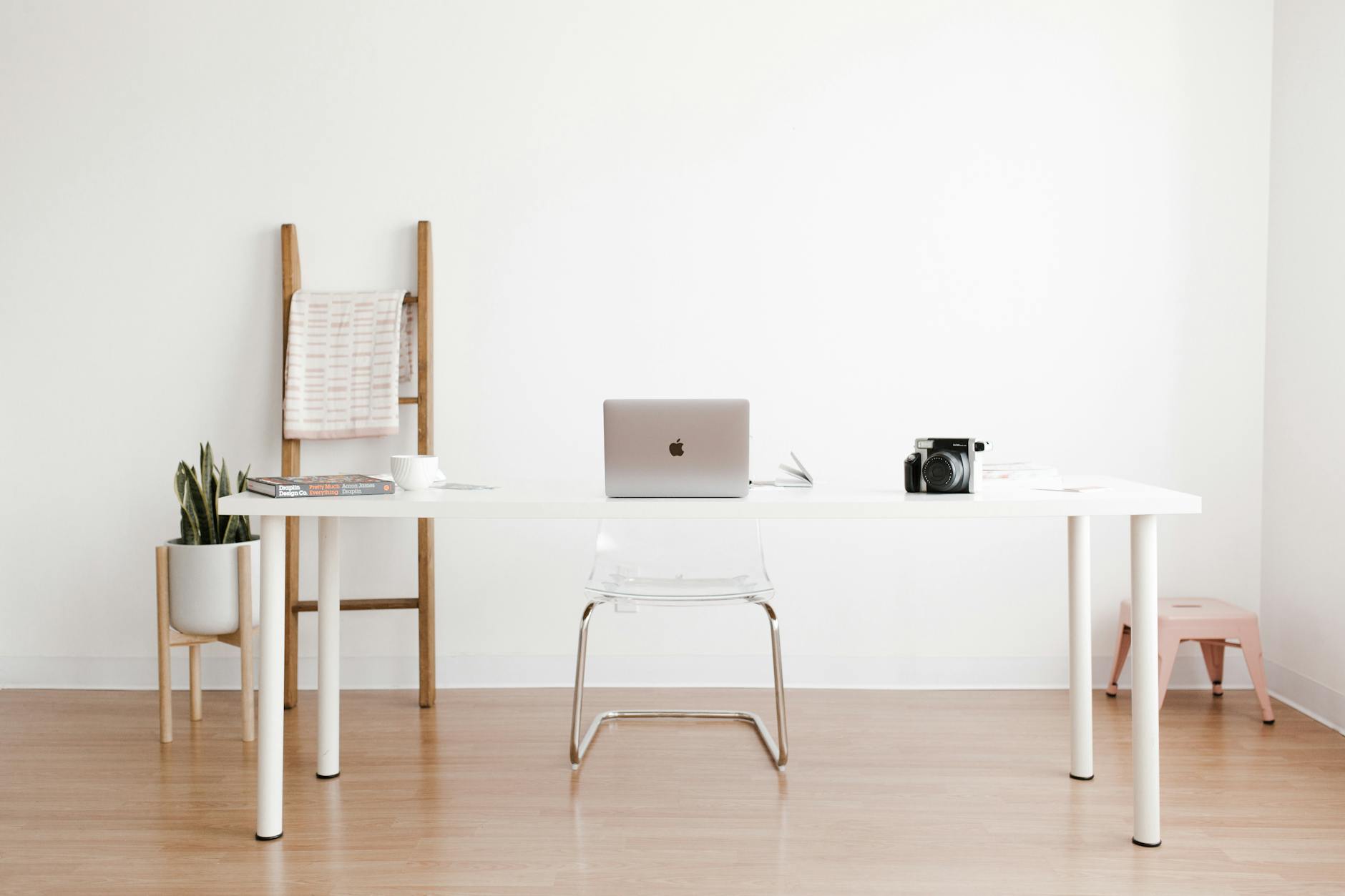
Origins of the Minimalism Trend
The minimalist movement has roots in the early 2000s, but its resurgence among younger generations is notable. According to a 2025 Pew Research Center survey, 64% of Gen Z respondents said they felt overwhelmed by possessions and digital clutter.The current spike in interest can be traced to TikTok influencer Maya Lin (@maya_minimalist), whose initial video on March 27 showcased her decluttering journey and simple productivity routines. Within 24 hours, her video amassed 8 million views and sparked a global trend.
How the Challenge Works
Participants commit to removing one item—anything from clothes to kitchen gadgets—each day. They also share daily productivity hacks, such as time-blocking or digital detoxes, using the hashtag #30DayMinimalist. TikTok data shows more than 1.5 million challenge-related videos uploaded in the past week.Many users report increased focus and reduced anxiety after only a few days. "I never realized how much my environment affected my mood and productivity," said 22-year-old participant Jamie Tran in an interview with BBC News.
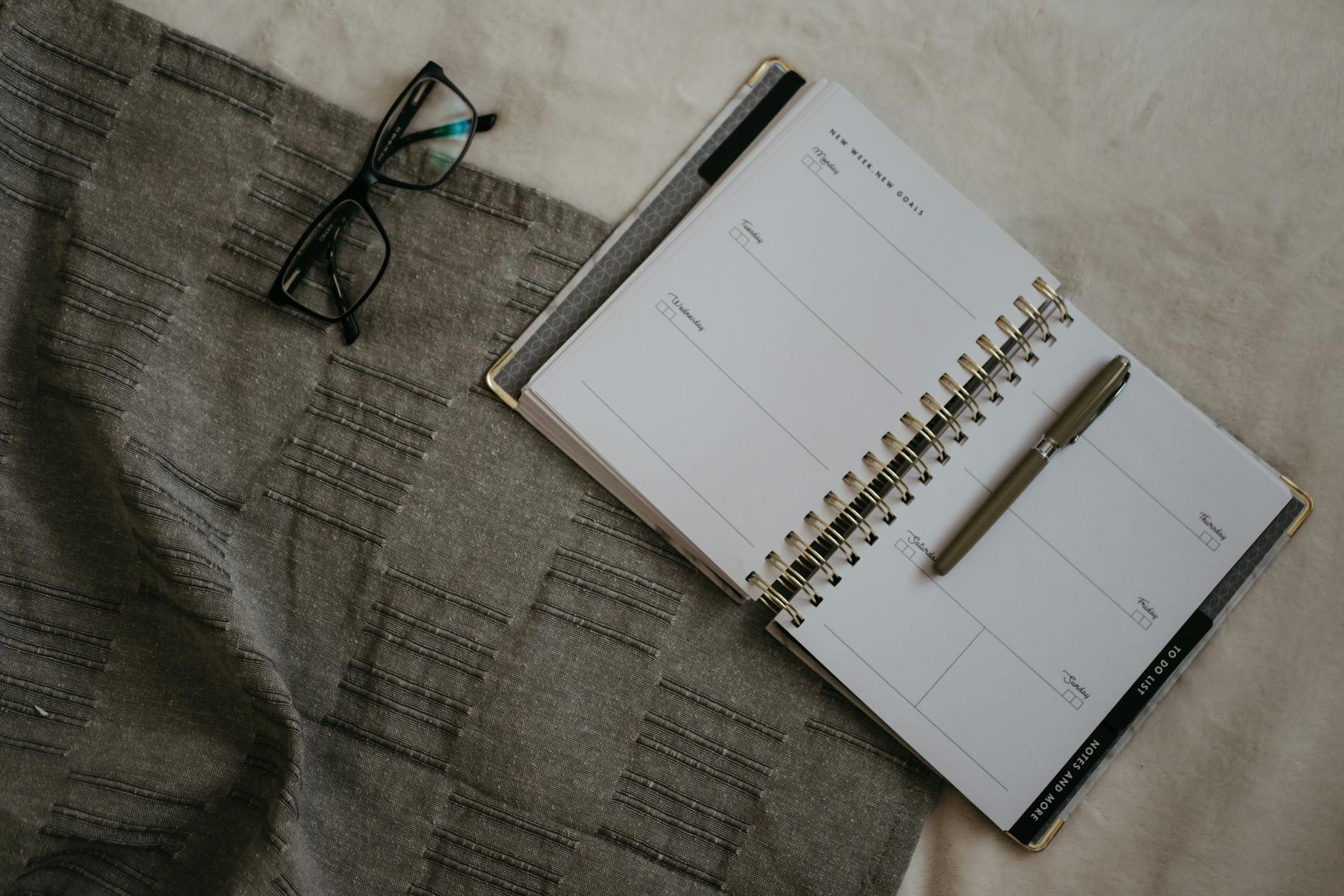
Productivity Hacks Gaining Popularity
Alongside decluttering, the challenge promotes productivity hacks such as the Pomodoro Technique, digital minimalism, and mindful morning routines. According to Lifehacker, searches for 'minimalist productivity hacks' have tripled since the challenge began.Experts say these strategies can have a measurable impact. Dr. Lisa Chen, a behavioral psychologist at Stanford University, told The New York Times that 'reducing visual and digital clutter correlates with better cognitive performance and lower stress.'
Brands and Influencers Join In
Major lifestyle brands like Muji and IKEA have launched social media campaigns supporting the challenge, offering discounts on storage solutions and minimalist furniture. Influencers across platforms are sharing before-and-after photos, further amplifying the trend.Some critics, however, caution against over-commercialization. "Minimalism is about intentional living, not just buying new things to appear tidy," notes author Joshua Becker, cited by The Guardian.
Impact on Mental Health
Early data suggests the challenge may benefit mental well-being. A 2026 survey by Headspace found that 78% of participants reported lower anxiety and improved sleep after two weeks of decluttering and adopting minimalist routines.Mental health professionals emphasize the connection between environment and emotional state. "A clutter-free space can reduce cognitive load, making it easier to focus and relax," says Dr. Chen.

Global Reach and Cultural Adaptations
The challenge has spread beyond the US and UK, with users in Japan, Brazil, and Germany adapting the rules to fit local customs. In Tokyo, participants focus on digital decluttering, while in Berlin, eco-friendly disposal methods are emphasized.Social media analytics firm Brandwatch reports that #30DayMinimalist is trending in 42 countries, with localized hashtags such as #MinimalismoBrasil and #MinimalismusDE gaining momentum.
Potential Downsides and Criticisms
Some mental health experts warn that extreme minimalism may lead to guilt or anxiety if not approached mindfully. "It's important to personalize the process and avoid comparison," advises Dr. Chen.Others highlight the privilege inherent in being able to choose what to discard. "Minimalism can overlook socioeconomic realities," says sociologist Dr. Priya Patel, as reported by The Guardian.
What’s Next for the Minimalism Movement?
With the challenge still trending, experts predict a lasting impact on consumer habits and digital culture. Brands are expected to introduce more minimalist-inspired products, while schools and workplaces may adopt decluttering initiatives.TikTok has announced plans to partner with mental health organizations to provide resources and support for users participating in the challenge, according to a company press release on April 2.
As the #30DayMinimalist challenge enters its second week, millions continue to share their journeys, inspiring a new wave of intentional living and productivity across the globe.
Sources: SocialBlade, The Guardian, BBC News, Lifehacker, The New York Times, Pew Research Center, Headspace, Brandwatch, TikTok press releases.
Sources: Information sourced from SocialBlade, The Guardian, BBC News, Lifehacker, The New York Times, Pew Research Center, Headspace, Brandwatch, and TikTok press releases.