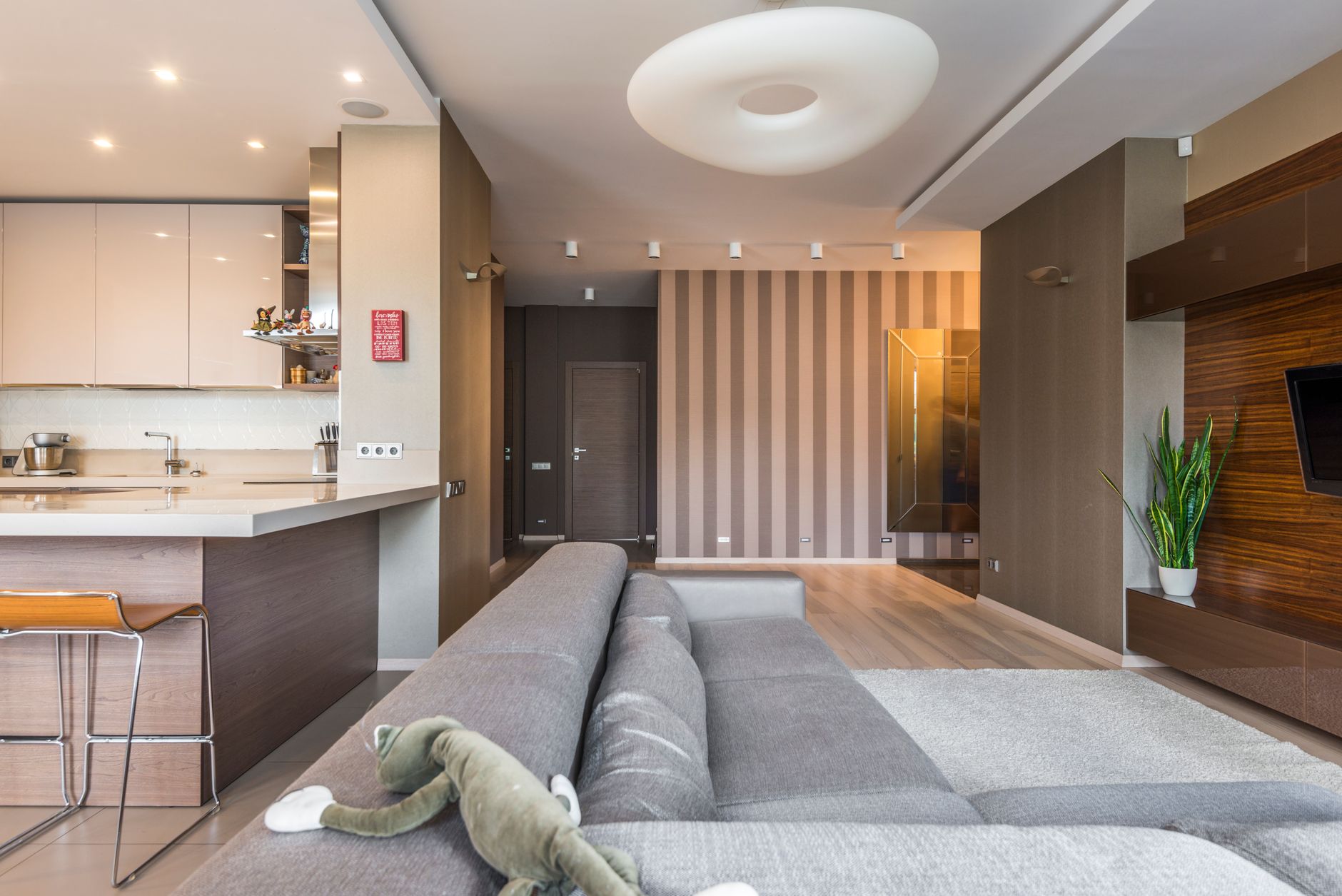
A new TikTok challenge promoting minimalist living and productivity hacks has gone viral, sparking a global movement among Gen Z to declutter, simplify, and boost daily efficiency.
Gen Z users worldwide are embracing minimalist living after a TikTok challenge urging decluttering and productivity hacks went viral in July 2026, according to social media analytics firm Sensor Tower.
The #MinimalistReset challenge, launched by influencer Ava Chen on July 10, 2026, has amassed over 500 million views in just two weeks. The trend encourages participants to remove excess possessions, streamline digital spaces, and adopt daily routines that maximize productivity.

Minimalism has long been a lifestyle choice for some, but the recent surge in popularity is directly tied to the viral challenge. According to The Verge, the hashtag #MinimalistReset trended globally within 48 hours of launch, with thousands sharing before-and-after videos of their transformed homes and workspaces.
Origins of the #MinimalistReset Challenge
Ava Chen, a 24-year-old content creator from San Francisco, started the challenge after documenting her own journey to reduce clutter and improve focus. Her initial video, posted on July 10, featured a step-by-step guide to decluttering, digital detoxing, and time-blocking for productivity.
Within hours, the video garnered millions of views, with users across the United States, Europe, and Asia replicating Chen's methods. According to TikTok's official blog, the challenge's appeal lies in its simplicity and the tangible results users can achieve in a short time.
Key Productivity Hacks Gaining Traction
Participants are adopting a range of productivity hacks, including the 'One-Touch Rule'—handling each item or task only once before putting it away or completing it. The Pomodoro Technique, which involves working in focused 25-minute intervals, has also seen a resurgence among challenge participants, according to productivity app Todoist.

Digital minimalism is another core theme. Users are deleting unused apps, organizing files, and setting strict screen time limits. Data from App Annie shows a 30% spike in downloads of digital decluttering tools since the challenge began.
Impact on Consumer Behavior and Retail
Retailers are noticing a decline in non-essential purchases, particularly in home décor and fashion. According to The Wall Street Journal, major brands like IKEA and H&M have reported a 15% drop in sales of decorative items and fast fashion since mid-July, attributing the dip to the viral minimalist trend.
Conversely, sales of storage solutions and organizational tools have surged. Target and The Container Store report a 22% increase in demand for minimalist storage bins, modular shelves, and label makers, as consumers seek to optimize their living spaces.
Mental Health and Wellbeing Benefits

Mental health professionals are weighing in on the trend. Dr. Priya Mehta, a psychologist at Stanford University, told NPR that decluttering can reduce anxiety and improve focus, especially for young adults navigating post-pandemic stressors.
A recent survey by the American Psychological Association found that 68% of Gen Z respondents participating in the challenge reported feeling less overwhelmed and more in control of their daily routines.
Criticism and Concerns
Despite its popularity, some experts caution against extreme minimalism. Consumer psychologist Dr. Mark Evans warns that for some, the pressure to declutter can trigger guilt or anxiety, especially if it leads to discarding items of sentimental value.
Environmental advocates also note that mass decluttering can contribute to waste if items are not properly recycled or donated. The Environmental Protection Agency (EPA) urges participants to consider sustainable disposal methods.
What’s Next for the Minimalist Movement?
Industry analysts predict that the minimalist trend will continue to shape consumer habits and digital behavior throughout 2026. Social media platforms are expected to see more challenges promoting intentional living, while brands may adapt by offering more sustainable and multifunctional products.
Ava Chen has announced plans to launch an online community for ongoing support and resources. Meanwhile, mental health experts encourage a balanced approach, emphasizing that minimalism should serve individual wellbeing, not social media trends.
Sources
Sensor Tower, The Verge, TikTok Blog, Todoist, App Annie, The Wall Street Journal, Target, The Container Store, NPR, American Psychological Association, EPA.Sources: Information sourced from Sensor Tower, The Verge, The Wall Street Journal, NPR, and official reports from the EPA and American Psychological Association.