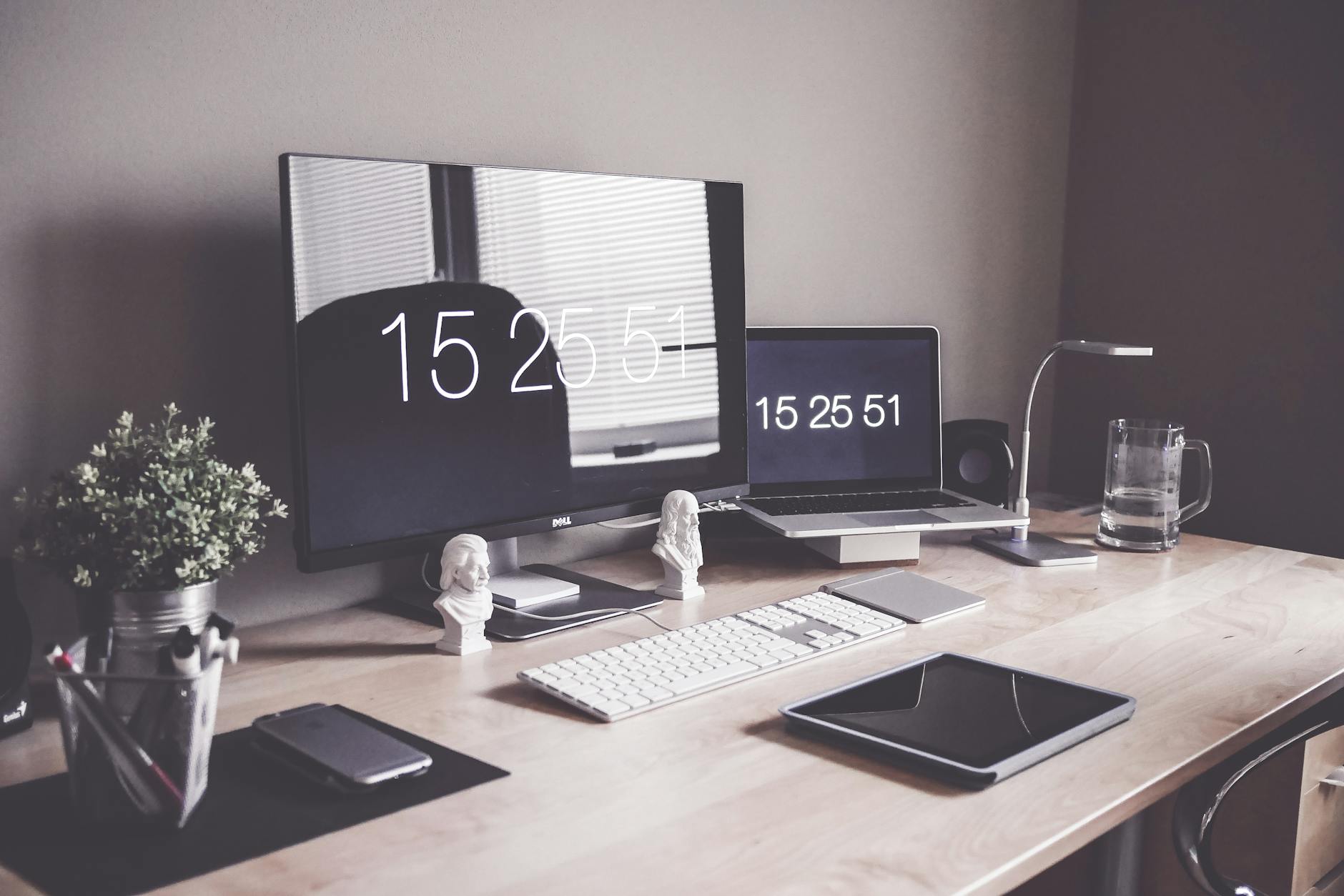
A new TikTok-driven minimalist living challenge is trending worldwide, inspiring millions to declutter, streamline routines, and adopt productivity hacks for a simpler, more focused lifestyle.
Millions worldwide are embracing a new minimalist living challenge that has gone viral on TikTok this March, prompting a surge in decluttering, digital detoxing, and productivity hacks among young adults and professionals.
The #30DayMinimalismChallenge, launched by popular TikTok creator Ava Lin (@AvaSimplifies) in late February, has amassed over 500 million views as of March 15, 2026, according to TikTok analytics. The challenge encourages participants to remove one item from their home or digital life each day for 30 days, sharing their progress with the hashtag.
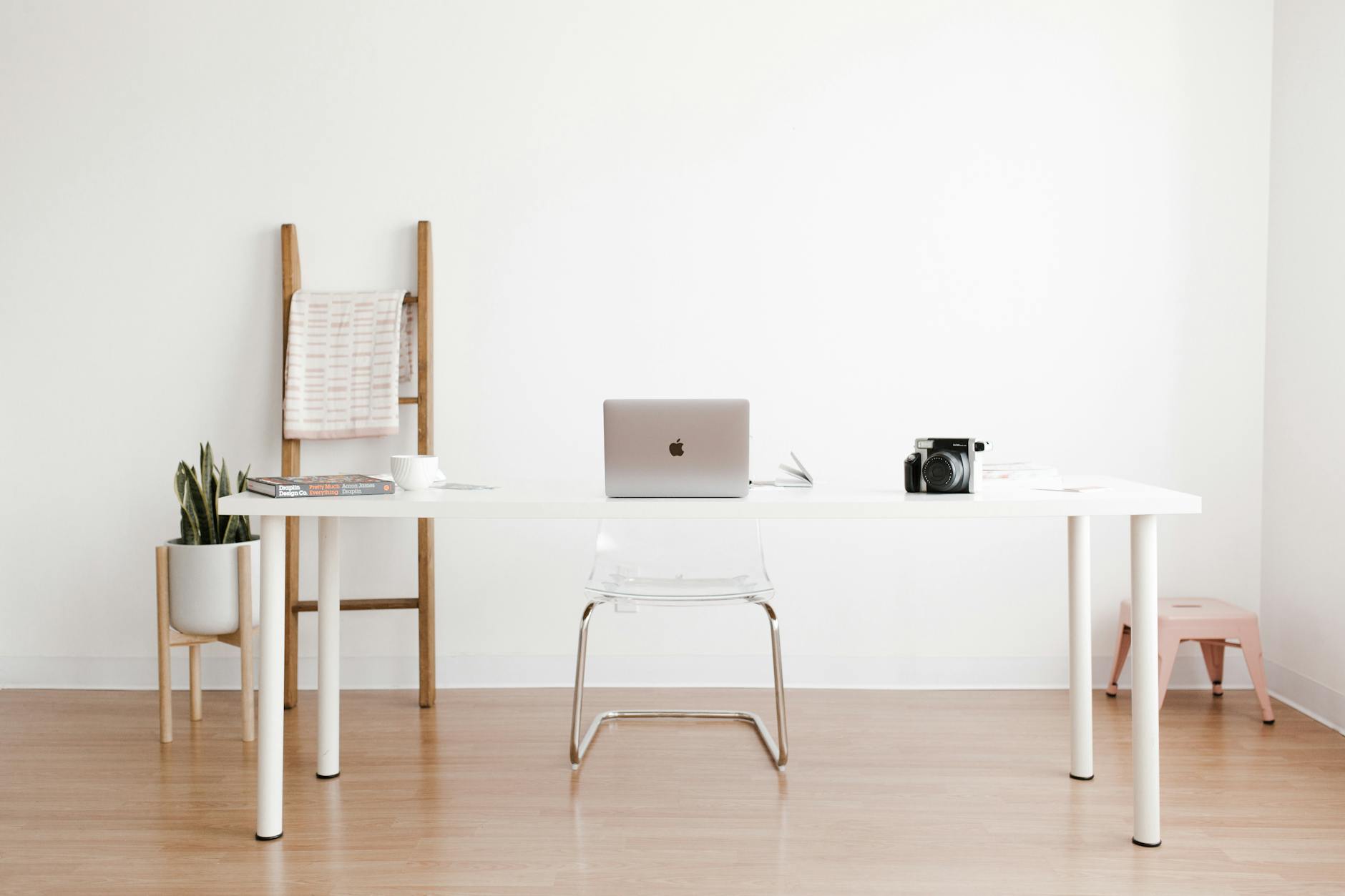
Minimalism, long associated with decluttering and intentional living, has seen periodic resurgences. However, this latest wave is unique in its integration with productivity hacks and digital minimalism, reflecting the growing influence of social media on lifestyle trends, as reported by The Guardian.
Origins of the Challenge
Ava Lin, a 27-year-old productivity coach from Toronto, started the challenge after noticing rising anxiety and burnout among her followers. In her launch video, Lin cited data from the American Psychological Association showing a 30% increase in stress levels among Gen Z and Millennials since 2024.
Lin's approach combines classic minimalist principles with modern productivity strategies, such as time-blocking, digital detoxing, and the 'two-minute rule.' She encourages followers to not only declutter physical spaces but also unsubscribe from unnecessary emails, delete unused apps, and streamline daily routines.
How the Challenge Works
Participants commit to eliminating one item per day—ranging from clothing and kitchen gadgets to redundant digital files. Each day, they post a short video or photo update, often sharing before-and-after shots and tips for maintaining focus and motivation.

The challenge's format, easily adaptable and visually engaging, has contributed to its virality. According to a report by Social Media Today, over 1.2 million unique users have posted content under #30DayMinimalismChallenge in the past two weeks.
Productivity Hacks at the Core
Beyond decluttering, the challenge emphasizes productivity hacks. Lin and other influencers suggest techniques like the Pomodoro Technique, habit stacking, and prioritizing tasks using the Eisenhower Matrix. These methods, according to Harvard Business Review, can increase daily productivity by up to 25%.
Digital minimalism is a key focus. Participants are encouraged to set screen time limits, mute non-essential notifications, and schedule regular 'phone-free' hours. Data from Statista shows a 40% increase in downloads of digital wellbeing apps since the challenge began.
Global Impact and Community Response
The challenge has resonated across demographics, with participants from over 60 countries. Major lifestyle influencers in Japan, Germany, and Brazil have joined in, translating the challenge into multiple languages and adapting it to local cultures.
Mental health professionals have praised the movement. Dr. Priya Nair, a psychologist interviewed by BBC News, notes that 'intentional decluttering and routine simplification can reduce anxiety and improve focus, especially in digital natives.'
Some critics warn of the potential for performative minimalism, where the focus shifts from genuine lifestyle change to social media validation. However, most experts agree that the challenge's emphasis on self-reflection and habit formation sets it apart from previous trends.
Economic and Environmental Effects

Resale and donation platforms have reported a surge in activity. According to data from ThredUp, listings of secondhand clothing and household items increased by 18% in the first two weeks of March. Charities such as Goodwill have seen a 25% uptick in donations.
Environmental groups have also highlighted the challenge's positive impact. The Minimalist Living Foundation estimates that over 200 tons of reusable goods have been diverted from landfills since the challenge began.
What’s Next for Minimalist Living?
Experts predict that the minimalist productivity movement will continue to grow. Several tech companies are reportedly developing new apps to support digital decluttering and habit tracking, as noted by TechCrunch.
Ava Lin has announced plans to expand the challenge into a year-long program, introducing monthly themes such as mindful consumption, sustainable living, and deep work. She will also partner with mental health organizations to offer free resources for participants.
As the #30DayMinimalismChallenge continues to trend, its blend of simplicity, productivity, and community support is shaping a new global conversation about what it means to live well in a hyper-connected world.
Sources
- TikTok Analytics
- The Guardian
- American Psychological Association
- Social Media Today
- Harvard Business Review
- Statista
- BBC News
- ThredUp
- Minimalist Living Foundation
- TechCrunch
Sources: Information sourced from TikTok Analytics, The Guardian, APA, BBC News, and TechCrunch reports.