A new TikTok trend sees Gen Z adopting digital minimalism, sparking global conversations on decluttering devices and boosting productivity. Experts weigh in on the movement’s impact and future.
Gen Z is leading a viral movement on TikTok in July 2026, championing digital minimalism to combat screen overload and boost productivity, according to The Guardian.
The trend, tagged #DigitalDeclutter, has amassed over 1.2 billion views in the past month, with users sharing tips on deleting unused apps, organizing devices, and setting strict screen time limits.

Experts say the movement is a response to rising digital fatigue, with a 2026 Pew Research Center study revealing that 68% of Gen Z report feeling overwhelmed by digital clutter.
Origins of the Digital Minimalism Trend
Digital minimalism, a philosophy popularized by author Cal Newport, emphasizes intentional technology use. The concept has gained renewed traction as young people seek to reclaim focus and mental well-being.
TikTok creators like @MinimalistMaya and @DeclutterDrew have gone viral by documenting week-long challenges to reduce digital distractions, inspiring millions to follow suit.
Key Productivity Hacks Shared Online
Popular hacks include the 'Inbox Zero' email method, daily device audits, and using grayscale mode to make screens less appealing, as reported by CNBC Tech.
Many users advocate for single-tasking apps, physical to-do lists, and scheduled 'digital detox' hours to separate work and leisure time.
Data Behind the Movement
According to a July 2026 Statista survey, 54% of respondents aged 18-24 have deleted at least five apps in the past month, citing productivity and mental health as primary motivators.
Screen time tracking apps report a 17% drop in average daily usage among Gen Z since the trend began, based on data from App Annie.
Expert Perspectives
Dr. Lisa Kim, a psychologist at NYU, told The New York Times that digital decluttering can reduce anxiety and improve sleep quality, especially for young adults prone to information overload.
Productivity coach Marcus Lee notes that minimalist digital practices can help individuals prioritize tasks and reduce procrastination, a common challenge in remote work and study environments.
Impact on Tech Companies
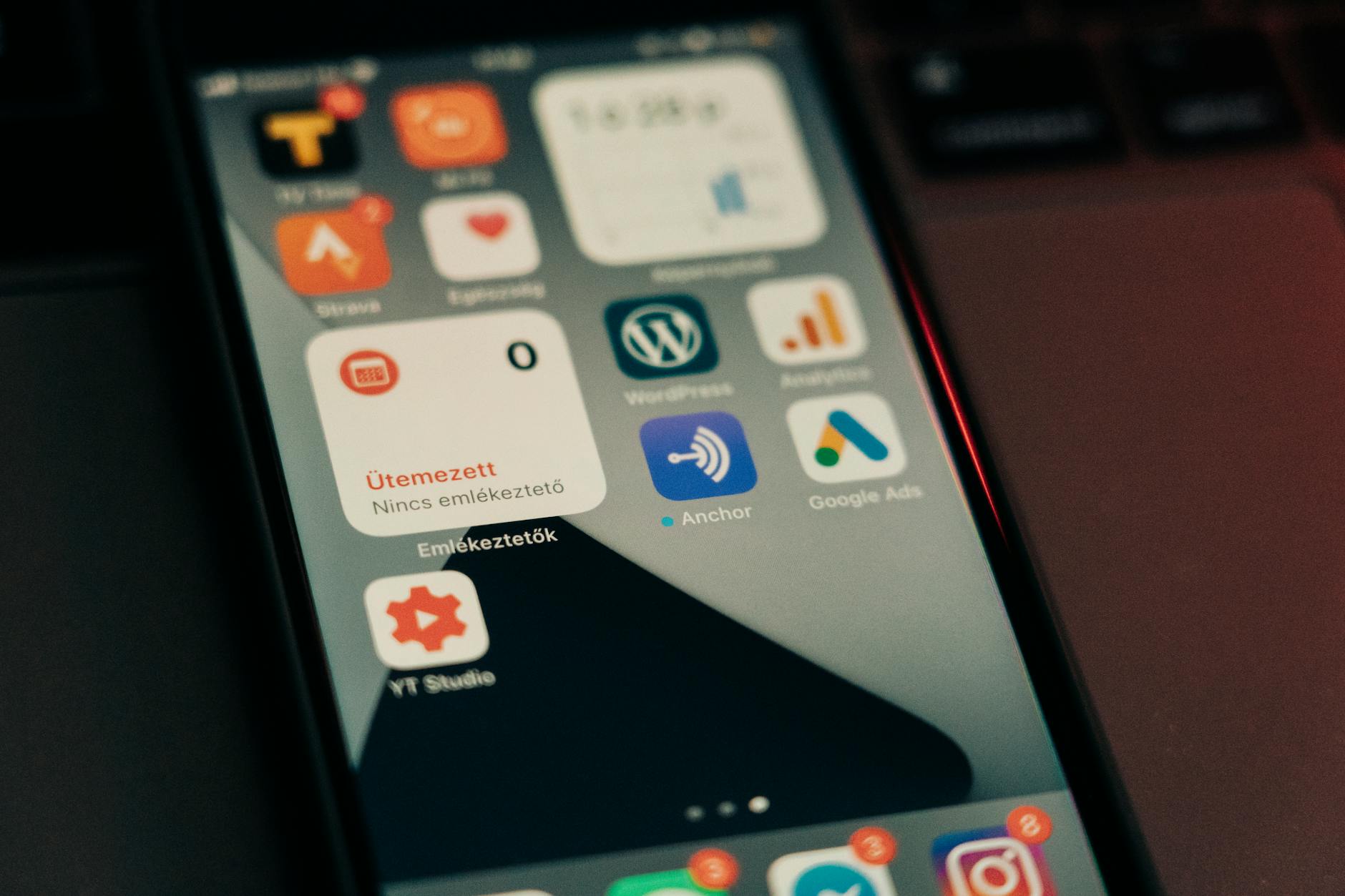
App developers are responding by offering streamlined, distraction-free interfaces and customizable notification settings. Apple and Google have both announced updates to their digital wellbeing tools.
Social media platforms face pressure to address addictive design features, with advocacy groups calling for more transparency and user control, as highlighted in a recent Wired report.
Global Reach and Cultural Shifts
The digital minimalism trend has spread beyond the US, with influencers in Japan, Germany, and Brazil sharing localized decluttering strategies, reflecting a global desire for healthier tech habits.
Workplaces and schools are also adopting digital minimalism workshops, aiming to foster focus and reduce burnout among employees and students.
Challenges and Criticisms
Critics argue that digital minimalism may not be accessible to everyone, especially those who rely on multiple apps for work or social connection. Some warn against oversimplifying complex tech habits.
Others caution that productivity hacks can become performative, creating pressure to constantly optimize rather than genuinely disconnect, as discussed in a July 2026 Vox analysis.
What’s Next for Digital Minimalism?
Experts predict the movement will continue to evolve, with more emphasis on sustainable tech use and digital literacy. New apps and tools designed for minimalists are expected to launch later this year.
Educators and mental health professionals are collaborating to develop curricula that teach digital boundaries and mindful technology use to younger generations.
Sources
Sources for this article include The Guardian, Pew Research Center, CNBC Tech, Statista, App Annie, The New York Times, Wired, and Vox.
Sources: Information sourced from The Guardian, Pew Research Center, CNBC Tech, Statista, App Annie, The New York Times, Wired, and Vox.