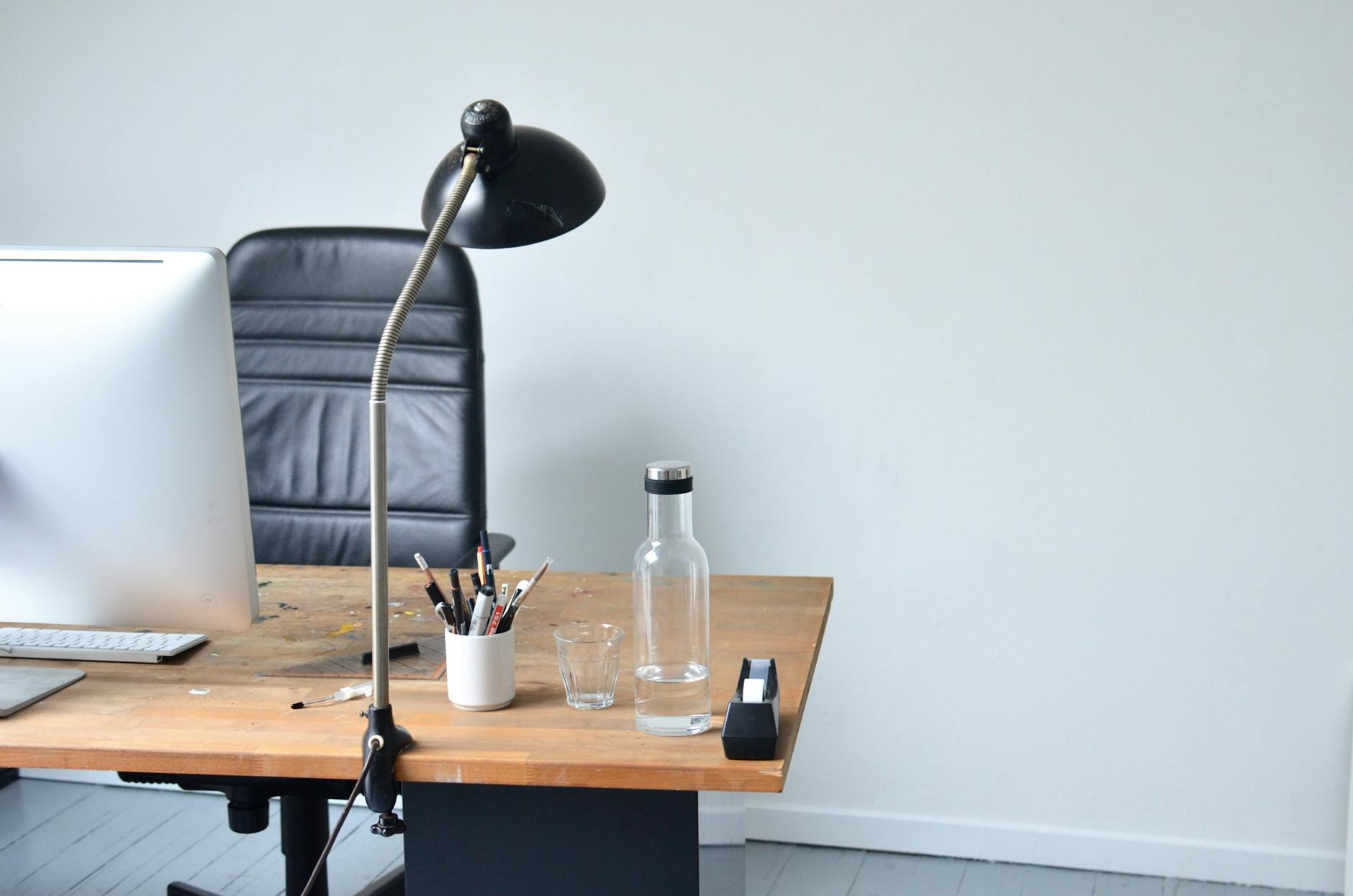
A wave of tech leaders in Silicon Valley are adopting minimalist lifestyles, citing productivity gains and mental clarity. This trend is reshaping workspaces, habits, and the tech industry's culture.
Silicon Valley executives and startup founders are rapidly adopting minimalist living as a productivity strategy, transforming homes, offices, and daily routines across the tech sector in 2026.
The minimalist movement has gained significant traction in recent months, with major tech companies in San Francisco and Palo Alto encouraging employees to declutter their workspaces and embrace simple living. According to a July 2026 Bloomberg report, firms like Meta, Google, and several unicorn startups are rolling out new policies and workshops centered on minimalist principles.
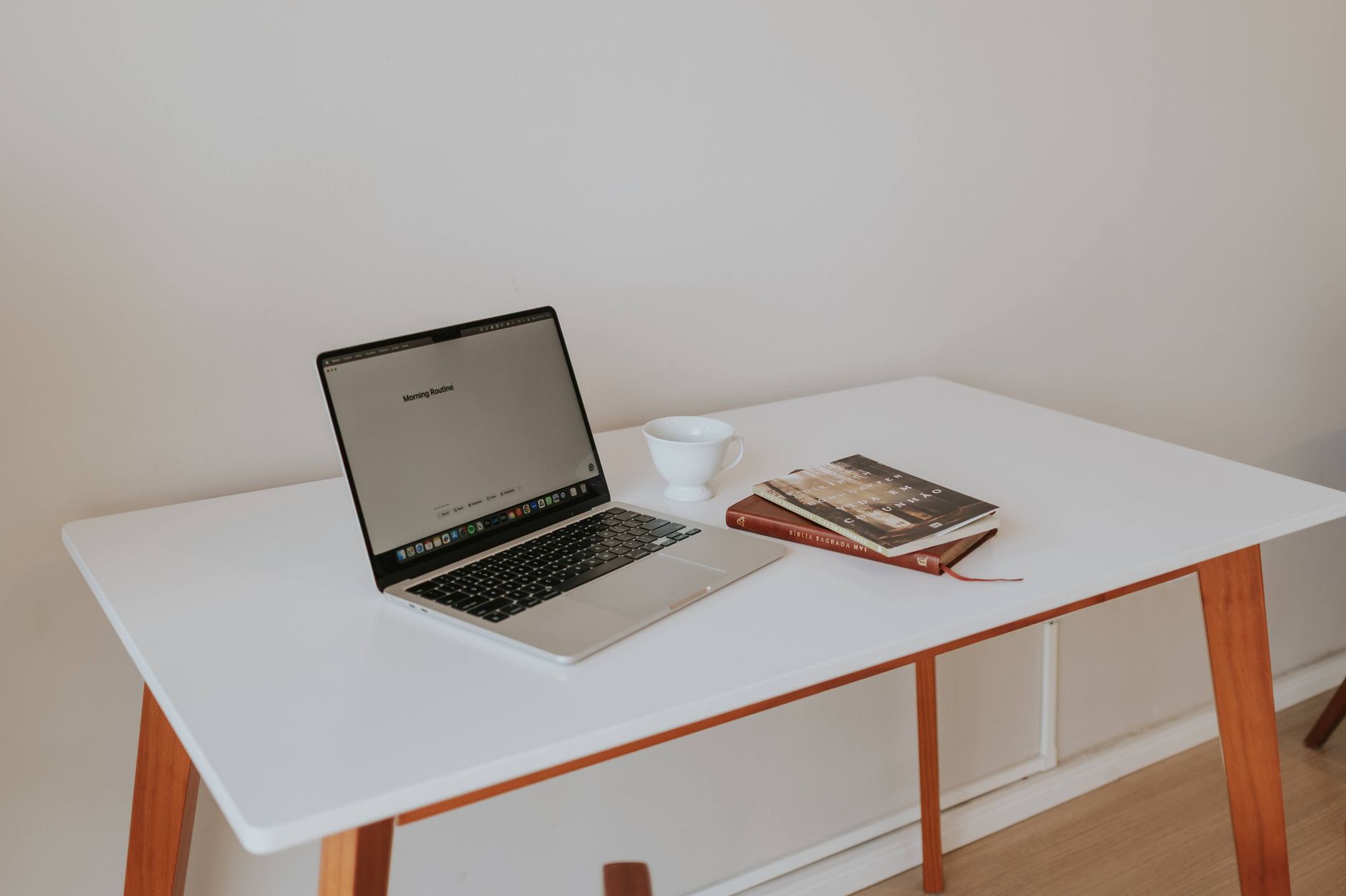
This trend is not only about aesthetics. Leaders claim that reducing physical and digital clutter leads to measurable productivity gains. A recent Stanford University study published in June 2026 found that employees who participated in minimalist workspace programs reported a 23% increase in task completion rates and a 17% drop in reported stress levels.
Origins of the Minimalist Productivity Trend
Minimalist living has roots in Japanese culture and Western decluttering philosophies, but its popularity in Silicon Valley surged after the pandemic. Remote work blurred boundaries between personal and professional spaces, prompting many to seek simplicity for mental clarity. As reported by The New York Times, the trend accelerated in 2025 when several high-profile tech CEOs publicly credited minimalism for their performance.
Jack Dorsey, former Twitter CEO, and Sundar Pichai of Google have both spoken about the benefits of reducing possessions and streamlining routines. Their endorsements, widely shared on social media, helped spark a wider movement among tech professionals, according to Wired magazine.
Key Elements of the Movement
Minimalism in Silicon Valley extends beyond clean desks. Companies are redesigning offices with neutral color palettes, modular furniture, and natural light. Digital minimalism is also emphasized, with employees encouraged to limit app usage, unsubscribe from unnecessary notifications, and adopt single-tasking habits. According to a June 2026 survey by Fast Company, 64% of Bay Area tech workers say their employers have introduced minimalist productivity initiatives this year.
Some startups have even hired 'minimalist consultants' to audit workflows and office layouts. These experts recommend removing redundant tools, digitizing paperwork, and establishing 'focus zones' free from distractions. The result, as reported by CNBC, is a noticeable uptick in employee satisfaction and output.
Productivity Hacks Gaining Popularity
Popular productivity hacks include the 'two-minute rule'—immediately completing any task that takes less than two minutes—and the 'one-touch rule,' which discourages revisiting emails or documents multiple times. Tech companies are integrating these principles into onboarding and training programs, with Meta reporting a 15% improvement in project delivery times since implementing minimalist workflows.
Digital detox hours, where employees are encouraged to disconnect from devices, have also become standard practice. According to The Wall Street Journal, Google’s Mountain View campus now features daily 'unplugged' periods, during which all notifications are silenced and meetings are discouraged.
Analysis: Why Minimalism Resonates Now
Experts say the push toward minimalist living is a response to the overwhelming digital noise and burnout experienced during the remote work era. Dr. Lisa Chang, a workplace psychologist at Stanford, told Reuters that 'reducing cognitive load through minimalism helps workers regain focus and motivation.'
The economic climate also plays a role. As tech companies face tighter budgets and increased competition, maximizing productivity without increasing costs is a top priority. Minimalist approaches offer a low-cost way to boost efficiency and employee well-being, according to The Economic Times.
Impact on Tech Industry Culture

The minimalist trend is reshaping Silicon Valley's famously high-pressure culture. Employees report feeling less overwhelmed and more creative. A June 2026 survey by Glassdoor found that 71% of tech workers participating in minimalist programs felt 'significantly more engaged' at work.
Startups are leveraging minimalist branding to attract talent, emphasizing work-life balance and mental health. Office tours now highlight serene, clutter-free environments and flexible work policies. According to Inc. magazine, job postings mentioning 'minimalist workspaces' have doubled since January 2026.
Challenges and Criticisms
Despite its popularity, the minimalist movement faces criticism. Some employees argue that enforced minimalism can feel restrictive or superficial. Critics warn that it may mask deeper issues like overwork or inadequate support, as noted by The Guardian in a July 2026 feature.
Others point out that not all roles or personalities thrive in sparse environments. Creative teams, for example, may prefer more stimulating spaces. Companies are responding by offering customizable workstations and voluntary participation in minimalist programs.
What’s Next for Minimalism in Tech?
Industry analysts predict that minimalist living and productivity hacks will continue to shape the tech sector. As AI-driven tools automate routine tasks, the focus on mindful work and intentional living is expected to grow. According to Deloitte’s 2026 Future of Work report, 78% of tech leaders plan to expand minimalist initiatives next year.
Experts also foresee the trend spreading beyond Silicon Valley, with financial firms and creative agencies in New York and London adopting similar practices. The minimalist movement, once a niche lifestyle choice, is becoming a mainstream productivity strategy for the modern workplace.
Sources
Information for this article was sourced from Bloomberg, The New York Times, Wired, Fast Company, CNBC, The Wall Street Journal, Reuters, The Economic Times, Glassdoor, Inc. magazine, The Guardian, and Deloitte’s 2026 Future of Work report.
Sources: Information sourced from Bloomberg, The New York Times, Wired, Fast Company, CNBC, The Wall Street Journal, Reuters, The Economic Times, Glassdoor, Inc. magazine, The Guardian, and Deloitte reports.