
Fresh disclosures in the Wirecard scandal have surfaced, exposing deeper layers of fraud and implicating new figures as German and EU regulators intensify their investigation into the collapsed fintech giant.
Munich, July 22, 2026 — The Wirecard scandal, one of the largest corporate frauds in European history, has taken a dramatic turn this week as investigators uncovered new evidence implicating additional executives and international partners, according to reports from Reuters and the Financial Times.
Wirecard, once hailed as Germany’s fintech champion, collapsed in June 2020 after admitting that €1.9 billion in cash was missing from its accounts. Since then, German prosecutors and EU regulators have been conducting an extensive investigation into the company’s financial practices, leadership, and global network.
Background: The Rise and Fall of Wirecard
Wirecard AG was founded in 1999 and grew rapidly, becoming a member of Germany’s prestigious DAX 30 index. The company specialized in payment processing and financial services, boasting clients across the globe. Its meteoric rise, however, was shadowed by persistent rumors of accounting irregularities, which were repeatedly denied by Wirecard’s leadership.Concerns over Wirecard’s accounting first gained international attention in 2015, when the Financial Times published a series of investigative reports. Despite mounting evidence, German regulators initially defended the company, even launching investigations into short sellers and journalists rather than Wirecard itself.
Discovery of Fraud and Immediate Aftermath
In June 2020, Wirecard’s CEO Markus Braun resigned after auditors from Ernst & Young refused to sign off on the company’s annual accounts. The company then admitted that €1.9 billion supposedly held in trustee accounts in the Philippines did not exist. Wirecard filed for insolvency days later, wiping out billions in shareholder value.The scandal sent shockwaves through the European financial sector. German Chancellor Angela Merkel and then-Finance Minister Olaf Scholz faced criticism for regulatory lapses. BaFin, Germany’s financial watchdog, was accused of failing to act on red flags, as reported by The Wall Street Journal.
New Evidence and Ongoing Investigations
In July 2026, prosecutors revealed new evidence obtained from encrypted communications and offshore banking records. According to Der Spiegel, these documents suggest that Wirecard executives orchestrated a complex web of shell companies and fake transactions to inflate revenues and conceal losses.Investigators have identified at least three new high-ranking individuals who allegedly played key roles in the fraud. Authorities are now working with Europol and Interpol to track down suspects believed to be hiding in Southeast Asia and the Middle East.

International Ramifications
The Wirecard scandal has had global repercussions. Several banks in Singapore, Dubai, and the Philippines are under scrutiny for their involvement in facilitating questionable transfers. The Monetary Authority of Singapore has frozen multiple accounts linked to Wirecard, according to Bloomberg.The European Union has responded by tightening regulations on fintech companies and increasing oversight of cross-border financial transactions. The European Securities and Markets Authority (ESMA) has issued new guidelines for auditors and payment processors, aiming to prevent similar frauds in the future.
Legal Proceedings and Arrests
Markus Braun remains in custody in Germany, facing charges of fraud, embezzlement, and market manipulation. Jan Marsalek, the former COO, remains at large, with Interpol issuing a red notice for his arrest. Several other former executives are currently on trial in Munich.Prosecutors have expanded their investigation to include consulting firms and auditors who worked with Wirecard. Ernst & Young, Wirecard’s longtime auditor, is facing multiple lawsuits from investors and regulatory bodies for allegedly failing to detect the fraud.
Impact on Investors and the Financial Sector
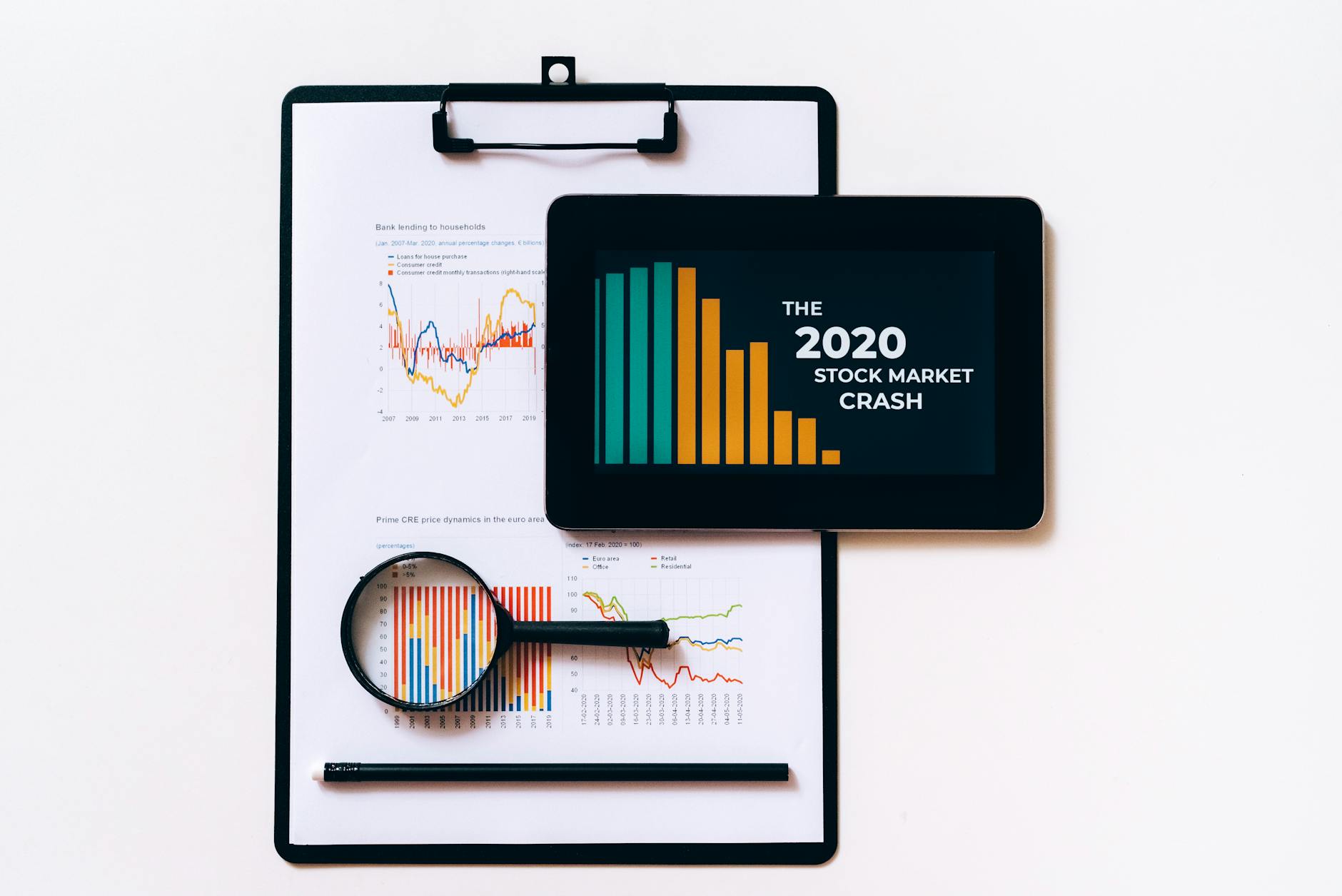
The collapse of Wirecard resulted in estimated losses of over €20 billion for investors, according to data from Bloomberg. Many pension funds and retail investors were heavily exposed to Wirecard stock, leading to widespread calls for compensation and stricter investor protections.The scandal has also damaged Germany’s reputation as a safe destination for fintech investment. The government has launched a series of reforms to restore confidence in its regulatory framework, including the creation of a new independent auditing oversight body.
Analysis: How the Fraud Went Undetected
Experts say Wirecard’s fraud went undetected for years due to a combination of weak regulatory oversight, aggressive legal tactics against critics, and a culture of secrecy within the company. According to The Economist, whistleblowers were often ignored or silenced, and key financial data was routed through opaque offshore entities.Forensic accountants now believe that Wirecard’s fraudulent activities may have begun as early as 2010, with the scale of deception growing as the company expanded. The use of complex international networks made it difficult for auditors and regulators to trace the true flow of funds.
What's Next: Reforms and Future Prosecutions
As the investigation continues, German and EU authorities are expected to announce further regulatory reforms. The Bundestag is considering legislation that would increase penalties for corporate fraud and enhance whistleblower protections.Legal experts predict more indictments and extradition requests in the coming months. The ongoing trials in Munich are expected to set important precedents for corporate accountability in Europe.
The Wirecard case remains a cautionary tale for investors, regulators, and fintech firms worldwide. As new revelations emerge, the scandal continues to shape the future of financial oversight and corporate governance.
Sources: Reuters, Financial Times, The Wall Street Journal, Der Spiegel, Bloomberg, The Economist.
Sources: Information sourced from Reuters, Financial Times, The Wall Street Journal, Der Spiegel, Bloomberg, and The Economist.