
Fresh evidence and international investigations have reignited scrutiny of the Wirecard scandal, exposing new details about the massive corporate fraud and its global financial repercussions.
Munich, March 26, 2026 — German prosecutors and international regulators have uncovered new evidence in the Wirecard scandal, one of the largest corporate fraud cases in recent history, reigniting global attention on the embattled fintech giant and its former executives.
The Wirecard saga began in June 2020, when the company, once hailed as a fintech pioneer, admitted that €1.9 billion supposedly held in trustee accounts likely did not exist. This revelation led to the company's collapse, criminal charges, and a wave of regulatory reforms, according to reporting by Reuters.
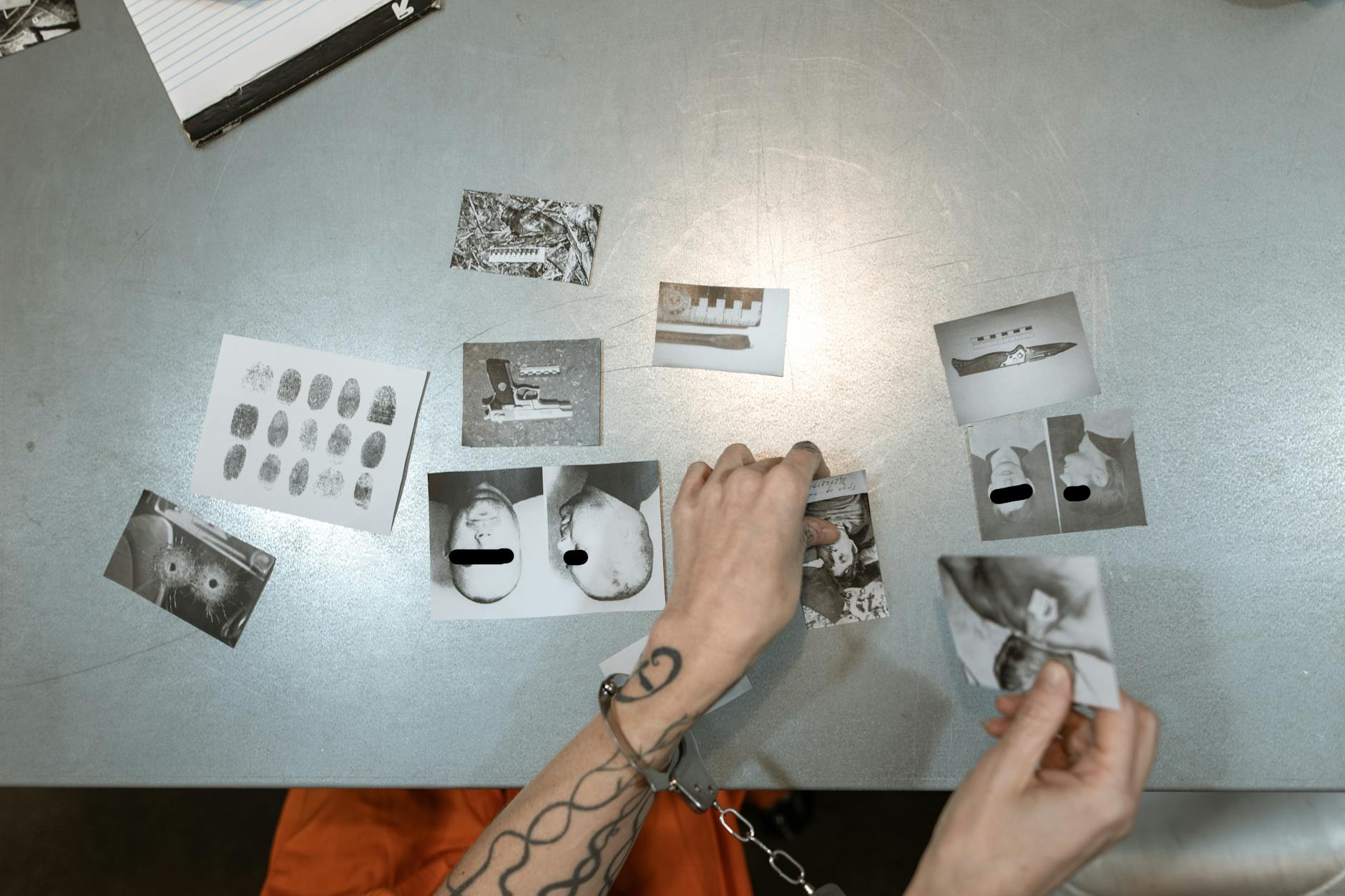
In the latest developments, prosecutors in Munich announced on Monday that they had obtained new digital correspondence and financial records from overseas partners, shedding light on the methods used to falsify Wirecard’s balance sheets and launder funds across multiple jurisdictions.
Background: The Rise and Fall of Wirecard
Founded in 1999, Wirecard grew rapidly, positioning itself as a leader in digital payments. By 2018, it was included in Germany’s prestigious DAX 30 stock index, with a market capitalization exceeding €24 billion, as reported by The Financial Times.
Despite its meteoric rise, Wirecard faced persistent allegations of accounting irregularities. Investigative journalists, notably from The Financial Times, published reports in 2019 detailing suspicious transactions and questionable acquisitions in Asia and the Middle East.
Regulators initially dismissed the warnings, but mounting evidence forced BaFin, Germany’s financial watchdog, to launch a formal investigation. The company’s CEO, Markus Braun, was arrested in June 2020, and Wirecard filed for insolvency days later.
Key Details of the New Investigation
The latest probe centers on newly recovered communications between Wirecard executives and third-party acquirers in Southeast Asia and the Middle East. According to prosecutors, these messages reveal a sophisticated network used to fabricate revenues and conceal losses.

Forensic accountants from KPMG, brought in as independent experts, have traced at least €500 million in fraudulent transactions routed through shell companies in Singapore and the Philippines, as detailed in their recent audit report.
Authorities have also identified several high-profile banking partners allegedly complicit in enabling suspicious transfers. The European Banking Authority is coordinating with regulators in Dubai and Manila to freeze assets and recover misappropriated funds.
International Ramifications
Wirecard’s collapse triggered a wave of financial instability, affecting investors, merchants, and consumers worldwide. The scandal prompted the European Union to strengthen oversight of fintech firms and cross-border payments, according to EU Commission statements.
In Germany, the Bundestag formed a parliamentary inquiry, leading to reforms in financial supervision and stricter auditing standards. BaFin’s leadership was overhauled, and new whistleblower protections were enacted.
Analysis: How the Fraud Unfolded
Investigators now believe that Wirecard’s core business was far smaller than reported. The majority of its profits were allegedly fabricated through a network of third-party acquirers, with executives forging documents and misleading auditors, as outlined by The Wall Street Journal.
The scandal has exposed significant gaps in global financial oversight. Experts from the OECD have called for greater international cooperation to prevent similar cases, noting that complex cross-border structures often hinder timely detection of fraud.
Impact on Stakeholders

Tens of thousands of investors lost billions of euros. Major banks and payment processors faced legal challenges for their role in facilitating Wirecard’s operations. Former employees continue to seek compensation through class-action lawsuits.
Regulatory agencies worldwide are reviewing their fintech licensing and supervision frameworks. The scandal has become a case study in business schools and a cautionary tale for the global financial industry.
What’s Next: Ongoing Trials and Reforms
The criminal trial of Markus Braun and other former Wirecard executives resumed this week in Munich, with prosecutors presenting new evidence from the latest investigation. The court is expected to deliver its verdict later this year.
Meanwhile, European lawmakers are preparing new legislation to enhance transparency and accountability in the fintech sector. The European Central Bank has announced plans to launch a centralized digital payments registry by 2027.
Financial experts say the Wirecard scandal will continue to shape global regulatory policy and corporate governance standards for years to come.
Sources
- Reuters
- The Financial Times
- The Wall Street Journal
- KPMG Audit Report
- European Commission
- OECD
Sources: Information sourced from Reuters, The Financial Times, The Wall Street Journal, KPMG Audit Report, European Commission, and OECD.